




























Menopause and HRT specialist in Nevada helping women with perimenopause and menopause symptoms Menopause and HRT care for women in Henderson NV

Menopause and Perimenopause Treatment

Are You Experiencing Menopause Symptoms?

Consult Dr. Deepali Kashyap, a trusted female menopause specialist and hormone doctor in Henderson, NV, if you are experiencing symptoms of perimenopause, menopause, or postmenopause such as:

  • Hot Flashes
  • Night Sweats
  • Irregular Periods
  • Sleep Problems
  • Mood Swings
  • Brain Fog
  • Weight Gain
  • Low Libido
  • Vaginal Dryness
  • Painful Intimacy
  • Fatigue
  • Urinary Changes
favorites

15+ Years

Women's Healthcare Experience

serv_user

5,000+

Patients Seen Annually

serv_user2

200+

In-Network Insurance Plans

Dr. Deepali Kashyap female hormone specialist and menopause specialist in Henderson NV

Dr. Deepali Kashyap

Certified Menopause Specialist

Female Hormone Specialist

Perimenopause, Menopause & HRT Specialist in Nevada

Dr. Deepali Kashyap

Dr. Deepali Kashyap is a trusted female hormone specialist and Menopause Society Certified Practitioner in Nevada, who helps women to navigate perimenopause, menopause, and postmenopause with personalized, evidence-based care. After a detailed consultation, she reviews your symptoms, hormone changes, health history, uterus status, lifestyle, risk factors, comfort level, and treatment goals before recommending options such as HRT, BHRT guidance, vaginal hormone therapy, hormone pellet, or non-hormonal support when clinically appropriate.

Request for an Appointment

How Your Personalized Menopause
Treatment Plan Is Created

At Galleria Women’s Health, menopause care begins with understanding your stage of life, symptoms, health history, risk factors, and treatment goals. After a detailed consultation, Dr. Deepali Kashyap recommends the care path that fits you best, which may include lifestyle support, non-hormonal options, vaginal hormone therapy, HRT, BHRT guidance, or hormone pellet consultation when clinically appropriate.

01. Detailed Menopause Consultation

Your care begins with a focused consultation to understand where you are in the menopause journey and how symptoms are affecting your sleep, mood, energy, intimacy, weight, and daily comfort. Dr. Deepali Kashyap also reviews your medical history, cycle changes, bleeding pattern, medications, previous treatments, and personal concerns.

  • Menopause stage and symptom review
  • Perimenopause and postmenopause assessment
  • Bleeding pattern and uterus-status review
  • Lifestyle, medication, and health-history evaluation

02. Health Screening & Safety Review

Before recommending treatment, safety factors are reviewed carefully. This may include hormone-related concerns, metabolic health, bone health, breast-health screening needs, cardiovascular risk, clot history, medications, and other health factors that may affect which treatment options are suitable.

  • Hormone and metabolic lab review when appropriate
  • Bone health and breast-screening guidance
  • Cardiovascular and clot-risk review
  • Medication tolerance and safety assessment

03. Personalized Treatment Options

After consultation and review, Dr. Deepali Kashyap discusses treatment options based on your symptoms, comfort level, safety profile, and goals. Your plan may include HRT, BHRT guidance, vaginal hormone therapy, hormone pellet consultation, non-hormonal support, lifestyle medicine, or sexual wellness support when clinically appropriate.

  • HRT or BHRT guidance when suitable
  • Vaginal hormone therapy for local symptoms
  • Hormone pellet consultation when appropriate
  • Non-hormonal and lifestyle support options

04. Follow-Up Care & Plan Adjustment

Menopause treatment may need adjustment as symptoms change or your body responds to care. Follow-up visits help track progress, review side effects, update medication needs, and refine the plan for comfort, safety, and long-term wellness.

  • Follow-up menopause visits
  • Symptom-response and side-effect review
  • Medication or dose adjustments when needed
  • Long-term women’s health support

We Accept Major Insurance Plans*

Galleria Women’s Health accepts most major insurance plans for eligible menopause care, HRT consultations, hormone therapy follow-ups, and women’s health visits in Henderson and Las Vegas, Nevada.

View Accepted Insurance

*Coverage varies by plan and service. Some tests, scans, procedures, medications, or treatments may require prior authorization.

Menopause Treatment Questions: Find Answers to Your Concerns

From choosing between hormone therapy formulations to managing side effects, understanding treatment risks, and planning long-term care, explore answers to specific questions women ask when considering or receiving menopause treatment.

Treatment & Personal Care Decisions

1. Estrogen Therapy: Patches, Pills, Gels & Other Options

Is an estrogen patch better than estrogen pills for menopause treatment?

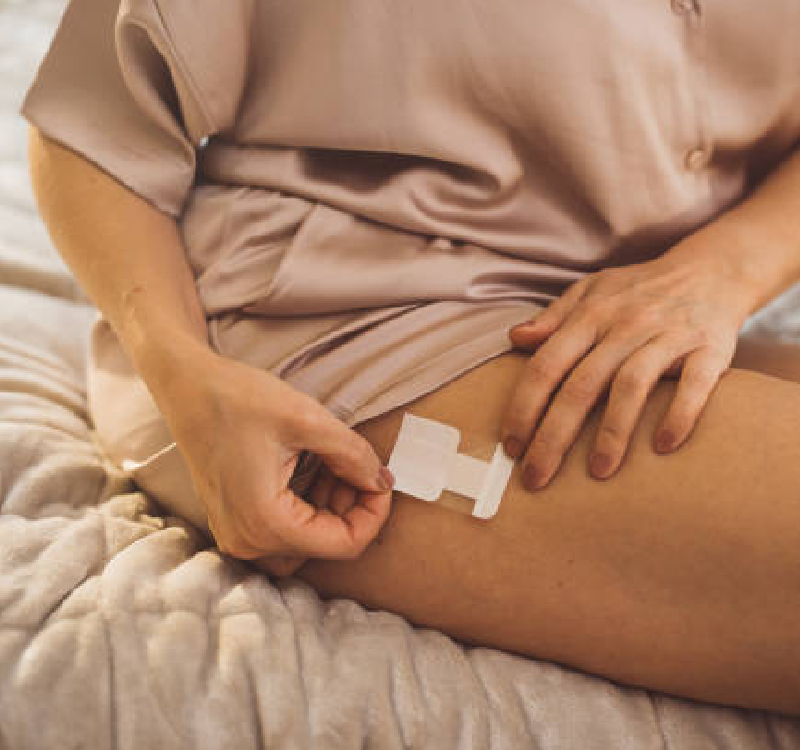
Both can relieve hot flashes and night sweats, but their risk profiles differ. Transdermal estrogen, delivered through patches, gels, or sprays, avoids first-pass processing in the liver and may have a lower risk of blood clots than oral estrogen. The appropriate formulation depends on medical history, cardiovascular risk factors, convenience, and individual preferences.

What should I do if my estrogen patch keeps falling off or irritates my skin?

Apply the patch to clean, dry skin according to the product instructions, avoiding lotions and irritated areas. Rotating application sites may reduce skin reactions. Some patches have specific placement and replacement requirements. If adhesion problems or irritation continue, ask your clinician whether another patch formulation, estrogen gel, or spray would be more suitable.

Can I switch from oral estrogen to an estrogen patch without stopping treatment?

Switching between oral and transdermal estrogen is possible under medical supervision. However, the doses are not directly interchangeable, and the appropriate starting dose depends on your current medication, symptoms, and health risks. Your clinician can plan the transition and review whether your progesterone regimen or other medications require adjustment.

Do estrogen patches, gels, and sprays work equally well for hot flashes?

All three can effectively treat menopausal hot flashes when prescribed at appropriate doses. Differences include application method, absorption, skin sensitivity, and convenience. Individual responses vary, so a formulation that works well for one woman may not suit another. Treatment selection should consider symptom control, medical history, and correct product use.


Treatment & Personal Care Decisions

2. Progesterone & Endometrial Protection During HRT

Do I need progesterone if I've had a hysterectomy?

Women who have had their uterus completely removed generally do not need progesterone solely for endometrial protection when using systemic estrogen. However, circumstances such as a subtotal hysterectomy, residual endometrial tissue, or certain medical conditions may affect treatment decisions. Your surgical history should be reviewed before choosing an estrogen-only regimen.

What is the difference between taking progesterone daily and taking it for part of the month?

Continuous combined hormone therapy typically provides estrogen and progestogen regularly, while sequential regimens use a progestogen during part of the treatment cycle. Sequential treatment may produce predictable withdrawal bleeding, whereas continuous regimens aim for eventual absence of bleeding. The appropriate schedule depends on menopause stage, uterine status, bleeding history, and the medications prescribed.

Can I use progesterone cream instead of taking progesterone capsules?

Over-the-counter progesterone creams are not considered reliable substitutes for prescribed endometrial protection during systemic estrogen therapy. Absorption and dosing may be inconsistent, potentially leaving the uterine lining inadequately protected. Women with a uterus should use an evidence-supported progestogen regimen selected by their clinician rather than independently substituting an unregulated cream.

Can a hormonal IUD provide endometrial protection while I'm taking estrogen?

Certain levonorgestrel-releasing intrauterine devices may provide endometrial protection alongside systemic estrogen, depending on the device, duration of use, and clinical guidance. Not every hormonal IUD is appropriate for this purpose. Your clinician should verify the specific product, replacement schedule, and whether its use with menopausal hormone therapy is off-label in the United States.

Treatment & Personal Care Decisions

3. HRT Side Effects & Treatment Adjustments

Why are my hot flashes returning even though I'm already taking HRT?

Recurring hot flashes may reflect changes in symptom patterns, inconsistent medication use, absorption problems, or a regimen that needs reassessment. Other causes of flushing or sweating may also need consideration. Rather than increasing estrogen independently, review your symptoms, medication schedule, and possible contributing conditions with your prescribing clinician.

Why do I need progesterone if I'm already taking an estrogen patch?

Women who have a uterus generally need an appropriate progestogen alongside systemic estrogen to help protect the uterine lining from excessive growth and endometrial cancer. An estrogen patch alone does not provide this protection. The type and schedule of progesterone depend on the treatment regimen and individual circumstances. Women without a uterus may not need it.

Can hormone therapy cause breast tenderness, bloating, or headaches?

Breast tenderness, bloating, nausea, and headaches may occur after starting or adjusting menopausal hormone therapy. These effects sometimes improve as treatment continues, but persistent or worsening symptoms should be reviewed. The medication type, dose, administration route, and individual medical history can influence tolerability and whether changes are appropriate.

What should I do if I accidentally miss a dose of estrogen or progesterone?

The correct response depends on the medication and how long ago the dose was missed. Follow the product's instructions or contact your pharmacist or prescribing clinician. Do not automatically double the next dose. Missing progesterone repeatedly can be particularly important for women using systemic estrogen who require protection of the uterine lining.

Can I lower my HRT dose once my hot flashes improve?

Some women can maintain symptom control with a lower dose, while others experience recurrent symptoms after reducing treatment. Decisions should account for your current symptoms, medical history, treatment benefits, and risks. Hormone therapy is generally individualized to an effective dose, with periodic reassessment rather than automatic dose reduction after a fixed period.

Treatment & Personal Care Decisions

4. Bioidentical Hormones, Compounded Treatments & Pellets

Are FDA-approved bioidentical hormones different from compounded bioidentical hormones?

Yes. FDA-approved products containing hormones such as estradiol or micronized progesterone have undergone regulatory review for quality, effectiveness, and safety. Compounded preparations are customized by pharmacies but are not FDA-approved and may have greater variability in dosage or absorption. Being described as bioidentical does not establish that a product is safer or more effective.

Are hormone pellets better than estrogen patches or pills?

There is insufficient high-quality evidence that compounded hormone pellets provide superior menopause symptom relief or safety compared with FDA-approved hormone treatments. Pellets can also be difficult to adjust or remove once inserted. Women considering pellet therapy should discuss dosing, potential adverse effects, monitoring limitations, and regulated treatment alternatives before making a decision.

Can saliva hormone testing determine the correct dose of compounded HRT?

Salivary hormone levels are not considered a reliable basis for adjusting menopausal hormone therapy because results can vary considerably and may not correlate with symptoms or treatment needs. Clinical response, medical history, adverse effects, and relevant examinations generally guide treatment decisions. Specific laboratory testing may be appropriate for particular medical indications but is not routinely needed to individualize standard HRT dosing.

Can I switch from compounded hormone therapy to an FDA-approved treatment?

Many women can transition from compounded hormones to FDA-approved formulations, although the process depends on their current ingredients, doses, and route of administration. Compounded products may not have directly equivalent regulated doses. A clinician can review the existing prescription and plan an appropriate transition while monitoring symptom control and adverse effects.

Treatment & Personal Care Decisions

5. Menopause Treatment in Specific Medical Situations

Can I take menopausal hormone therapy if I've previously had a blood clot?

A personal history of deep vein thrombosis or pulmonary embolism is an important safety consideration and often makes systemic menopausal hormone therapy unsuitable. Risks vary with the underlying cause and treatment route, but transdermal estrogen is not automatically safe for everyone with a prior clot. Individualized specialist assessment is essential before considering systemic hormones.

Can I use HRT if I have high blood pressure?

Well-controlled hypertension does not automatically exclude menopausal hormone therapy. However, uncontrolled blood pressure and other cardiovascular risk factors require assessment before treatment. Transdermal estrogen may be preferred in some circumstances. A clinician should consider blood pressure control, cardiovascular history, medication use, and individual treatment goals.

What menopause treatment options are available after surgical removal of both ovaries?

Removal of both ovaries before natural menopause causes an abrupt decline in ovarian hormones and may produce sudden menopausal symptoms. In women without contraindications, systemic estrogen therapy is often recommended after premenopausal bilateral oophorectomy, generally until around the average age of natural menopause. Whether a progestogen is required depends primarily on whether the uterus remains.

Can women with endometriosis take hormone therapy after menopause?

Menopausal hormone therapy may be considered for some women with a history of endometriosis, but the regimen requires particular care. Residual endometriosis may respond to estrogen exposure, and estrogen-only treatment can be problematic even after hysterectomy in certain cases. Decisions should consider previous surgery, disease severity, remaining symptoms, and specialist recommendations.

Treatment & Personal Care Decisions

6. Long-Term HRT Management & Life After Treatment

Do I need to stop HRT before surgery?

Not necessarily. Recommendations depend on the type of surgery, expected mobility afterward, blood-clot risk, and whether estrogen is taken orally or transdermally. Some patients undergoing major surgery may need changes to oral estrogen therapy, while others can continue treatment. Discuss all hormone medications with your surgical and prescribing teams before the procedure.

Can I continue using vaginal estrogen if I stop systemic HRT?

Yes, if clinically appropriate. Low-dose vaginal estrogen primarily treats local vaginal and urinary symptoms and can often be continued independently of systemic menopausal hormone therapy. Its dosing, contraindications, and follow-up considerations differ from those of systemic estrogen. Women with a history of estrogen-sensitive cancer should discuss treatment with their clinicians before use.

What happens if I stop hormone replacement therapy suddenly instead of tapering?

Stopping systemic hormone therapy may lead to the return of hot flashes, night sweats, or sleep disturbances. Evidence has not consistently shown that gradual tapering prevents symptom recurrence better than stopping immediately. Some women prefer a gradual reduction for comfort. The approach should consider symptom severity, medical risks, and why treatment is being discontinued.

Can I restart menopause hormone therapy after stopping it for several years?

Restarting may be possible, but the decision requires a fresh evaluation rather than simply resuming the previous prescription. Age, time since menopause, cardiovascular risk, clotting history, and current symptoms can change the treatment's benefit-risk balance. Women considering restarting systemic HRT should discuss whether hormonal or non-hormonal treatment is now more appropriate.

Menopause Symptoms We Treat

What Our Menopause Specialist Can Help You Manage

Perimenopause, menopause, and postmenopause can affect sleep, mood, metabolism, intimacy, energy, and daily comfort. At Galleria Women’s Health, Dr. Deepali Kashyap evaluates your symptoms, health history, hormone changes, risk factors, and goals before recommending personalized treatment options.

Hot flashes and night sweats menopause symptom icon

Hot Flashes & Night Sweats

  • Sudden heat waves
  • Excessive sweating
  • Nighttime waking
Weight gain and metabolism changes during menopause icon

Weight Gain & Metabolism Changes

  • Belly weight gain
  • Slower metabolism
  • Cravings and fatigue
Brain fog and fatigue menopause symptom icon

Brain Fog & Fatigue

  • Poor focus
  • Forgetfulness
  • Low energy
Mood swings and anxiety during menopause icon

Mood Swings & Anxiety

  • Irritability
  • Anxiety
  • Emotional changes
Sleep problems during menopause icon

Sleep Problems

  • Trouble falling asleep
  • Waking at night
  • Poor-quality rest
Hair loss and skin changes during menopause icon

Hair Loss & Skin Changes

  • Hair thinning
  • Dry skin
  • Aging-related changes
Vaginal dryness and painful intimacy menopause symptom icon

Vaginal Dryness & Painful Intimacy

  • Dryness
  • Burning or discomfort
  • Painful sex
Low libido and sexual wellness menopause symptom icon

Low Libido & Sexual Wellness

  • Reduced desire
  • Arousal changes
  • Intimacy concerns
Irregular periods and heavy bleeding perimenopause symptom icon

Irregular Periods & Heavy Bleeding

  • Skipped periods
  • Heavy flow
  • Cycle changes
Urinary changes during menopause icon

Urinary Changes

  • Urgency
  • Leakage
  • Frequent urination

WHAT TO EXPECT FROM YOUR
MENOPAUSE CONSULTATION

Your menopause consultation is designed to understand what stage you are in, what symptoms are affecting your daily life, and which treatment options are safe and suitable for you. Dr. Deepali Kashyap reviews your symptoms, health history, hormone changes, risk factors, lifestyle, and goals before recommending a personalized care plan.

  • Detailed menopause symptom review
  • Perimenopause, menopause, or postmenopause assessment
  • Health history, risk-factor, and medication review
  • Lab review or testing recommendations when needed
  • HRT, BHRT, or non-hormonal treatment discussion when appropriate
  • Vaginal, urinary, and sexual wellness support options
  • Lifestyle, nutrition, sleep, and metabolic health guidance
  • Follow-up planning for monitoring, adjustment, and long-term care

Need Support Beyond
Menopause Symptom Relief?

Explore Functional Medicine care for hormone, thyroid, gut, stress, sleep, metabolism, and inflammation-related concerns that may affect how you feel during midlife.

Request an Appointment

How We Help You Choose the
Right Menopause Treatment

01

Our Personalized Approach to Menopause Care

At Galleria Women’s Health, menopause treatment is not based on one fixed plan. Dr. Deepali Kashyap reviews your symptoms, menopause stage, hormone changes, health history, risk factors, lifestyle, comfort level, and treatment goals before recommending the care path that fits you best.

Your plan may include lifestyle support, targeted supplements, non-hormonal treatment options, >HRT, BHRT guidance, local vaginal hormone therapy, or hormone pellet therapy when clinically appropriate.

Lifestyle & 6 Pillars of Health

Lifestyle care is often the foundation of menopause treatment because symptoms do not happen in isolation. Sleep, stress, nutrition, movement, metabolism, emotional health, and daily routines can all influence hot flashes, mood changes, weight shifts, fatigue, and overall comfort. Dr. Deepali Kashyap reviews how these areas show up in your life before adding lifestyle support to your menopause care plan.

What Your Lifestyle Plan May Include
  • Stress and nervous-system support — if stress, emotional overload, or racing thoughts are affecting sleep, mood, digestion, or hot flashes, your plan may include calming routines, breathwork, mindfulness, relaxation practices, or recovery strategies.
  • Nutrition and metabolic support — food habits are personalized around your symptoms, cravings, energy levels, blood sugar patterns, weight changes, inflammation, and hormone-related concerns.
  • Sleep and recovery planning — if night waking, night sweats, poor rest, caffeine, alcohol, or evening routines are affecting recovery, your plan may include practical changes to support a healthier sleep rhythm.
  • Movement and strength support — exercise guidance is shaped around your age, energy, bone health, muscle strength, metabolism, mobility, mood, and long-term healthy aging goals.
  • Long-term wellness planning — menopause care may also include support for heart health, bone health, metabolism, sexual wellness, emotional balance, and quality of life.
Expected Improvement May Include
  • Better daily energy and routine stability when sleep, nutrition, stress, and movement are better aligned.
  • Improved mood and stress resilience when nervous-system support and recovery practices are followed consistently.
  • Better weight and metabolic support when nutrition, strength, sleep, and blood sugar patterns are addressed together.
  • Stronger long-term wellness habits that support bone health, heart health, healthy aging, and overall quality of life.

Supplements & Herbal Support

Supplements and herbs are not added as a standard menopause package. Dr. Deepali Kashyap first looks at your symptoms, nutrition pattern, medications, lab findings, health history, hormone plan, and safety needs before deciding whether supplement support belongs in your care plan.

What Your Supplement Plan May Include
  • Sleep and relaxation support — if night waking, racing thoughts, poor-quality sleep, or stress-related sleep disruption is part of your concern, selected support may be considered based on your symptoms and safety profile.
  • Nutrient support — vitamins, minerals, or targeted nutrients may be recommended when fatigue, hair changes, mood concerns, bone health, metabolism, or lab findings suggest a possible nutritional gap.
  • Herbal menopause support — selected herbal options may be discussed for hot flashes, mood changes, sleep concerns, or hormone-transition symptoms when they are safe for your medical history and current medications.
  • Gut and inflammation support — digestive support, probiotics, omega-3s, or anti-inflammatory support may be considered when bloating, joint discomfort, gut symptoms, or inflammation patterns are present.
  • Medication and safety review — supplement choices are checked against your medications, hormone therapy, medical conditions, and risk factors so your plan stays safe and appropriate.
Expected Improvement May Include
  • Better sleep and relaxation support when the selected option fits your sleep pattern, stress response, and health profile.
  • Improved nutrient balance when deficiencies or nutritional gaps are contributing to fatigue, mood changes, hair concerns, or metabolic symptoms.
  • Better digestive or inflammation support when gut symptoms, bloating, or joint discomfort are part of the concern.
  • Safer supplement use because recommendations are selected around your medical history, medications, hormone plan, and treatment goals.

Non-Hormonal Treatments

Non-hormonal treatment can be a good option when hormone therapy is not suitable, not preferred, or not needed for every symptom. Dr. Deepali Kashyap looks at your symptom severity, medical history, risk factors, medication tolerance, lifestyle, comfort level, and treatment goals before recommending non-hormonal menopause support.

What Your Non-Hormonal Plan May Include
  • Hot flash and night sweat support — if temperature symptoms are affecting sleep, work, travel, exercise, or daily comfort, non-hormonal options may be considered based on your health profile and symptom pattern.
  • Sleep and mood support — when anxiety, irritability, low mood, night waking, or poor-quality sleep are present, your plan may include lifestyle strategies, stress support, medication review, or non-hormonal medical options when appropriate.
  • Weight and metabolic support — if weight changes, cravings, slower metabolism, or energy crashes are concerns, care may focus on nutrition, movement, insulin resistance, thyroid health, inflammation, sleep, and metabolic patterns.
  • Vaginal and urinary comfort options — non-hormonal moisturizers, lubricants, pelvic health support, or other local comfort strategies may be discussed for dryness, irritation, urinary urgency, leakage, or painful intimacy.
  • Whole-body functional support — thyroid, gut health, nutrient status, inflammation, blood sugar, stress, and lifestyle patterns may be reviewed when symptoms suggest a deeper body-wide pattern.
Expected Improvement May Include
  • Reduced hot flashes or night sweats when the selected non-hormonal approach fits your symptoms and safety needs.
  • Better sleep, mood, and daily comfort when stress, sleep rhythm, lifestyle, or medication-related factors are addressed.
  • Improved vaginal or urinary comfort when dryness, irritation, urgency, or painful intimacy are supported with suitable local options.
  • Better metabolic and weight support when nutrition, movement, sleep, blood sugar, inflammation, and hormone-related changes are addressed together.

02

Hormone Replacement Therapy in Nevada

Galleria Women’s Health is a trusted HRT clinic in Henderson, Nevada, providing personalized hormone treatment options for women navigating perimenopause, menopause, and postmenopause symptoms. Care is centered on your symptoms, comfort, health history, uterus status, risk factors, and treatment goals.

After a detailed review, Dr. Deepali Kashyap may discuss different hormone therapy options and help you understand which approach fits your body best. The goal is not to push one treatment, but to choose the safest and most appropriate option for concerns such as hot flashes, night sweats, sleep disruption, mood changes, vaginal dryness, painful intimacy, low libido, urinary discomfort, and quality-of-life changes.

HRT / Hormone Replacement Therapy

At Galleria Women’s Health, Dr. Deepali Kashyap provides personalized hormone replacement therapy for women experiencing perimenopause, menopause, or postmenopause symptoms that affect sleep, mood, energy, focus, intimacy, vaginal comfort, and overall quality of life.

As a female hormone specialist in Henderson, she begins by understanding your symptoms, menopause stage, uterus status, medical history, risk factors, lifestyle, medication tolerance, and treatment goals. Based on this review, your HRT plan is designed around what your body needs, what feels comfortable for you, and what is medically appropriate.

What Your HRT Plan May Include
  • Systemic HRT for whole-body symptoms — when hot flashes, night sweats, sleep disruption, mood changes, brain fog, fatigue, or daily discomfort are affecting your routine, systemic hormone therapy may be considered based on symptom severity, menopause stage, and safety profile.
  • Estrogen-only therapy — for women who do not have a uterus, estrogen-only therapy may be reviewed for whole-body menopause symptoms when it fits their medical history, risk factors, and treatment goals.
  • Estrogen + progesterone therapy — when estrogen therapy is appropriate and the uterus is still present, progesterone is usually added to help protect the uterine lining while supporting a safer hormone plan.
  • Flexible HRT delivery options — your plan may include oral tablets, skin patches, gels, sprays, or local vaginal creams depending on your symptoms, comfort, lifestyle, medical history, and whether treatment needs to support whole-body symptoms or vaginal and urinary concerns.
  • Follow-up and plan refinement — follow-up visits help track symptom relief, side effects, bleeding changes, medication tolerance, and overall comfort, so your HRT plan can be adjusted when needed.
  • Expected Improvement May Include
    • Fewer or less intense hot flashes — helping reduce interruptions during work, sleep, exercise, social situations, or daily routines.
    • Less disruptive night sweats — supporting fewer temperature-related awakenings and more restful sleep.
    • Improved sleep quality — especially when night sweats are the main reason for waking, which may support better daytime energy, focus, and mood.
    • Better daily comfort and quality of life — especially when whole-body menopause symptoms are better controlled through a medically supervised HRT plan.

BHRT / Bioidentical Hormone Replacement Therapy

BHRT can be confusing because the term is often used in different ways. At Galleria Women’s Health, Dr. Deepali Kashyap helps you understand what bioidentical hormone replacement therapy actually means, which options are FDA-approved, and when compounded hormone products need extra caution.

Your BHRT guidance is shaped around your symptoms, menopause stage, uterus status, health history, safety profile, previous hormone use, comfort level, and treatment goals. The focus is not on calling BHRT “better” or “more natural,” but on choosing the hormone approach that fits your body safely and appropriately.

What Your BHRT Guidance May Include
  • FDA-approved bioidentical hormone options — if your symptoms and safety profile support hormone therapy, Dr. Deepali Kashyap may review bioidentical estrogen or progesterone options that are FDA-approved and appropriate for your care goals.
  • Micronized progesterone planning — when progesterone is needed, the plan is shaped around your uterus status, bleeding history, sleep concerns, tolerance, and how progesterone fits into your overall hormone therapy.
  • Compounded hormone discussion — if you are considering compounded hormones or have used them before, Dr. Deepali Kashyap explains the differences, dosing concerns, monitoring needs, safety limitations, and available alternatives.
  • Route and dose selection — your BHRT guidance may include oral, transdermal, or local hormone options depending on your symptoms, comfort level, medical history, lifestyle, and treatment goals.
  • Follow-up and safety review — your response is monitored over time, including symptom relief, side effects, bleeding changes, dose tolerance, and whether the treatment still fits your body safely.
Expected Improvement May Include
  • Fewer hot flashes and night sweats — when estrogen-related symptoms respond to an appropriate hormone plan.
  • Improved sleep quality — especially when night sweats or hormone-related symptoms are disrupting rest.
  • Better daily comfort — when whole-body menopause symptoms are better controlled through a monitored plan.
  • Improved vaginal or urinary comfort — when local hormone support is appropriate for dryness, irritation, painful intimacy, or urinary discomfort.

Hormone Pellet

If you are considering hormone pellets for menopause or hormone-related symptoms, Dr. Deepali Kashyap first helps you understand whether this longer-acting delivery option actually fits your body, symptoms, and safety profile. Pellets are not treated as the default choice. They are reviewed only after looking at your menopause stage, previous hormone use, medical history, risk factors, dosing comfort, treatment goals, and the symptoms you want to improve.

For patients asking about hormone pellets in Henderson , the consultation focuses on making a clear, informed decision: whether pellets are suitable, what benefits are realistic, what side effects need monitoring, and whether another HRT route such as tablets, skin patches, gels, sprays, or local vaginal therapy may be a better fit.

What Your Hormone Pellet Consultation May Include
  • Personal suitability review — your symptoms, health history, menopause stage, risk factors, previous hormone response, and treatment goals are reviewed before pellet therapy is considered.
  • Comparison with other hormone options — pellets are discussed alongside tablets, skin patches, gels, sprays, and local vaginal options so you can understand which route fits your comfort, safety needs, and lifestyle.
  • Dose and safety discussion — Dr. Deepali Kashyap explains how pellet therapy works, how dosing is approached, what to expect after placement, and which side effects or concerns need follow-up.
  • Symptom-focused planning — the decision depends on what needs support, such as hot flashes, night sweats, sleep disruption, energy changes, libido concerns, or other hormone-related symptoms.
  • Follow-up monitoring — response, side effects, dose concerns, comfort, and overall treatment fit are reviewed over time so your hormone plan stays medically supervised.
Expected Improvement May Include
  • Better control of selected menopause symptoms — when the hormone used is appropriate for concerns such as hot flashes, night sweats, or sleep disruption.
  • More stable daily comfort — especially when hormone-related symptoms are affecting mood, energy, focus, or quality of life.
  • Support for selected sexual wellness concerns — only when symptoms, safety profile, and clinical review suggest hormone-based support is appropriate.

Local Vaginal Hormone Therapy

When symptoms are mainly vaginal or urinary, full-body HRT may not always be the right starting point. Local vaginal hormone therapy may be considered for women dealing with vaginal dryness, burning, irritation, painful intimacy, urinary urgency, urinary discomfort, or postmenopause vaginal tissue changes.

At Galleria Women’s Health, Dr. Deepali Kashyap reviews where your symptoms are happening, how long they have been present, whether intimacy or urinary comfort is affected, and whether local treatment may be more suitable than systemic hormone therapy. The goal is to support vaginal and urinary comfort with treatment focused directly on the area of concern.

What Your Local Vaginal Hormone Plan May Include
  • Vaginal estrogen options — creams, tablets, inserts, or rings may be reviewed when dryness, irritation, burning, painful intimacy, or urinary discomfort is related to menopause-related tissue changes.
  • Vaginal DHEA discussion — this may be considered for selected patients when vaginal dryness, discomfort, or intimacy concerns need local hormone-focused support.
  • Symptom-focused treatment selection — the option is chosen based on your comfort, symptom severity, medical history, preference, and whether the concern is mainly vaginal, urinary, or intimacy-related.
  • Sexual wellness support when relevant — if low libido, pain during intimacy, arousal changes, or loss of confidence is present, related factors such as vaginal tissue health, medications, sleep, mood, stress, and hormone patterns may also be reviewed.
  • Follow-up comfort review — dryness, irritation, urinary symptoms, intimacy discomfort, side effects, and overall response are reviewed over time so the plan can be adjusted when needed.
Testimonials

Patient Experiences and Success Stories

Faq

Frequently Asked Questions

  • What are the early signs that I might be entering menopause?

    Common indicators include irregular periods, hot flashes, night sweats, mood changes, sleep disturbances, and decreased libido. A consultation with Dr. Deepali Kashyap and targeted hormone testing confirm whether these symptoms are related to the menopausal transition.

  • How do I know which menopause treatment is right for me?

    Treatment decisions are based on a detailed clinical evaluation, laboratory testing, and discussion of individual goals. Dr. Deepali Kashyap tailors therapy, hormonal or non-hormonal, to each woman’s specific needs, ensuring both safety and effectiveness.

  • Are hormone therapies safe?

    Yes, when prescribed appropriately and monitored regularly. At Galleria Women’s Health, hormone therapy is guided by current international clinical standards, with ongoing follow-up and lab assessments to maintain safety and long-term wellness.

  • What non-hormonal options are available for symptom relief?

    Non-hormonal treatments include medications for mood and thermoregulation, sleep support, and vaginal laser or radiofrequency therapies. These are effective alternatives for women who cannot or choose not to use hormone therapy.

  • How long does it take to see improvement after starting treatment?

    Most women experience relief within a few weeks, though optimal results develop gradually over several months. Follow-up visits help fine-tune the treatment plan for maximum comfort and sustained benefits.

  • How often should I schedule follow-up visits?

    The first follow-up is typically scheduled three months after initiating therapy, with continued assessments every six to twelve months. These visits ensure stable hormone levels, effective symptom control, and overall health monitoring.