





























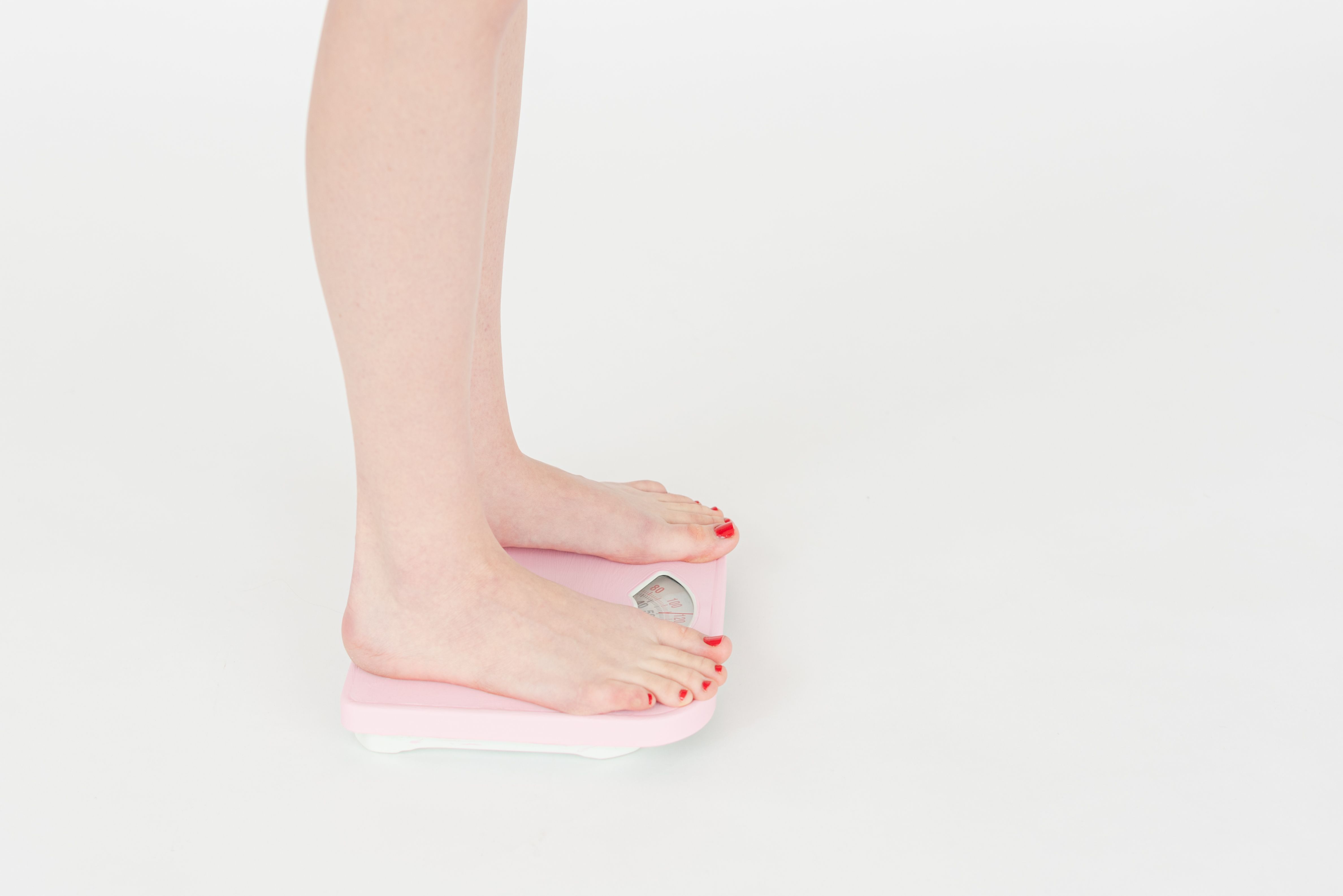
1. Stubborn Weight Gain & Weight-Loss Plateaus
Why am I not losing weight even though I'm eating less and exercising regularly?
Weight-loss plateaus can occur as your body weight, energy requirements, and activity patterns change. Sleep, medications, age-related muscle loss, and underlying medical conditions may also influence progress. Rather than repeatedly restricting calories, reviewing your nutrition, activity, body composition, and metabolic risk factors can help identify adjustments that are both appropriate and sustainable.
Why is my waist getting bigger even though the number on the scale hasn't changed?
Body composition can change without a noticeable difference in weight. A decrease in muscle mass alongside increased abdominal fat may affect waist measurements while total body weight remains relatively stable. Aging, menopause-related hormonal changes, and activity patterns can contribute. Tracking waist circumference, strength, and relevant health markers may provide more useful information than weight alone.
Why did my weight loss stop after the first few months of dieting?
Early weight loss often includes changes in water stores, while continued weight reduction becomes more difficult as energy requirements decrease. Changes in appetite, physical activity, and dietary consistency can also contribute. A plateau does not necessarily mean your metabolism is damaged. Reassessing your nutritional intake, strength training, sleep, and progress can help determine reasonable next steps.
Can I improve my body composition without trying to lose more weight?
Yes. Body recomposition focuses on building or maintaining muscle while reducing excess body fat, rather than pursuing a lower number on the scale. Resistance training, adequate protein, and appropriate energy intake can support this goal. Progress may be reflected in improved strength, waist measurements, and physical functioning even when overall body weight changes very little.