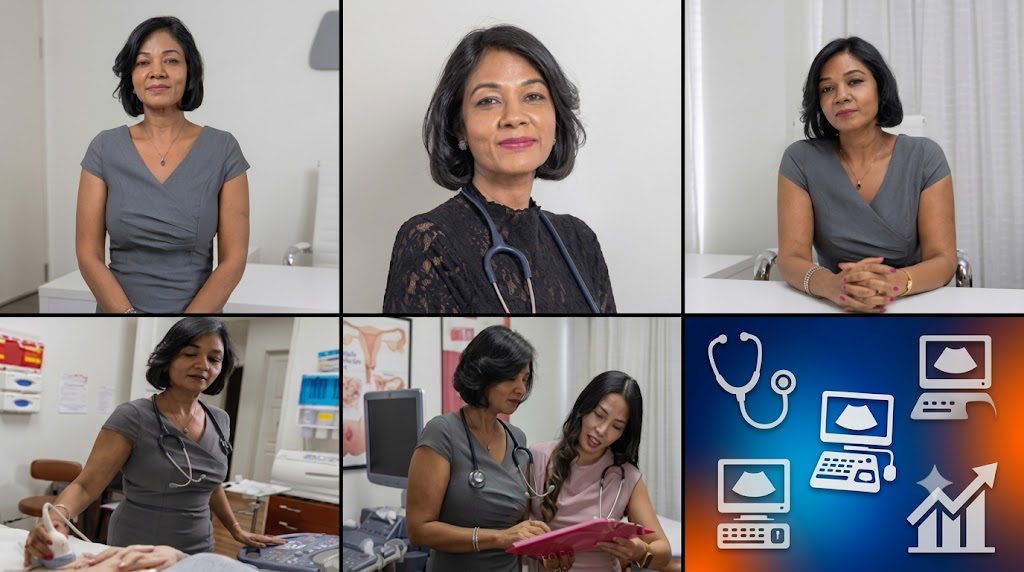























Dr. Deepali Kashyap
Menopause Specialist, Educator & Speaker

Best Gynecologist in Nevada

Pioneering Women's Health Through Care ,
Education & Innovation

Influencer

Trusted health and wellness influencer on Instagram, sharing expert insights on women’s health and hormones , actionable, holistic advice that helps women make informed decisions and take control of their well-being.

Speaker

Sought-after female keynote speaker on women’s health and menopause , shaping conversations at national and international conferences, and empowering both healthcare professionals and women to embrace proactive care.

Doctor

Dr. Deepali Kashyap,Menopause Society Certified Practitioner and hormone specialist, provides evidence-based HRT, BHRT, perimenopause treatment including special wellness program MetaboLonge to support women’s midlife health.

Author

A menopause author writing a new narrative on midlife care , blending clinical expertise with real-life experiences to give women practical tools and knowledge to navigate this life stage with confidence and clarity.

Educator

Women’s health educator at UNLV School of Medicine, shaping the next generation of physicians to provide proactive, evidence-based menopause care — bridging the gap in women’s health education for better patient outcomes.

Dr. Deepali Kashyap, menopause specialist and female OBGYN in Henderson NV
Dr. Deepali Kashyap

BOARD-CERTIFIED OB/GYN & CERTIFIED MENOPAUSE PRACTITIONER

Functional Gynecologist in Henderson, NV | Menopause Doctor & Hormone Specialist

Dr. Deepali Kashyap, MD, FACOG, MSCP, IFMCP, is a board-certified OB/GYN, Menopause Society Certified Practitioner, IFM Certified Functional Medicine Practitioner, author, and medical educator at UNLV School of Medicine.

about_img

A highly regarded menopause doctor, hormone specialist, and sought-after speaker, Dr. Deepali Kashyap leads one of Nevada’s most trusted menopause clinics Galleria Women’s Health in Henderson, NV. With 15+ years of clinical experience, she educates and provides evidence-based, holistic, and personalized treatment for HRT, BHRT, perimenopause, hormone health, and MetaboLong to help women navigate midlife with clarity, confidence, and long-term wellness.

Request an Appointment
Dr. Kashyap quote on menopausal hormone therapy

Menopausal hormone therapy is not a pill
- it’s a process.”

Menopause is a dynamic state of neuroendocrine recalibration , not just an estrogen deficiency. Your role is to interpret the signal, not just silence the symptom. This means adapting care over time, adjusting therapies as needed, and integrating lifestyle changes and non-hormonal supports when appropriate.

Dr. Deepali Kashyap

We Accept Major Insurance Plans*

View Accepted Insurance

*Coverage varies by plan and service. Some tests, scans, procedures, or treatments may require prior authorization.

Gynecology, Menopause & Hormone Treatment in Nevada

From adolescence to midlife and beyond, Dr. Deepali Kashyap provides comprehensive women's healthcare services in Henderson & Las Vegas, NV, including expert menopause treatment, gynecology services, functional medicine, sexual wellness, and preventive care, all under one roof.

Menopause
Treatment

Get personalized menopause treatment near Henderson & Las Vegas from a Menopause Society Certified Practitioner for perimenopause, menopause, and postmenopausal health. Dr. Deepali Kashyap provides evidence-based care, including hormone replacement therapy (HRT), bioidentical hormone therapy (BHRT), hormone pellet therapy, and individualized treatment plans to help you manage symptoms and support long-term health.

Functional
Medicine

Restore your health with certified functional medicine doctor and hormone specialist. Dr. Deepali Kashyap uses functional medicine to address the root causes of hormonal imbalance, thyroid issues, gut health concerns, fatigue, weight changes, metabolic health, and midlife wellness challenges. Each treatment plan is personalized with advanced testing, nutrition, lifestyle medicine, and evidence-based care.

Gynecological
Medicine

Get Comprehensive gynecology services for women of all ages, from the best menopause specialist in Henderson Dr.Deepali Kashyap. Care includes annual well-woman exams, preventive screenings, menstrual disorders, pelvic pain, birth control, urinary incontinence, and minimally invasive in-office procedures.

Sexual
Health

Regain confidence and improve your intimate wellness with compassionate sexual health care for women. The female hormone specialist, Dr. Deepali Kashyap provides personalized treatment for female sexual dysfunction , including low libido, painful intercourse, vaginal dryness, urinary symptoms, and hormone-related changes.

MetaboLonge Wellness
Program

Achieve lasting health with physician-guided MetaboLonge Wellness Program, designed to improve metabolic health, healthy weight, hormone balance, energy, and longevity. Using comprehensive health assessments and personalized lifestyle strategies, Dr. Deepali Kashyap helps women optimize their health for every stage of life.

Adolescent & Teen
Gynecology

Compassionate adolescent and teen gynecology care in a comfortable, supportive environment. We help young women with first gynecology visits, irregular or painful periods, puberty concerns, menstrual health, and reproductive wellness through personalized,

Request an Appointment

Women's Health Questions You May Be Asking

Not every women's health concern comes with an obvious explanation. You might notice changes in your sleep, periods, weight, mood, or intimate health without knowing whether hormones are involved. Explore common questions women ask about these changes, possible causes, and when medical guidance may help.

Persistent Fatigue & Sleep Concerns

1. Perimenopause & Menopause: Understanding Unexplained Changes

Why am I waking up at 3 AM every night in my 40s?

Hormonal fluctuations during perimenopause may contribute to nighttime waking, particularly when accompanied by night sweats or temperature changes. Stress, sleep apnea, medications, and other conditions can cause similar problems. If disrupted sleep becomes persistent, identifying the underlying cause is more useful than assuming menopause is responsible.

Can perimenopause cause anxiety even if I've never had anxiety before?

Some women experience new or worsening anxiety during perimenopause as hormone levels fluctuate and sleep patterns change. However, thyroid conditions, medications, and mental health concerns can produce similar symptoms. A clinical assessment can help determine whether hormonal changes are contributing.

Why do I feel mentally foggy or forgetful in my 40s?

Difficulty concentrating, forgetfulness, and mental fatigue are frequently reported during the menopause transition. Poor sleep, stress, depression, thyroid problems, and certain medications can also affect cognitive function. Persistent or worsening symptoms deserve assessment rather than being automatically attributed to aging.

Can menopause cause joint pain and muscle stiffness?

Joint aches and muscle discomfort may become more noticeable during perimenopause and menopause. Estrogen changes may play a role, although arthritis, inflammatory disorders, and other conditions can produce similar symptoms. Persistent pain, swelling, or reduced mobility should be evaluated.


Persistent Fatigue & Sleep Concerns

2. Hormonal Health: When Your Symptoms Don't Match Your Test Results

Why do I feel hormonally imbalanced when my blood tests are normal?

Reproductive hormone levels fluctuate throughout the menstrual cycle and perimenopause, making a single blood test an incomplete picture of hormonal activity. Symptoms may also arise from thyroid disorders, anemia, sleep problems, or metabolic conditions. Evaluation should consider your symptoms, age, menstrual history, and appropriate targeted testing.

Can thyroid problems and perimenopause cause similar symptoms?

Yes. Fatigue, mood changes, irregular periods, sleep difficulties, and weight changes may occur with either thyroid dysfunction or perimenopause. Because treatment differs, clinicians may evaluate thyroid function when symptoms or medical history suggest an underlying thyroid condition.

Why are my PMS symptoms getting worse as I approach 40?

Changes in reproductive hormone patterns during the late reproductive years and perimenopause can affect premenstrual symptoms. Some women notice increased irritability, breast tenderness, headaches, or mood changes. Tracking symptoms across menstrual cycles can help distinguish cyclical changes from persistent health concerns.

Can hormonal changes cause heart palpitations?

Some women report sensations of a racing or fluttering heartbeat during perimenopause, occasionally alongside hot flashes or anxiety. However, palpitations may also reflect arrhythmias, thyroid disorders, anemia, or medication effects. New or recurring palpitations warrant medical assessment; those accompanied by chest pain, fainting, or severe breathlessness require urgent attention.

Persistent Fatigue & Sleep Concerns

3. Hormone Therapy: Making Informed Treatment Decisions

Is an estrogen patch safer than taking estrogen pills?

Transdermal estrogen, delivered through patches, gels, or sprays, avoids the liver's first-pass processing and may carry a lower risk of blood clots than oral estrogen in some patients. The appropriate choice depends on medical history, individual risks, and treatment goals. Women with a uterus generally also require appropriate endometrial protection when using systemic estrogen.

Can I use hormone therapy if I have a family history of breast cancer?

A family history of breast cancer does not automatically rule out menopausal hormone therapy, but it makes individualized risk assessment especially important. Personal cancer history, inherited risk factors, screening results, and the proposed treatment influence the decision. Systemic hormone therapy is generally avoided in women with a personal history of breast cancer unless assessed within specialist care.

What happens if my menopause symptoms return after stopping HRT?

Hot flashes, night sweats, and other menopause symptoms can return after hormone therapy is stopped. Their severity and duration vary. A clinician can review whether to restart treatment, adjust the approach, or consider non-hormonal alternatives based on current symptoms and health risks.

How do I know if my HRT dose needs adjusting?

Persistent symptoms, medication side effects, or changes in bleeding patterns may prompt a review of the treatment plan. Dose adjustments depend on symptom response, safety considerations, and the formulation being used, rather than routine hormone levels alone. Patients should not independently change prescribed doses.

Persistent Fatigue & Sleep Concerns

4. Sexual, Vaginal & Pelvic Health: Concerns Women Often Hesitate to Discuss

Why does sex suddenly hurt when it never used to?

Pain during intimacy may develop because of vaginal dryness, changes in estrogen, pelvic floor muscle tension, infections, or other gynecological conditions. Pain at the vaginal opening and deeper pelvic pain may have different causes. An examination can help identify suitable treatments.

Why has my sex drive disappeared even though my relationship is healthy?

Sexual desire can be influenced by hormonal changes, sleep quality, stress, medications, discomfort during intimacy, and emotional health. A decrease in desire does not necessarily indicate relationship problems or low testosterone. When it causes personal distress, evaluation can help identify contributing factors and appropriate treatments.

Why do I keep getting UTI symptoms when my urine tests are negative?

Burning, urinary urgency, and discomfort can occur without a bacterial urinary tract infection. Possible explanations include genitourinary syndrome of menopause, bladder pain syndrome, pelvic floor dysfunction, or vulvovaginal irritation. Repeated symptoms with negative cultures warrant evaluation rather than repeated antibiotics without evidence of infection.

Is spotting after menopause serious if it's only a small amount?

Any vaginal bleeding after menopause, including light spotting, should be medically evaluated. Although causes may include tissue thinning or benign polyps, bleeding can sometimes indicate endometrial disease, including cancer. The amount of bleeding alone cannot reliably determine its significance.

Persistent Fatigue & Sleep Concerns

5. Weight, Energy & Metabolic Health: Understanding Midlife Changes

Why am I gaining belly fat after 40 even though I haven't changed my diet?

Aging, changes in body composition, sleep disruption, activity levels, and hormonal changes can contribute to increased abdominal fat during midlife. Reduced muscle mass may also influence energy requirements. A personalized assessment can consider metabolic health, medications, nutrition, and physical activity.

Can menopause make insulin resistance worse?

The menopause transition is associated with changes in abdominal fat distribution and metabolic health that may affect insulin sensitivity. Genetics, activity levels, sleep, and existing medical conditions also contribute. Screening for glucose abnormalities and cardiovascular risk factors may be useful for women with relevant symptoms or risk factors.

Why am I always exhausted even after sleeping for eight hours?

Sleep duration does not always reflect sleep quality. Night sweats, sleep apnea, insomnia, anemia, thyroid dysfunction, depression, and other conditions can contribute to persistent exhaustion. Understanding whether fatigue is related to disrupted sleep, metabolic health, or another medical issue is essential before choosing treatment.

Why am I losing muscle strength as I get older?

Muscle mass and strength can decline with age, particularly when physical activity and resistance training decrease. Menopause-related changes may contribute to changes in body composition. Adequate protein, progressive strength training, and evaluation of unexplained weakness can support healthier aging.

Persistent Fatigue & Sleep Concerns

6. Choosing the Right Women's Health Care

Should I see a menopause specialist if my regular doctor says my symptoms are normal?

Menopause symptoms are common, but they still deserve attention when they disrupt sleep, work, relationships, or quality of life. A clinician experienced in menopause care can review possible causes, explain treatment options, and help you make informed decisions. Dr. Deepali Kashyap at Galleria Women's Health is a Menopause Society Certified Practitioner in Henderson, Nevada.

What qualifications should I look for in a doctor who treats perimenopause?

Look for a licensed clinician with appropriate training and experience in menopause care, familiarity with evidence-based hormonal and non-hormonal treatments, and the ability to assess individual risk factors. Credentials such as Menopause Society Certified Practitioner (MSCP) can indicate additional menopause-specific knowledge.

Can one doctor address my gynecological symptoms, hormone concerns, and metabolic health?

Depending on the underlying conditions, an OB/GYN with additional training may coordinate care across several aspects of women's health. At Galleria Women's Health, Dr. Deepali Kashyap combines board-certified gynecology, menopause care, and certified functional medicine training to assess interconnected concerns and coordinate referrals when necessary.

What should I prepare before visiting a menopause or hormone specialist?

Bring a list of your symptoms, menstrual history, medications, supplements, relevant medical records, and previous test results. Tracking sleep changes, hot flashes, bleeding patterns, and how symptoms affect daily life can make the consultation more productive. Also prepare questions about treatment benefits, risks, alternatives, and follow-up care.

Telehealth Services in Nevada

For easier access, continuity of care, and convenient follow-up without unnecessary travel, Galleria Women’s Health offers secure telehealth services (virtual care) for eligible established patients in Nevada. Through our telemedicine services, you can request a telehealth appointment with Dr. Deepali Kashyap for follow-up care when a physical exam is not required.

What makes Dr. Deepali Kashyap the best virtual doctor for menopause care is her ability to combine menopause expertise, hormone therapy knowledge, functional medicine insight, and personalized follow-up care for women navigating midlife symptoms, medication needs, and long-term wellness.

Telehealth May Be Used For:

01

Menopause & Hormone Therapy Follow-ups

Review hot flashes, night sweats, sleep changes, mood concerns, libido, vaginal comfort, and response to treatment.

02

Medication Review & Refills

Medications may be reviewed, adjusted, prescribed, or refilled when clinically appropriate and legally permitted.

03

Lab Review & Care-Plan Updates

Discuss test results, symptom progress, HRT/BHRT guidance, functional medicine recommendations, or supplement plans.

04

Treatment-Response Monitoring

Review how your body is responding to hormone therapy, medications, supplements, lifestyle changes, or ongoing wellness care.

Important Notes

Telehealth is available only for eligible established patients located in Nevada. Some concerns may still require an in-person visit, physical exam, procedure, imaging, or urgent evaluation. Medication and prescription decisions are made only after clinical review and may vary based on symptoms, medical history, safety factors, and applicable prescribing rules.

No-Show / Late Cancellation Policy

Telehealth appointments require the same scheduling commitment as in-office visits. Patients who miss a scheduled telehealth appointment, join too late to complete the visit, or cancel without adequate notice may be subject to the clinic’s no-show or late cancellation policy.

Instagram

Daily Health Insights
by Dr. Deepali Kashyap

Women’s Health Speaker & Global Thought Leader: Dr. Deepali Kashyap

Dr. Deepali Kashyap is a globally recognized expert in women's health, specializing in menopause and hormone care. She has been invited as a guest speaker at numerous national and international conferences, seminars, and academic institutions, where she shares her extensive knowledge and insights.

Hold Your Date
Podcast

Women’s Hormone Health — Podcasts & Media

Beyond the clinic, Dr. Deepali Kashyap connects with women everywhere through podcasts, media, and community talks. Her conversations simplify complex health topics, bringing clarity to menopause, hormones, and midlife wellness.

Menopause: Dr. Deepali Kashyap

From Confusion to Clarity

Blending medical insight with real-life stories, Dr. Kashyap’s book demystifies menopause and offers clear, compassionate guidance for women approaching or experiencing midlife changes.

Coming Soon
Testimonials

Patient Experiences and Success Stories

Blogs

Latest From Know Pause by
Dr. Deepali Kashyap

Faq

Frequently Asked Questions

  • How do I know if I’m going through menopause?

    Menopause typically occurs between the ages of 45 and 55, but it can vary. If you're in this age range and experiencing symptoms such as irregular periods, hot flashes, sleep disturbances, and mood swings, it may be a sign of menopause. Dr. Kashyap can evaluate your symptoms and provide the appropriate tests to confirm your diagnosis.

  • What are the different treatment options for managing menopause symptoms?

    Managing menopause symptoms involves a personalized approach that may include hormone replacement therapy (HRT), lifestyle changes, and natural remedies. Dr. Kashyap offers a combination of evidence-based treatments like HRT and functional medicine, focusing on nutrition, stress management, and exercise. The goal is to address symptoms such as hot flashes, mood swings, sleep disturbances, and hormonal imbalances, helping you feel your best during this transition.

  • How can I schedule an appointment?

    You can schedule an appointment by calling our office or booking online through our website. Dr. Kashyap offers both in-person and telehealth consultations to accommodate your needs.

  • Do you offer adolescent and teen gynecology?

    Yes. Dr. Kashyap provides adolescent gynecology for teens and young women , first gynecologic visits, menstrual irregularities, period pain, and confidential, age-appropriate guidance in a comfortable environment. Learn more on our Adolescent Gynecology services page.

  • What is perimenopause and how is it treated?

    Perimenopause is the transition phase before menopause, often starting in your early-to-mid 40s, marked by irregular periods, mood changes, sleep issues, and night sweats. Treatment may include hormone therapy, targeted supplements, and lifestyle strategies tailored to your lab results and symptoms.

  • Do you offer bioidentical hormone replacement therapy (BHRT)?

    Yes. Dr. Kashyap offers bioidentical hormone replacement therapy, including bioidentical progesterone and estrogen, as part of a personalized treatment plan. After comprehensive hormone testing, she determines whether BHRT, conventional HRT, or non-hormonal approaches best fit your symptoms, health history, and goals.

  • Do you offer hormone pellet therapy?

    Yes. Hormone pellet therapy is available as a self-pay treatment option. During your consultation, Dr. Kashyap will discuss whether pellets or another form of hormone therapy is the safest, most effective fit for your individual needs.

  • At what stage of life should I start menopause or midlife care?

    We recommend beginning a midlife or menopause awareness plan in your early 40s, especially if you notice early symptoms (irregular periods, night sweats, mood swings, low energy). Starting early lets us slow or mitigate many changes, maintain bone and cardiovascular health, and support quality of life through hormonal and lifestyle strategies.

  • Can you help with urinary incontinence or pelvic organ prolapse without surgery?

    Absolutely — for many mild to moderate cases of incontinence or prolapse, we offer non-surgical and minimally invasive options. This may include pelvic floor rehabilitation, vaginal laser or radiofrequency therapies, pessary devices, and lifestyle modifications. If surgical intervention becomes necessary, we discuss it transparently and tailor it to your needs.

  • What makes your approach to hormonal and menstrual disorders different?

    We don’t just treat symptoms; we focus on root causes. Our clinicians combine functional medicine methods with evidence-based gynecology. That means we use advanced lab testing (hormones, metabolic panels, etc.) to identify root imbalances. Then we create a personalized plan (nutrition, supplements, hormone support, lifestyle) rather than using a “one-size-fits-all” protocol.

  • Do you accept Medicaid or Medicare?

    Yes — we accept Medicaid, Medicare, and most major insurance plans. Some wellness services, including hormone pellet therapy, ThermiVa, PRP therapy, InBody scans, specialized testing, and supplements, are self-pay. Visit our Insurance page or call us to verify your specific plan.

  • Do you offer telehealth appointments?

    Yes — telehealth follow-up visits are available for established patients located in Nevada, for services that do not require a physical exam. New patients are seen in person at our Henderson office for their first visit.

  • Do you provide pregnancy (obstetric) care?

    No, our practice focuses on gynecology, menopause, and hormone health and does not provide obstetric care. We do offer preconception counseling and infertility evaluation with referrals when needed.