
banner banner

Gynecology Services

Looking for the Best OB-GYN Near You in Henderson?

Our comprehensive OB-GYN care in Henderson commonly helps with:

  • Menopause Symptoms
  • Irregular Menstrual Cycles
  • Heavy Bleeding
  • Hormonal Imbalances
  • Severe Menstrual Cramps
  • Menstrual Pain
  • Pelvic Pain
  • Pain During Intercourse
  • Vaginal Discharge or Odor
  • Breast Lumps
  • Nipple Discharge
  • Frequent Urination or Discomfort
banner

15+ Years

Women's Healthcare Experience

banner

5,000+

Patients Seen Annually

banner

200+

In-Network Insurance Plans

banner

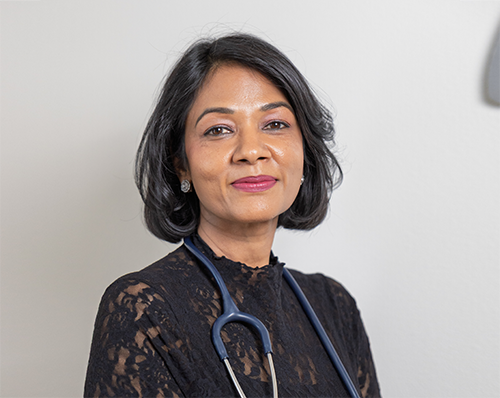
Dr. Deepali Kashyap

Functional Medicine Expert

Women’s Health Specialist

Female OB-GYN & Gynecologist in Henderson, NV

Dr. Deepali Kashyap

Dr. Deepali Kashyap is a board-certified OB/GYN, Menopause Society Certified Practitioner (MSCP), and Functional Medicine Certified Practitioner (IFMCP) with more than 15 years of experience caring for women from adolescence through menopause and beyond. Dr. Deepali Kashyap combines evidence-based gynecology with a deeper understanding of hormonal, metabolic, lifestyle, and long-term health factors, offering compassionate, judgment-free care based on age, concerns, and health goals.

Request an Appointment

How We Provide Personalized
Gynecology Service

Our Functional Medicine consultations are designed to go beyond routine testing or short appointments. This process gives us the space to understand your health in a more complete and connected way, so we can create a plan that’s realistic, sustainable, and aligned with your goals.

01. OB-GYN Consultation

Your OB-GYN consultation begins with a private conversation about your concerns, medical history, symptoms, and health goals. This helps Dr. Deepali Kashyap understand your needs clearly and decide what type of gynecology care may be appropriate.

  • Review of symptoms and health history
  • Discussion of personal concerns and goals
  • Answers to gynecology and women’s health questions
  • Guidance on the next step in care

02. Screening & Diagnostic Tests

Screening and diagnostic tests are recommended only when they help evaluate your concern more accurately. Based on your age, symptoms, and medical history, this may include preventive screening, pelvic evaluation, imaging guidance, or other OB-GYN testing.

  • Pap smear screening
  • Pelvic ultrasound evaluation
  • Mammogram guidance
  • Review and explanation of results

03. Personalized Gynecology Care Planning

After the consultation and evaluation, Dr. Deepali Kashyap discusses the findings and explains the available care options. Your gynecology care plan is shaped around your diagnosis, comfort level, stage of life, and long-term health needs.

  • Treatment option discussion
  • Medication and test review
  • Preventive women’s health planning
  • Clear next-step guidance

4. Follow-Up & Ongoing Support

Follow-up care helps track progress, review results, and adjust the plan when needed. Ongoing gynecology support ensures your care continues to match your health needs as symptoms, goals, or life stages change.

  • Regular follow-up visits
  • Progress and result monitoring
  • Evaluation of new concerns
  • Long-term gynecology support

We Accept Major Insurance Plans*

View Accepted Insurance

*Coverage varies by plan and service. Some tests, scans, procedures, or treatments may require prior authorization.

Gynecology Concerns We Treat

Women’s Health Concerns & Gynecology Services

At Galleria Women’s Health, our gynecology services cover a wide range of women’s health needs, with care designed around prevention, early evaluation, personalized treatment, and long-term wellness.

banner

Annual Women’s Health Services

  • Cancer screening
  • Birth control counselling
  • HPV vaccine guidance
  • Health screenings
  • Emotional health screening
  • STD screening
banner

Menstrual & Hormonal Disorders

  • Irregular periods
  • Heavy periods
  • PCOS
  • PMS / PMDD
  • Perimenopause transitions
banner

Infections & Targeted Relief

  • Vaginal infections
  • Urinary tract infections
  • Pelvic inflammatory disease
  • Breast infections
banner

Pelvic Pain Conditions

  • Ovarian cysts
  • Endometriosis
  • Uterine fibroids
  • Non-gynecologic pelvic pain
banner

Infertility Evaluation & Referrals

  • Cycle tracking
  • Ovulation history
  • Hormonal labs
  • Pelvic ultrasound
  • Fertility referrals
banner

Urinary Incontinence

  • Bladder history review
  • Pelvic floor assessment
  • Urine testing
  • Treatment planning
  • Urogynecology referrals
banner

In-Clinic Procedures

  • Colposcopy
  • Endometrial biopsy
  • Cyst drainage
  • Pelvic ultrasound
  • IUD insertion/removal
  • Nexplanon insertion/removal
banner

Menopause & Midlife Care

  • Lifestyle support
  • Non-hormonal therapies
  • Hormone replacement therapy
  • Vaginal and sexual health care
  • Bone and heart health screening
  • Brain and mood support
banner

Adolescent Gynecology

  • Puberty education
  • First period counselling
  • Teen menstrual concerns
  • HPV vaccine counselling
  • Safe-sex education
  • Mental health screening
banner

Vulvar Disorders & Pelvic Organ Prolapse

  • Vulvar irritation
  • Burning discomfort
  • Skin changes
  • Pelvic pressure
  • Bulge sensation
  • Pessary support

What to Expect From Your Gynecology Visit

Your appointment is shaped around your age, current concerns, medical history, and preventive care needs, with each examination or test explained before proceeding.

  • A clear discussion of your symptoms, concerns, and health history
  • Review of your menstrual cycle, sexual health, and gynecology history when relevant
  • Pelvic exam, breast exam, Pap smear, or screening recommendations when needed
  • Testing for infections, urinary symptoms, hormones, or other concerns when appropriate
  • Explanation of findings in simple, comfortable language
  • Treatment guidance based on your diagnosis, age, comfort level, and goals
  • Follow-up planning for results, symptom monitoring, prevention, or ongoing care

Planning a First Gynecology
Visit for Your Teen?

Support your teen with age-appropriate gynecology care that helps answer period, puberty, HPV prevention, and menstrual health questions , with guidance parents can trust.

Schedule Your Visit

How We Provide the Best Female
Gynecology Services in Henderson, NV

01

Annual Women’s Health Services at Galleria

During your annual exam, Dr. Deepali Kashyap tailors every part of your visit to your history, current concerns, and future goals. We cover preventive screenings, reproductive health, emotional well-being, and silent risk factors that often get missed in rushed, routine care.

Cancer Screening

As hormone levels shift, particularly after menopause, the risk for certain cancers increases. At Galleria, we take this seriously, offering evidence-based screening and taking the time to explain each step.

During your annual visit, we may recommend:
  • Mammograms: For breast cancer screening starting around age 40, or earlier if you have a strong family history.
  • Pap smear and HPV co-testing: For cervical cancer detection, follow national guidelines based on your age and past results.
  • Oral and skin cancer checks: Integrated into your physical exam, especially if you are over 50 or have a history of tobacco use or sun exposure.
  • Colorectal screening: Based on age, personal history, and family risk factors. We guide you on when to start and which test is appropriate.

Screening decisions are made based on consultation with you, based on your body, history, and stage of life. If additional risks are identified, such as thyroid dysfunction, metabolic syndrome, or postmenopausal changes, further testing may be recommended during your visit.

Birth Control Counselling

At Galleria, we help you weigh your options based on your age, medical history, menstrual pattern, relationship status, and reproductive goals.

Options we may discuss include:
  • Options discussion: We help you choose the most suitable method based on your age, health history, and reproductive plans.
  • Cycle regulation and symptom control: Pills, patches, or vaginal rings can help manage your menstrual cycle and alleviate symptoms.
  • Long-acting reversible contraception: Including hormonal IUDs (Mirena, Kyleena), copper IUDs, and implants (Nexplanon) for effective long-term prevention.
  • Injectable contraception: Such as Depo-Provera, ideal for women preferring a non-daily option.
  • Assessment requirement: Before starting or switching methods, a health history and safety form are necessary to ensure suitability.

Before starting or changing your method, a health history and safety form will be completed to ensure suitability.

HPV Vaccination Prescription & Vaccine Guidance

Vaccinations play a vital role in preventing certain cancers and infections. While we do not administer vaccines in-office, we provide comprehensive guidance and prescriptions to help you stay up-to-date.

This includes:
  • Vaccine prescriptions:We offer prescriptions for HPV vaccines up to age 45 to reduce the risk of cervical and other genital cancers.
  • Vaccination guidance:We advise on the importance of vaccines such as flu, shingles, tetanus, and pneumonia, tailored to your health needs.
  • Where to vaccinate:Recommendations are provided for nearby clinics where you can receive your vaccines, along with follow-up instructions.
  • Annual review:Your vaccination status is checked yearly to ensure you remain protected.

Our goal is to keep you informed and supported in maintaining your immunizations for optimal health.

Health Screenings

Routine health screenings are essential to detect potential issues early and maintain overall wellness. During your annual exam, we may recommend specific tests based on your age and health history.

  • Cholesterol and lipid panels: Especially important for women over 40 to assess heart health.
  • Blood pressure and cardiovascular risk:Screened to evaluate your heart health as estrogen levels decline.
  • Thyroid function tests:Recommended if you experience fatigue, weight changes, or menstrual irregularities.
  • Blood sugar testing:Fasting glucose or insulin resistance tests, particularly with PCOS or metabolic concerns.
  • Bone density testing:DEXA scans to evaluate osteoporosis risk post-menopause.
  • Vitamin D levels:Checked to support bone health and immune function.
  • Results discussion:All findings are personally reviewed, with explanations on their implications for your health.

These screenings help us work together to keep you healthy and proactive about your wellness.

Depression & Emotional Health Screening

Your emotional well-being is an integral part of your overall health. During your annual visit, we incorporate screening tools to assess your mental health status.

  • Mental health assessment: Using tools like PHQ-9 to evaluate mood, anxiety, and emotional distress.
  • Identifying risks: Screening for depression or suicidal thoughts with utmost confidentiality and care.
  • Support options: Based on the results, we may recommend counseling, lifestyle adjustments, or further evaluation to support your mental health.

We are committed to supporting your emotional resilience and overall well-being.

STD Screening

Sexual health is a vital part of your overall wellness. During your annual exam, we may recommend testing to ensure you remain healthy and protected.

  • Infections testing: Swabs for chlamydia, gonorrhea, and trichomoniasis to detect common STDs.
  • Blood testing: For HIV, syphilis, herpes, and hepatitis B/C to maintain comprehensive sexual health.
  • Partner testing: Guidance and support for partner testing if necessary, with discretion.
  • Screening frequency: Based on your age, lifestyle, and relationship status to ensure timely detection and treatment.

Regular screening helps you stay confident and healthy in your intimate life.

Birth Control Counselling

02

Menstrual & Hormonal Disorders

Menstrual and hormonal issues can affect your overall health and quality of life. Proper evaluation helps identify the underlying cause and guide effective treatment.

Irregular Periods, Spotting Between Cycles, or Bleeding After Sex

Unpredictable cycles, spotting outside your period, or bleeding after intimacy should be investigated to determine the cause.

  • PCOS: Often causes irregular periods or periods spaced far apart.
  • Thyroid imbalance: Can disrupt ovulation and cause abnormal bleeding.
  • Uterine fibroids or cervical polyps: Growths that may cause irregular bleeding or spotting.
  • Infections or cervical inflammation: Can lead to abnormal bleeding and require treatment.

Early diagnosis and management are essential to address these symptoms effectively and maintain reproductive health.

Heavy Periods (Menorrhagia)

Heavy menstrual bleeding lasting more than 7 days, with large clots or causing fatigue and iron deficiency, can significantly impact your well-being.

  • Uterine fibroids: Noncancerous growths in the uterus that can cause heavy bleeding and discomfort.
  • Adenomyosis: A condition where uterine tissue grows into the muscular wall, leading to heavy, painful periods.
  • Hormonal imbalances: Disruptions in estrogen and progesterone can cause abnormal bleeding patterns.
  • Thyroid dysfunction: Imbalances in thyroid hormones may contribute to heavier or irregular periods.
  • Clotting disorders: Rare conditions affecting blood clotting can result in excessive bleeding.

Treatment options depend on the underlying cause and your personal goals, including hormonal therapy, non-hormonal medications, iron support, or minimally invasive procedures.

Polycystic Ovary Syndrome (PCOS)

PCOS can affect your menstrual cycle and overall health, often presenting with a range of symptoms:
  • Irregular or absent periods: Disrupted ovulation leads to unpredictable or missed periods.
  • Acne or unwanted facial/body hair (hirsutism): Excess androgen hormones can cause skin and hair changes.
  • Weight changes and insulin resistance: Hormonal imbalance often affects metabolism and weight.
  • Fertility issues and mood swings: Ovulation problems and hormonal fluctuations can impact fertility and emotional health.
Your care plan may include:
  • Lifestyle and nutrition support: To improve insulin sensitivity and reduce inflammation.
  • Hormonal regulation: Using medications or supplements to restore balance.
  • Menstrual tracking and ovulation monitoring: To understand your cycle better.
  • Fertility counseling: If pregnancy is a goal, to optimize chances of conception.

Managing PCOS is a comprehensive process that focuses on balancing hormones, improving metabolic health, and supporting fertility. With personalized care and lifestyle adjustments, many women find relief from symptoms and achieve their health goals.

PMS & PMDD (Premenstrual Mood Disorders)

If emotional symptoms like irritability, exhaustion, or mood swings interfere with your daily life, you may have PMS or PMDD, a more severe mood disorder related to hormonal changes.

At Galleria, we evaluate and treat with:
  • Cycle-based symptom tracking: To identify patterns and triggers.
  • Nutrient support: Such as magnesium, B6, and omega-3s to reduce symptoms.
  • Herbal therapies: Like chasteberry or saffron extract to balance hormones naturally.
  • Lifestyle strategies: Stress management, sleep optimization, and blood sugar regulation.
  • SSRIs: Selective serotonin reuptake inhibitors, when indicated, to manage mood symptoms.
  • Hormonal therapy: For cases with confirmed luteal-phase hormone drops.

Effective management can improve emotional well-being and quality of life.

Perimenopause and Cycle Transitions

The transition into perimenopause usually begins in the late 30s or early 40s and involves gradual changes in your cycle and symptoms. While these changes are normal, they can be confusing or disruptive, so we help you understand:

  • Early hormonal decline: Recognizing the signs of approaching menopause.
  • Triggering symptoms: Like sleep issues, anxiety, irritability, or mid-cycle spotting.
  • Hormone fluctuations: How estrogen and progesterone levels vary throughout your cycle.
  • Influencing factors: Stress, thyroid health, and lifestyle that may affect your transition.
Support may include:
  • Hormone level testing: Including FSH, estradiol, and progesterone.
  • Lifestyle modifications: To ease cycle-related changes.
  • Bioidentical progesterone: To support sleep, reduce anxiety, and stabilize mood.
  • Cycle tracking: To anticipate and understand hormonal shifts.
  • Nutritional and herbal therapies: To support your transition naturally without rushing into hormone therapy.

Our goal is to support your health during this natural transition and minimize disruption.

03

Infections: Timely Diagnosis, Targeted Relief

Infections affecting the reproductive and urinary systems can cause a variety of uncomfortable symptoms. Early detection and targeted treatment are essential to prevent complications and promote recovery. At Galleria, we offer comprehensive evaluations to identify and manage these infections effectively.

Vaginal Infections

Vaginal infections may cause symptoms such as itching, burning, abnormal discharge, or odor. However, these symptoms can be caused by different infections, each requiring specific treatment.

We evaluate for:
  • Yeast infections (Candida): Characterized by thick, white, cottage cheese-like discharge, intense itching, and irritation of the vaginal area.
  • Bacterial Vaginosis (BV): Usually presents with a thin, grayish or white discharge that has a strong fishy odor, especially after intercourse.
  • Trichomoniasis (Trich): May cause frothy, yellow-green discharge, vaginal itching, and discomfort during urination or intercourse.
  • - Ureaplasma and Mycoplasma: Often cause mild symptoms but can lead to persistent vaginitis or reproductive issues.

Diagnosis involves a pelvic exam and laboratory testing, such as vaginal swabs and cultures.

Urinary Tract Infections (UTIs)

UTIs can cause a range of symptoms related to discomfort and urinary urgency. They may occur as a single episode or repeatedly.

We evaluate for:
  • Acute UTIs: Sudden onset of burning sensation during urination, frequent urge to urinate, pelvic pressure, and sometimes blood in the urine.
  • ecurrent UTIs: Multiple infections occurring more than twice within six months, often indicating an underlying issue that needs further investigation.
  • Bladder sensitivity: Symptoms similar to UTIs, such as urgency and discomfort, without any bacteria detected in urine tests, possibly indicating bladder irritability.

Evaluation involves urine tests (urinalysis and culture). In persistent cases, additional imaging or referrals may be necessary.

Prevention strategies include:
  • Vaginal estrogen (for postmenopausal women): To improve tissue health.
  • UTI-prevention supplements: Like D-mannose or cranberry extract.
  • Hydration and hygiene education: Encouraging increased fluid intake and proper wiping techniques.
  • Pelvic floor relaxation techniques: To reduce tension that may contribute to urinary retention and infections.

Pelvic Inflammatory Disease (PID)

PID is a serious infection of the upper reproductive organs that can develop from untreated vaginal or cervical infections spreading upwards.

Symptoms include:
  • Lower abdominal or pelvic pain: Persistent or intermittent pain that may worsen over time.
  • Pain with intercourse: Discomfort or pain during sexual activity.
  • Fever, fatigue, or unusual discharge: Signs of systemic infection or inflammation, which may include foul-smelling or abnormal vaginal discharge.

At Galleria, Dr. Deepali Kashyap performs comprehensive evaluations, including physical exams and tests, to confirm PID and rule out other causes of pelvic pain.

Management involves:
  • Antibiotics: To eliminate the infection effectively.
  • Pelvic rest: Avoiding sexual activity until the infection resolves to prevent worsening or spread.
  • Follow-up testing and imaging: To ensure complete recovery and assess for complications if symptoms are severe or persistent.

Early intervention and appropriate care are essential to prevent the progression of PID and preserve reproductive health.

Breast Infections (Mastitis and Abscesses)

Breast infections primarily affect breastfeeding women but can also affect non-lactating women due to blocked ducts or skin infections.

Symptoms include:
  • Redness, heat, and swelling: Localized inflammation in part of the breast, often tender to touch.
  • Fever or chills: Indicating systemic infection and needing prompt treatment.
  • A tender lump or area of firmness: Due to blocked ducts, swelling, or abscess formation.
We provide same-day evaluation when possible and may recommend:
  • Antibiotics: To treat bacterial infections.
  • Warm compresses and massage: To help drain blocked ducts and reduce discomfort.
  • Drainage procedures: For abscesses or severe swelling, which may require minor surgical intervention.
  • Breastfeeding support or referral: To a lactation specialist if breastfeeding issues are contributing to the infection or if adjustments are needed.

Prompt treatment helps promote faster recovery and reduces the risk of complications. If you experience symptoms of a breast infection, don't hesitate to seek medical care to ensure proper management and support for your breast health.

Vaginal Infections

04

Pelvic Pain

Pelvic pain can stem from various gynecologic and non-gynecologic causes, affecting daily life and overall well-being. Proper evaluation and tailored treatment are essential to address the underlying issue and relieve discomfort.

Ovarian Cysts

Ovarian cysts are common fluid-filled sacs that develop on or within the ovaries.

  • Symptoms: Sudden or sharp pain on one side, pelvic fullness, or bloating.
  • Evaluation: Pelvic ultrasound and symptom tracking help determine if cysts are benign or require intervention.
  • Treatment: Observation for small cysts, hormonal therapy to prevent recurrence, or surgical removal if cysts are large, persistent, or ruptured.

Understanding the nature of ovarian cysts allows for appropriate management, ensuring comfort and preventing complications.

Endometriosis

Endometriosis is a condition where tissue similar to the uterine lining grows outside the uterus, often causing significant pain.

  • Symptoms: Cyclic deep pelvic pain, pain during periods, intercourse, or bowel movements, and possible fertility issues.
  • Evaluation: Diagnosis involves clinical assessment and imaging; sometimes laparoscopy is needed.
  • Treatment: Hormonal therapies to suppress abnormal tissue growth, pain management, and surgical options for severe cases.

Effective management of endometriosis can significantly reduce pain and improve quality of life and fertility prospects.

Uterine Fibroids

Fibroids are benign growths within or around the uterus that can cause various symptoms.

  • Symptoms: Heavy or prolonged periods, pelvic pressure, pain during sex or bowel movements, and fertility challenges.
  • Evaluation: Ultrasound imaging helps determine size, location, and number of fibroids.
  • Treatment: Options include hormonal treatments, medications to reduce bleeding, or surgical procedures like myomectomy or embolization.

Targeted treatment plans can help control symptoms and support reproductive health.

When Pain Isn’t Gynaecologic

Not all pelvic pain originates from reproductive organs. It can also be related to other systems.

  • Gastrointestinal issues: Conditions like IBS, constipation, or inflammation.
  • Urinary problems: Recurrent UTIs or interstitial cystitis.
  • Pelvic floor tension: Muscle tightness that mimics other causes of pain.

Comprehensive screening ensures accurate diagnosis and effective treatment, helping you find relief from discomfort.

Ovarian Cysts

05

Infertility Evaluation & Referrals

Infertility can be an emotionally challenging journey for women and couples trying to conceive. At Galleria Women’s Health, we provide a compassionate and comprehensive initial fertility evaluation, along with guidance on the next steps to help you achieve your reproductive goals.

What We Assess

Infertility is often multifactorial, involving various reproductive factors. During your evaluation, Dr. Deepali Kashyap will assess:

  • Cycle tracking and ovulation history: Understanding your menstrual patterns helps identify ovulation regularity or irregularity.
  • Hormonal labs: Tests such as FSH, AMH, thyroid function, and prolactin levels provide insights into ovarian reserve and hormonal balance.
  • Pelvic ultrasound: This imaging evaluates ovarian function, uterine lining health, and detects fibroids or other structural issues.
  • Hysterosalpingogram (HSG): An X-ray procedure to check if the fallopian tubes are open and functioning properly.
  • Partner’s semen analysis: A critical component of couple care to assess sperm health and motility.

Understanding these factors helps identify potential causes of infertility, guiding targeted treatment options.

What Happens Next

Following your assessment, the next steps are tailored to your reproductive goals:

  • Timed intercourse or ovulation support: If appropriate, we may recommend ovulation induction or natural cycle timing to enhance chances of conception.
  • Referral to a fertility specialist: For advanced treatments like intrauterine insemination (IUI) or in vitro fertilization (IVF), you will be referred to a trusted reproductive endocrinologist.
  • Counseling and support: We discuss options such as egg preservation, lifestyle modifications, or further diagnostic testing to optimize your fertility journey.
What We Assess

06

Urinary Incontinence

Urinary incontinence is a common concern, but at Galleria Women’s Health, we approach it with compassion and clinical clarity. We do not dismiss it as simply part of aging. Instead, we take the time to understand the specific type of incontinence you're experiencing, when it occurs, and how it affects your bladder health.

Our Evaluation Includes

  • Detailed symptom review and bladder history: To understand the pattern, triggers, and impact on your daily life.
  • Physical examination and pelvic floor assessment: When appropriate, to evaluate muscle strength and pelvic support structures.
  • Review of contributing factors: Such as menopause, childbirth history, pelvic surgeries, or hormonal changes that may influence bladder function.
  • Optional urine testing: To rule out infections or irritation that could be contributing to symptoms.

This comprehensive assessment helps identify the root cause of your incontinence, guiding effective treatment strategies.

Treatment Options

After understanding your condition, we offer personalized treatment plans tailored to your lifestyle, symptoms, and preferences:

  • Pelvic floor therapy: We collaborate with experienced therapists to strengthen support muscles, which can improve bladder control.
  • Pessary fitting: For women with bladder prolapse or stress incontinence, a vaginal pessary may provide physical support without the need for surgery.
  • Medications: For urgency or overactive bladder, certain medications can reduce symptoms and increase comfort.
  • Hormonal support: Vaginal estrogen (non-systemic) may enhance tissue health in postmenopausal women and help reduce irritation or frequency.
  • Referrals: If surgical intervention is indicated, we connect you with trusted urogynecologists who specialize in advanced procedures like slings or bladder repair.

Our goal is to help you regain confidence and quality of life through effective, individualized care.

Our Evaluation Includes

Diagnostic & Minor Surgical Procedures

These procedures help us accurately diagnose and address common gynecological concerns quickly and effectively, often during a single visit. They are minimally invasive and designed to provide clarity and relief without the need for hospital stays.

  • Colposcopy: If your Pap smear reveals abnormal cells, we perform a colposcopy using a magnifying lens to closely examine your cervix. This helps identify areas that may need biopsy or further treatment.
  • Endometrial Biopsy: For women experiencing irregular or heavy bleeding, we may take a small sample of the uterine lining to rule out conditions such as cancer, hormonal imbalance, or endometrial thickening. This quick, in-office procedure typically requires no sedation.
  • Incision & Drainage for Cysts: If you have a painful vaginal or vulvar cyst, such as a Bartholin's cyst, we can drain it in-office under local anesthesia. This provides rapid relief and may prevent future infections.
  • Pelvic Ultrasound: Performed in-office to evaluate pelvic pain, irregular bleeding, ovarian cysts, fibroids, or fertility concerns. Results are often available during the same visit for prompt guidance.

These in-office procedures enable quick, accurate diagnosis and immediate intervention, helping you find answers and relief without unnecessary delays.

Therapies & Supportive Procedures

After understanding your condition, we offer personalized treatment plans tailored to your lifestyle, symptoms, and preferences:

  • IUD Insertion & Removal: We offer insertion and removal of hormonal and copper intrauterine devices (e.g., Mirena, Liletta, Kyleena, Paragard). Whether you're starting or switching birth control methods, we’ll guide you through the process.
  • Nexplanon Implant Insertion & Removal: This small rod inserted into the upper arm provides effective contraception for up to 3 years. We perform both placement and removal here, with minimal downtime.
  • Hormone Pellet Therapy: For sustained hormonal balance during menopause, we offer bioidentical hormone pellets placed under the skin, gradually releasing hormones to alleviate symptoms over several months.
  • Vaginal Rejuvenation (ThermiVa Radiofrequency Therapy): A non-invasive treatment using gentle radiofrequency energy to restore vaginal tone, improve lubrication, and increase sensitivity, addressing issues like dryness or mild urinary leakage.
  • AY – “Awaken Yourself” (PRP Therapy): Involves injecting Platelet-Rich Plasma into targeted areas to enhance vaginal health, sensation, and sexual satisfaction—often chosen for intimacy concerns and postpartum recovery.
  • Pessary Insertion & Removal: For pelvic organ prolapse or urinary incontinence, a pessary provides physical support. We assist with sizing, placement, and regular check-ups.

Our goal is to offer comprehensive, convenient gynecological care with procedures performed right here at your appointment, ensuring comfort, clarity, and swift results.

Diagnostic & Minor Surgical Procedures

07

In-Clinic Procedures at Galleria Women’s Health

At our clinic, many essential gynecological procedures can be performed safely, privately, and during your appointment. Dr. Deepali Kashyap conducts these procedures right here at the clinic, enabling faster answers, quicker relief, and direct follow-up—without the need to go elsewhere.

08

Menopause & Midlife Care

Midlife is a profound journey of transformation that affects every aspect of a woman's well-being. At Galleria Women’s Health, we believe in embracing this phase with compassionate, individualized care that honors your evolving needs, empowering you to thrive physically, emotionally, and hormonally through this pivotal time.

Lifestyle & Foundational Care

Creating a solid foundation through daily habits supports overall health and helps alleviate menopausal symptoms naturally. This approach emphasizes sustainable lifestyle changes that promote resilience.

  • Anti-inflammatory nutrition Plans focus on foods rich in fruits, vegetables, omega-3s, and whole grains to reduce systemic inflammation, which can help lessen hot flashes and improve energy.
  • Customized movement routines Include weight-bearing and aerobic exercises that strengthen bones, boost metabolism, and stabilize mood.
  • Stress-reduction techniques Such as breathing exercises, mindfulness, and nervous system support help lower cortisol levels, reducing hot flashes and improving emotional balance.
  • Sleep strategies Tailored to your cycle, cortisol rhythm, and sleep patterns promote restorative rest, which is crucial for hormonal balance and mood stability.

By addressing these foundational areas, women can build resilience, improve overall vitality, and create a stable platform for managing menopausal transitions effectively.

Targeted Natural & Nutraceutical Support

Natural supplements can help ease menopausal symptoms and support overall health without hormones. These targeted nutrients promote hormonal balance, reduce hot flashes, improve mood, and support bone and cognitive health during menopause.

  • Herbal treatment: Herbs like black cohosh, red clover, and maca help reduce hot flashes by balancing hormones naturally.
  • Nervous system support: Magnesium glycinate, ashwagandha, and B-vitamins help calm nerves, improve sleep, and stabilize mood.
  • Estrogen detoxification: DIM and calcium D-glucarate assist the body in processing excess estrogen, promoting hormonal balance.
  • Anti-inflammatory support: Omega-3s and vitamin D reduce inflammation, support brain function, and strengthen bones.

Natural supplements can help ease menopausal symptoms and support overall health without hormones. These targeted nutrients promote hormonal balance, reduce hot flashes, improve mood, and support bone and cognitive health during menopause.

Non-Hormonal Prescription Therapies

Safe medications are available to manage menopausal symptoms without hormone use. These therapies help control hot flashes, mood swings, sleep issues, and vaginal discomfort through targeted medications.

  • Neurotransmitter-modulating drugs: SSRIs/SNRIs can decrease hot flashes and improve mood stability.
  • Nervous system agents: Gabapentin or clonidine help reduce hot flashes at night and improve sleep quality.
  • Short-term medications: Sleep aids or anti-anxiety drugs may be used temporarily to support emotional well-being.
  • Vaginal health: Moisturizers and pH-balancing agents alleviate vaginal dryness and discomfort without hormones.

Safe medications are available to manage menopausal symptoms without hormone use. These prescriptions offer effective symptom relief while aligning with individual health preferences and needs

Hormone Replacement Therapy (HRT)

Personalized hormonal treatments effectively alleviate significant menopausal symptoms. HRT restores hormonal balance using various delivery methods tailored to individual health profiles, improving quality of life.

  • T- Transdermal options: Patches and gels deliver hormones directly through the skin with fewer side effects.
  • Progesterone: Protects the uterus and relieves vaginal dryness and irritation.
  • Local therapies: DHEA or estrogen creams target vaginal atrophy with minimal systemic absorption.
  • Testosterone: May be used in some cases to improve libido and boost energy levels.
  • Customized plans: Developed based on hormone testing and personal health considerations for safety.

HRT restores hormonal balance using various delivery methods tailored to individual health profiles, improving quality of life. Proper assessment and customization ensure safe and effective management of menopausal challenges.

Vaginal & Sexual Health Therapies

Targeted treatments can restore vaginal tissue health and enhance intimacy. These therapies improve tissue elasticity, moisture, and sensation, helping women feel more confident and comfortable during sex.

  • ThermiVa: Uses radiofrequency energy to tighten tissues and increase blood flow.
  • PRP Injections: Platelet-rich plasma promotes tissue healing and improves sensation.
  • Hormonal creams: Vaginal estrogen or DHEA increase moisture and elasticity.
  • Pelvic floor exercises: Strengthen muscles and reduce prolapse-related discomfort.

These therapies improve tissue elasticity, moisture, and sensation, helping women feel more confident and comfortable during sex. They play a vital role in maintaining sexual health and overall well-being during menopause.

Bone Health & Cardiovascular Screening

Early detection helps prevent osteoporosis and heart disease during menopause. Regular screening and lifestyle changes are key to maintaining healthy bones and a strong heart.

  • Bone density scans (DEXA): Measure bone strength and fracture risk.
  • Blood tests: Check cholesterol, blood sugar, and blood pressure for heart health.
  • Nutritional evaluation: Ensure adequate intake of calcium, vitamin D, and magnesium.
  • Lifestyle review: Optimize sleep, exercise, and habits to support overall health.

Regular screening and lifestyle changes are key to maintaining healthy bones and a strong heart. Proactive management can significantly reduce the risk of long-term health issues.

Brain, Mood & Emotional Support

Supporting mental and emotional well-being helps women navigate menopause more smoothly. Assessments, counseling, and natural or medication options help maintain cognitive clarity and emotional stability.

  • Cognitive assessments: Detect issues like brain fog and memory lapses.
  • Mood evaluation: Guide personalized treatment for irritability, anxiety, or depression.
  • Screening tools: Early detection of depression and anxiety symptoms.
  • Therapeutic support: Referrals for counseling or therapy when needed.
  • Supplementation: Nutritional support to stabilize neurotransmitters and improve mood.

Assessments, counseling, and natural or medication options help maintain cognitive clarity and emotional stability. Prioritizing mental health is essential for overall quality of life during this transitional phase.

Targeted Natural & Nutraceutical Support

First Period Counseling & Puberty Education

We provide gentle, age-appropriate guidance to help teens understand and navigate their first experiences with menstruation and puberty, fostering confidence and knowledge.

What a normal period looks and feels like:

We discuss typical symptoms, duration, and variations to help teens distinguish between normal and concerning changes.

  • Managing cramping, bleeding, or mood changes: Practical tips and options are shared to ease discomfort and emotional fluctuations.
  • When to expect cycle regulation: Education on hormonal adjustments and timeline expectations helps normalize irregularities.
  • How to use pads, tampons, or menstrual cups: We demonstrate proper use and address concerns about comfort and safety.
  • Understanding hormonal changes and emotional shifts: Teens learn about the biological reasons behind mood swings, irritability, and other emotional responses.

Empowering teens with knowledge about puberty helps promote healthy attitudes, reduces anxiety, and supports self-care during this critical transition.

Early Menstrual Irregularities

We evaluate and address concerns like heavy bleeding, irregular cycles, severe cramps, or missed periods to ensure healthy development and rule out underlying issues.

  • Hormonal and thyroid testing: Blood tests help identify imbalances like thyroid dysfunction or hormonal irregularities.
  • Ultrasound imaging: Used when physical abnormalities such as ovarian cysts or structural issues are suspected.
  • Early screening for PCOS, endometriosis, or thyroid imbalance: Detecting these conditions early allows for timely management and symptom relief.
  • Lifestyle guidance and gentle hormonal support: Recommendations tailored to improve symptoms and promote regular cycles.

Early intervention ensures teens maintain reproductive health, reduce discomfort, and prevent potential complications.

HPV Vaccination Counseling

We strongly advocate for HPV vaccination to prevent HPV-related diseases and cancers. While vaccination isn’t administered in-clinic, we provide essential support and guidance.

  • Prescription support: We assist with obtaining the vaccine through appropriate channels.
  • Educational guidance: Clear, age-appropriate information for parents and teens about the vaccine’s benefits.
  • Vaccine timing and locations: Advice on when and where to receive the HPV vaccine for optimal protection.
  • Protection details: Explaining how vaccination guards against cervical cancer, genital warts, and other HPV-related conditions.

Educating families about HPV vaccination helps promote preventive health and early protection against serious diseases.

Mental Health Screening

Adolescence can be emotionally challenging. We offer screening and support to promote mental well-being and normalize conversations around emotional health.

  • PHQ-9 screening: A quick questionnaire to identify early signs of depression.
  • Support for stress, anxiety, and body image: Gentle discussions and resources to help teens navigate emotional and self-esteem challenges.
  • Referrals to teen-appropriate therapists: When needed, we connect teens with mental health professionals experienced in adolescent care.
  • Normalizing emotional health: Creating a safe space where teens feel comfortable discussing their feelings.

Addressing mental health proactively supports overall well-being, resilience, and healthy development during adolescence.

Education on Body Changes

Understanding their evolving bodies helps teens develop self-awareness and confidence.

  • Breast development and self-awareness: Guidance on normal growth patterns and self-examination.
  • Vaginal discharge:What’s normal versus when to seek medical advice.
  • Pubic hair, body odor, acne, and skin changes: Education on common changes and hygiene tips.
  • Knowing what’s normal vs. what needs attention: Empowering teens to recognize concerning symptoms early.

Providing accurate information fosters body positivity, reduces worry, and encourages healthy self-care.

Birth Control Education & Safe-Sex Counseling

We offer nonjudgmental, confidential guidance on contraception and safe sex practices, respecting the autonomy and maturity of teens.

  • Safe-sex practices: Education on reducing STI risk and promoting responsible decision-making.
  • Condom use and STI prevention: Demonstrations and discussions to promote effective use.
  • Available contraceptive methods: Information on options like pills, patches, IUDs, and implants, including how they work.
  • Consent and autonomy: Emphasizing respectful relationships and personal boundaries.
  • Impact of hormonal methods: Discussion on how contraception may influence mood, skin, or periods.
  • Parental involvement: Parents are welcome in discussions, but confidential care is provided according to legal guidelines and maturity.

Empowering teens with knowledge about contraception and safe sex fosters responsible choices and healthy relationships.

Screening for Infections (When Appropriate)

We offer discreet screening and education for sexually active teens or those with risk factors to detect and prevent infections.

  • STI screening: Tests for chlamydia, gonorrhea, trichomoniasis, HIV, and syphilis.
  • HPV and herpes education: Information on prevention, vaccination, and safe behaviors.
  • Urinary tract and yeast infections: Identification and treatment of common infections, especially if symptoms are present.
  • Confidential testing and counseling: All services are provided discreetly, with emotional support and confidentiality maintained.

Proactive screening and education help protect teens’ reproductive health and promote responsible behaviors.

First Period Counseling & Puberty Education

09

Adolescent Gynecology

The teenage years are a period of rapid physical, emotional, and hormonal development. At Galleria Women’s Health, Dr. Deepali Kashyap creates a safe, welcoming environment where teens and young women can ask questions, receive age-appropriate education, and access compassionate care without fear or embarrassment. Our goal is to support adolescents through this transformative phase with understanding and expertise.

10

Preconception Counseling

Planning for a baby is an exciting and important step that begins well before conception. At Galleria Women’s Health, Dr. Deepali Kashyap is dedicated to providing comprehensive, evidence-based preconception care to help you build a healthy foundation for pregnancy. Whether this is your first child or you're planning again after some time, our goal is to support you through every stage of preparation with personalized guidance.

During your consultation, we’ll cover

  • Medical and Family History Review: A thorough assessment of your overall health, menstrual cycles, previous pregnancies, and any family risk factors that could influence pregnancy outcomes.
  • Nutritional Guidance: Advice on optimizing your diet, including the importance of folic acid, iron, and other essential prenatal nutrients to support early fetal development and maternal health.
  • Lifestyle Recommendations: Guidance on sleep hygiene, safe exercise routines, stress management, alcohol consumption, and reducing exposure to environmental toxins to promote fertility and overall well-being.
  • Vaccinations and Testing: Recommendations for necessary vaccines (such as rubella, varicella, or hepatitis), screening tests for infections or genetic conditions, and any medication adjustments to ensure safety before conception.
  • Fertility Awareness and Timing: Education on understanding your menstrual cycle, ovulation, and optimal timing to support natural conception or planning interventions if needed.

Our aim is to ensure you feel well-informed, confident, and supported as you prepare for pregnancy. Whether you’re ready to conceive now or planning for the future, proactive preconception care sets the stage for a healthy pregnancy and a positive start to this exciting chapter of your life.

During your consultation, we’ll cover

During your consultation, we’ll cover

  • Bartholin’s cysts: Fluid-filled sacs near the vaginal opening that may need incision and drainage if painful or recurrent
  • Simple cysts or blocked follicles: Often caused by ingrown hairs or clogged glands
  • Vulvar pain or vestibular pain: Discomfort during touch or intimacy, which may be linked to nerve sensitivity, hormonal shifts, or skin conditions
  • Genital warts (HPV-related): Evaluation, diagnosis, and treatment options, including topical therapies or referral for removal if needed
  • Infections: Including recurrent yeast infections or bacterial conditions affecting the vulvar skin
  • Suspicious skin changes: If any area appears discolored, thickened, or irregular, we evaluate for vulvar dysplasia or vulvar cancer, especially in postmenopausal women or those with chronic inflammation

Diagnosis may involve visual exam, swabs, biopsy (if indicated), and gentle patient education. No concern is too small or too private to bring up.

Conditions We Commonly Treat

11

Vulvar Disorders

Discomfort, itching, swelling, or visible changes around the vulva are common , but many women delay seeking help due to shame or confusion. At Galleria Women’s Health, we take a gentle, medical, and stigma-free approach to diagnosing and treating vulvar disorders.

12

Pelvic Organ Prolapse

Pelvic organ prolapse occurs when the supporting structures of the pelvic organs weaken, causing one or more organs to descend into or outside the vaginal canal. It is a common condition that can affect women of all ages, especially after childbirth or with hormonal changes. At Galleria Women’s Health, we provide personalized evaluation and management options to help you restore comfort and function.

Treatment Options

We start with a comprehensive, personalized assessment that may include a pelvic exam, symptom scoring, and discussion of how symptoms impact your daily life and activities.

Treatment approaches depend on severity and your goals, and may include:
  • Pelvic floor physical therapy: Exercises and techniques to strengthen the core support muscles, improving pelvic stability and reducing symptoms.
  • Pessary fitting and management: A silicone device inserted into the vagina to support pelvic organs, offering a non-surgical option that can be adjusted or removed as needed.
  • Hormonal vaginal support: Especially for postmenopausal women, vaginal estrogen therapy can improve tissue integrity and support.
  • Referral to urogynecology: For more advanced cases, surgical options such as sling procedures, hysteropexy, or colporrhaphy may be recommended to restore anatomy and function.

Our goal is to provide tailored, effective management to improve your comfort, function, and quality of life. Whether through conservative measures or surgical intervention, we are here to support you every step of the way.

Treatment Options
Testimonials

Patient Experiences and Success Stories

Faq

Frequently Asked Questions

  • How do I find the best OB-GYN near me?

    The best OB-GYN for you is one who listens carefully, explains your options clearly, and provides care for your specific stage of life. At Galleria Women’s Health in Henderson, Dr. Deepali Kashyap provides gynecology care for annual exams, period concerns, pelvic pain, vaginal symptoms, adolescent gynecology, menopause care, and preventive screenings.

  • Is Galleria Women’s Health accepting new gynecology patients?

    Yes, Galleria Women’s Health welcomes new and existing patients seeking OB-GYN and gynecology care in Henderson and Las Vegas. Appointment availability may vary, so patients are encouraged to call the office or book online.

  • Do you accept insurance for OB-GYN visits?

    Galleria Women’s Health accepts many major insurance plans. Your gynecology visit may be eligible for insurance benefits depending on your plan, coverage, and medical necessity. Please contact the office before scheduling to verify your benefits.

  • Do you accept Medicaid for gynecology or OB-GYN visits?

    Insurance acceptance may vary by plan and service. If you are looking for an OB-GYN that accepts Medicaid near you, please contact Galleria Women’s Health directly to confirm current Medicaid participation, coverage, and appointment availability.

  • Can I book with a female OB-GYN near me?

    Yes. Dr. Deepali Kashyap is a female OB-GYN providing gynecology care in Henderson, NV, for annual women’s exams, Pap smears, period concerns, pelvic pain, vaginal symptoms, urinary concerns, adolescent gynecology, and menopause-related care.

  • What is the difference between a gyno, gynecologist, and OB-GYN?

    A gyno is a common short term for gynecologist. A gynecologist focuses on women’s reproductive and pelvic health, while an OB-GYN is trained in both obstetrics and gynecology. Galleria Women’s Health provides gynecology care for women and teens in Henderson.

  • Do you offer same-day OB-GYN appointments?

    Same-day OB-GYN appointment availability may vary. Please call Galleria Women’s Health to check current scheduling options for gynecology visits in Henderson.

  • What gynecology concerns can I see an OB-GYN doctor for?

    You can schedule a gynecology visit for irregular periods, heavy bleeding, pelvic pain, severe cramps, vaginal discharge, UTI symptoms, painful intimacy, vaginal dryness, breast concerns, urinary leakage, hormone changes, menopause symptoms, annual exams, Pap smears, and preventive women’s health screenings.