

15+ Years
Women's Healthcare Experience


Consult Dr. Deepali Kashyap, a trusted female menopause specialist and hormone doctor in Henderson, NV, if you are experiencing symptoms of perimenopause, menopause, or postmenopause such as:
Women's Healthcare Experience

Patients Seen Annually

In-Network Insurance Plans

Certified Menopause Specialist
Female Hormone Specialist
Dr. Deepali Kashyap is a trusted female hormone specialist and Menopause Society Certified Practitioner in Nevada, who helps women to navigate perimenopause, menopause, and postmenopause with personalized, evidence-based care. After a detailed consultation, she reviews your symptoms, hormone changes, health history, uterus status, lifestyle, risk factors, comfort level, and treatment goals before recommending options such as HRT, BHRT guidance, vaginal hormone therapy, hormone pellet, or non-hormonal support when clinically appropriate.
Request for an AppointmentAt Galleria Women’s Health, menopause care begins with understanding your stage of life, symptoms, health history, risk factors, and treatment goals. After a detailed consultation, Dr. Deepali Kashyap recommends the care path that fits you best, which may include lifestyle support, non-hormonal options, vaginal hormone therapy, HRT, BHRT guidance, or hormone pellet consultation when clinically appropriate.
Your care begins with a focused consultation to understand where you are in the menopause journey and how symptoms are affecting your sleep, mood, energy, intimacy, weight, and daily comfort. Dr. Deepali Kashyap also reviews your medical history, cycle changes, bleeding pattern, medications, previous treatments, and personal concerns.
Before recommending treatment, safety factors are reviewed carefully. This may include hormone-related concerns, metabolic health, bone health, breast-health screening needs, cardiovascular risk, clot history, medications, and other health factors that may affect which treatment options are suitable.
After consultation and review, Dr. Deepali Kashyap discusses treatment options based on your symptoms, comfort level, safety profile, and goals. Your plan may include HRT, BHRT guidance, vaginal hormone therapy, hormone pellet consultation, non-hormonal support, lifestyle medicine, or sexual wellness support when clinically appropriate.
Menopause treatment may need adjustment as symptoms change or your body responds to care. Follow-up visits help track progress, review side effects, update medication needs, and refine the plan for comfort, safety, and long-term wellness.
Galleria Women’s Health accepts most major insurance plans for eligible menopause care, HRT consultations, hormone therapy follow-ups, and women’s health visits in Henderson and Las Vegas, Nevada.






















*Coverage varies by plan and service. Some tests, scans, procedures, medications, or treatments may require prior authorization.
Perimenopause, menopause, and postmenopause can affect sleep, mood, metabolism, intimacy, energy, and daily comfort. At Galleria Women’s Health, Dr. Deepali Kashyap evaluates your symptoms, health history, hormone changes, risk factors, and goals before recommending personalized treatment options.








Your menopause consultation is designed to understand what stage you are in, what symptoms are affecting your daily life, and which treatment options are safe and suitable for you. Dr. Deepali Kashyap reviews your symptoms, health history, hormone changes, risk factors, lifestyle, and goals before recommending a personalized care plan.
Explore Functional Medicine care for hormone, thyroid, gut, stress, sleep, metabolism, and inflammation-related concerns that may affect how you feel during midlife.
Request an AppointmentAt Galleria Women’s Health, menopause treatment is not based on one fixed plan. Dr. Deepali Kashyap reviews your symptoms, menopause stage, hormone changes, health history, risk factors, lifestyle, comfort level, and treatment goals before recommending the care path that fits you best.
Your plan may include lifestyle support, targeted supplements, non-hormonal treatment options, >HRT, BHRT guidance, local vaginal hormone therapy, or hormone pellet therapy when clinically appropriate.
Lifestyle care is often the foundation of menopause treatment because symptoms do not happen in isolation. Sleep, stress, nutrition, movement, metabolism, emotional health, and daily routines can all influence hot flashes, mood changes, weight shifts, fatigue, and overall comfort. Dr. Deepali Kashyap reviews how these areas show up in your life before adding lifestyle support to your menopause care plan.
Supplements and herbs are not added as a standard menopause package. Dr. Deepali Kashyap first looks at your symptoms, nutrition pattern, medications, lab findings, health history, hormone plan, and safety needs before deciding whether supplement support belongs in your care plan.
Non-hormonal treatment can be a good option when hormone therapy is not suitable, not preferred, or not needed for every symptom. Dr. Deepali Kashyap looks at your symptom severity, medical history, risk factors, medication tolerance, lifestyle, comfort level, and treatment goals before recommending non-hormonal menopause support.
Galleria Women’s Health is a trusted HRT clinic in Henderson, Nevada, providing personalized hormone treatment options for women navigating perimenopause, menopause, and postmenopause symptoms. Care is centered on your symptoms, comfort, health history, uterus status, risk factors, and treatment goals.
After a detailed review, Dr. Deepali Kashyap may discuss different hormone therapy options and help you understand which approach fits your body best. The goal is not to push one treatment, but to choose the safest and most appropriate option for concerns such as hot flashes, night sweats, sleep disruption, mood changes, vaginal dryness, painful intimacy, low libido, urinary discomfort, and quality-of-life changes.
At Galleria Women’s Health, Dr. Deepali Kashyap provides personalized hormone replacement therapy for women experiencing perimenopause, menopause, or postmenopause symptoms that affect sleep, mood, energy, focus, intimacy, vaginal comfort, and overall quality of life.
As a female hormone specialist in Henderson, she begins by understanding your symptoms, menopause stage, uterus status, medical history, risk factors, lifestyle, medication tolerance, and treatment goals. Based on this review, your HRT plan is designed around what your body needs, what feels comfortable for you, and what is medically appropriate.
BHRT can be confusing because the term is often used in different ways. At Galleria Women’s Health, Dr. Deepali Kashyap helps you understand what bioidentical hormone replacement therapy actually means, which options are FDA-approved, and when compounded hormone products need extra caution.
Your BHRT guidance is shaped around your symptoms, menopause stage, uterus status, health history, safety profile, previous hormone use, comfort level, and treatment goals. The focus is not on calling BHRT “better” or “more natural,” but on choosing the hormone approach that fits your body safely and appropriately.
If you are considering hormone pellets for menopause or hormone-related symptoms, Dr. Deepali Kashyap first helps you understand whether this longer-acting delivery option actually fits your body, symptoms, and safety profile. Pellets are not treated as the default choice. They are reviewed only after looking at your menopause stage, previous hormone use, medical history, risk factors, dosing comfort, treatment goals, and the symptoms you want to improve.
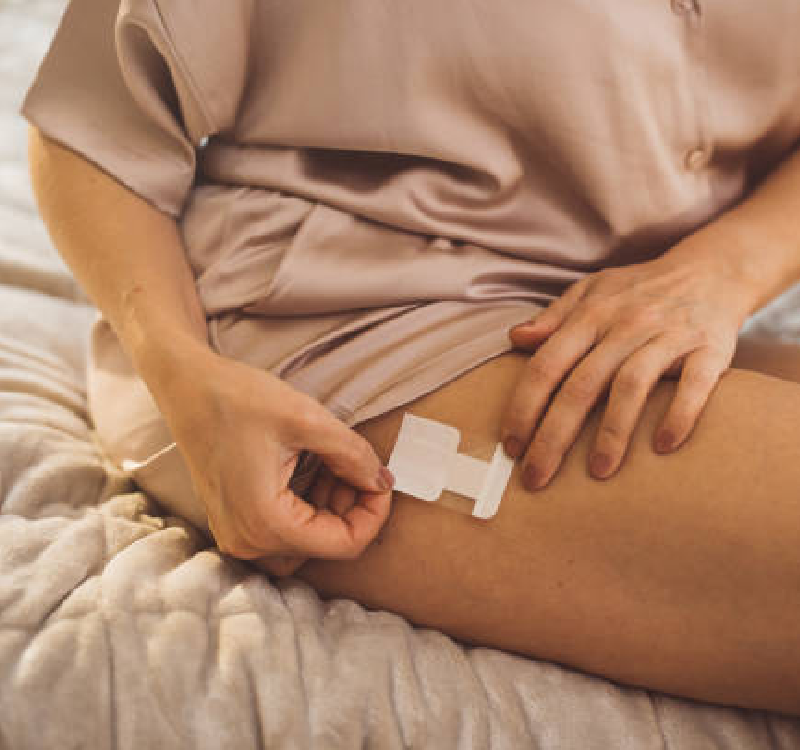
For patients asking about hormone pellets in Henderson , the consultation focuses on making a clear, informed decision: whether pellets are suitable, what benefits are realistic, what side effects need monitoring, and whether another HRT route such as tablets, skin patches, gels, sprays, or local vaginal therapy may be a better fit.
When symptoms are mainly vaginal or urinary, full-body HRT may not always be the right starting point. Local vaginal hormone therapy may be considered for women dealing with vaginal dryness, burning, irritation, painful intimacy, urinary urgency, urinary discomfort, or postmenopause vaginal tissue changes.
At Galleria Women’s Health, Dr. Deepali Kashyap reviews where your symptoms are happening, how long they have been present, whether intimacy or urinary comfort is affected, and whether local treatment may be more suitable than systemic hormone therapy. The goal is to support vaginal and urinary comfort with treatment focused directly on the area of concern.

New York
" I was looking for a way to support my wife during her menopause journey. Dr. Kashyap’s guidance helped both of us understand her needs better. The personalized care and attention she provides is truly remarkable."

England
"I’ve seen countless doctors, but Dr. Kashyap is the first who truly listened and offered a tailored plan. Her blend of medical expertise and compassion helped me feel empowered during a challenging time in my life."

USA
"I had been struggling with menopause symptoms for years, but Dr. Kashyap’s holistic approach gave me the tools to take control of my health. I feel more energized and confident than ever!"
Common indicators include irregular periods, hot flashes, night sweats, mood changes, sleep disturbances, and decreased libido. A consultation with Dr. Deepali Kashyap and targeted hormone testing confirm whether these symptoms are related to the menopausal transition.
Treatment decisions are based on a detailed clinical evaluation, laboratory testing, and discussion of individual goals. Dr. Deepali Kashyap tailors therapy, hormonal or non-hormonal, to each woman’s specific needs, ensuring both safety and effectiveness.
Yes, when prescribed appropriately and monitored regularly. At Galleria Women’s Health, hormone therapy is guided by current international clinical standards, with ongoing follow-up and lab assessments to maintain safety and long-term wellness.
Non-hormonal treatments include medications for mood and thermoregulation, sleep support, and vaginal laser or radiofrequency therapies. These are effective alternatives for women who cannot or choose not to use hormone therapy.
Most women experience relief within a few weeks, though optimal results develop gradually over several months. Follow-up visits help fine-tune the treatment plan for maximum comfort and sustained benefits.
The first follow-up is typically scheduled three months after initiating therapy, with continued assessments every six to twelve months. These visits ensure stable hormone levels, effective symptom control, and overall health monitoring.