
banner banner

GYNECOLOGICAL SERVICES IN HENDERSON, NV

Female Gynecologist & OB-GYN in Henderson, NV

At Galleria Women’s Health in Henderson, NV, we provide comprehensive gynecology care across every stage of life, from teen gynecology and routine reproductive care to evaluation and treatment for menstrual concerns, sexual health, perimenopause and menopause.

  • Menopause Symptoms
  • Irregular Menstrual Cycles
  • Heavy Bleeding
  • Hormonal Imbalances
  • Severe Menstrual Cramps
  • Menstrual Pain
  • Pelvic Pain
  • Pain During Intercourse
  • Vaginal Discharge or Odor
  • Breast Lumps
  • Nipple Discharge
  • Frequent Urination or Discomfort
banner

15+ Years

Women's Healthcare Experience

banner

5,000+

Patients Seen Annually

banner

200+

In-Network Insurance Plans

banner

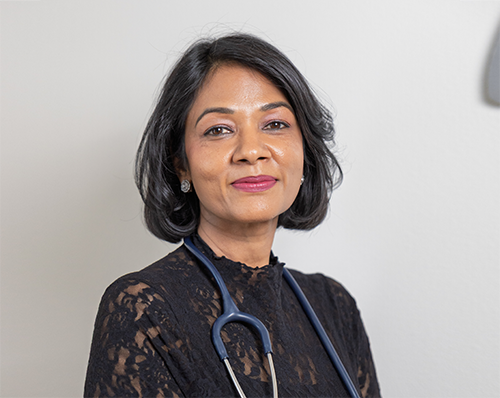
Dr. Deepali Kashyap

Board-Certified OB/GYN & Adolescent Gynecologist

Menopause & Women’s Health Specialist

Meet Dr. Deepali Kashyap, Best Female Gynecologist in Henderson

Dr. Deepali Kashyap, MD, FACOG, MSCP, IFMCP

Dr. Deepali Kashyap is a board-certified OB/GYN and founder of Galleria Women’s Health in Henderson, NV, with more than 15 years of experience supporting women from adolescent and teen gynecology through the reproductive years, perimenopause and menopause. Her expertise includes gynecology, annual women’s exams, irregular periods, pelvic pain, contraception, vaginal concerns and menopause symptoms. She is also a Menopause Society Certified Practitioner (MSCP) and IFM Certified Practitioner, bringing additional expertise to hormonal and midlife health.

Request an Appointment

Complete Gynecology Care
From Screening to Treatment

01. OB-GYN Consultation

Your OB-GYN consultation begins with a private discussion about your symptoms, medical history, menstrual cycle, reproductive health and any changes or concerns you have noticed. This helps Dr. Deepali understand what may need further examination, screening or testing.

  • Review of symptoms and health history
  • Discussion of personal concerns and goals
  • Answers to gynecology and women’s health questions
  • Guidance on the next step in care

02. Screening & Diagnostic Tests

Screening and diagnostic tests may be recommended when they can help evaluate symptoms, identify a possible cause or support preventive gynecology care. The tests you need depend on your age, symptoms, medical history and individual risk factors.

  • Pap smear screening
  • Pelvic ultrasound evaluation
  • Mammogram guidance
  • Review and explanation of results

03. Personalized Gynecology Care Planning

After your evaluation, Dr. Deepali explains the findings and discusses appropriate gynecology treatment options based on your diagnosis, symptoms, stage of life and health priorities. Recommendations may include medication, preventive care, contraception, management of menstrual or pelvic concerns, or treatment for perimenopause and menopause symptoms.

  • Treatment option discussion
  • Medication and test review
  • Preventive women’s health planning
  • Clear next-step guidance

4. Follow-Up & Ongoing Support

Follow-up visits allow your gynecologist to review test results, assess how treatment is working and address new or ongoing symptoms. Your care can be adjusted as your health needs change through different stages of life.


  • Regular follow-up visits
  • Progress and result monitoring
  • Evaluation of new concerns
  • Long-term gynecology support

We Accept Major Insurance Plans*

View Accepted Insurance

*Coverage varies by plan and service. Some tests, scans, procedures, or treatments may require prior authorization.

Gynecology Services & Conditions We Treat

Women’s Health Concerns & Gynecology Services

At Galleria Women’s Health, our gynecology services in Henderson, NV include preventive care, evaluation and treatment for menstrual, hormonal, pelvic, vaginal and reproductive health concerns. Dr. Deepali Kashyap provides care for women at different stages of life, from adolescence through menopause.

banner

Annual Women’s Health Services

  • Annual women’s exams
  • Pap smear and cervical cancer screening
  • Breast health screening
  • Birth control counseling
  • HPV vaccine guidance
  • STI/STD screening
banner

Menstrual & Hormonal Disorders

  • Irregular periods
  • Heavy menstrual bleeding
  • Painful periods
  • PCOS
  • PMS and PMDD
  • Perimenopause symptoms
banner

Vaginal & Urinary Infections

  • Vaginal infections
  • Yeast infections
  • Bacterial vaginosis
  • Urinary tract infections
  • Pelvic inflammatory disease
  • Vaginal discharge or odor
banner

Pelvic Pain & Gynecologic Conditions

  • Ovarian cysts
  • Endometriosis
  • Uterine fibroids
  • Chronic pelvic pain
  • Pain during intercourse
  • Non-gynecologic pelvic pain evaluation
banner

Fertility Evaluation & Referrals

  • Menstrual cycle review
  • Ovulation history
  • Hormonal evaluation
  • Pelvic ultrasound
  • Infertility evaluation
  • Fertility specialist referrals
banner

Urinary Incontinence

  • Bladder history review
  • Pelvic floor assessment
  • Urine testing
  • Treatment planning
  • Urogynecology referrals
banner

In-Clinic Procedures

  • Colposcopy
  • Endometrial biopsy
  • Cyst drainage
  • Pelvic ultrasound
  • IUD insertion/removal
  • Nexplanon insertion/removal
banner

Menopause & Midlife Care

  • Lifestyle support
  • Non-hormonal therapies
  • Hormone replacement therapy
  • Vaginal and sexual health care
  • Bone and heart health screening
  • Brain and mood support
banner

Adolescent Gynecology

  • Puberty education
  • First period counselling
  • Teen menstrual concerns
  • HPV vaccine counselling
  • Safe-sex education
  • Mental health screening
banner

Vulvar Disorders & Pelvic Organ Prolapse

  • Vulvar irritation
  • Burning discomfort
  • Skin changes
  • Pelvic pressure
  • Bulge sensation
  • Pessary support

What to Expect at a Gynecologist Appointment

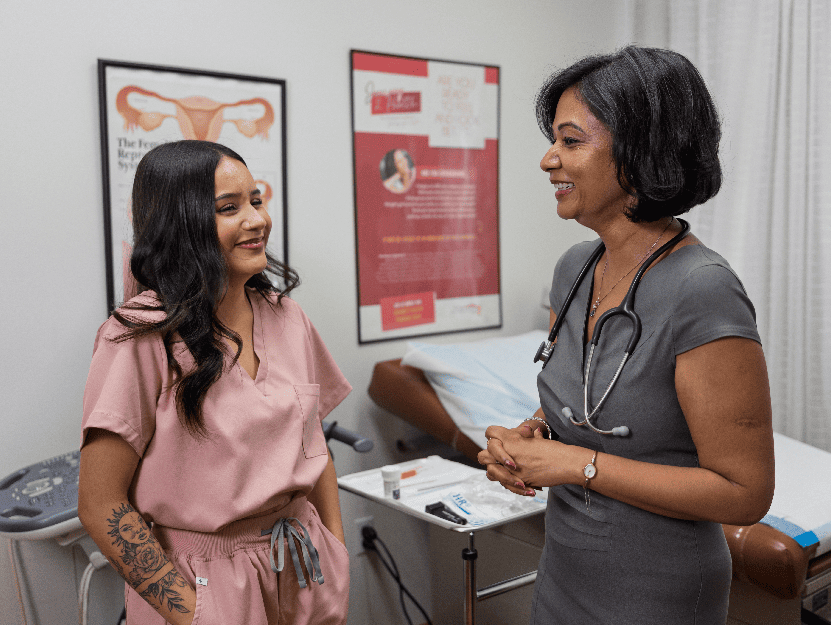
A routine visit with our board-certified gynecologist, Dr. Deepali Kashyap, at Galleria Women’s Health in Henderson, NV, may include a discussion of your symptoms, menstrual and reproductive history, medications and preventive health needs. Depending on your age, symptoms and reason for visiting, she may recommend a pelvic exam, breast exam, Pap smear, infection testing or other evaluation. Each part of your gynecology visit is explained before proceeding so you know what is being checked and why.

  • Discuss your symptoms, concerns and medical history
  • Review menstrual, sexual and reproductive health when relevant
  • Pelvic exam, breast exam or Pap smear when indicated
  • Testing for infections, urinary symptoms or hormonal concerns when needed
  • Review findings and available treatment options
  • Plan follow-up, preventive screening or ongoing women’s health care

Teen & Adolescent Gynecology in Henderson, NV

Get age-appropriate teen gynecology care for period concerns, puberty questions, HPV prevention and menstrual health.

Schedule Your Visit

How We Provide the Best Female
Gynecology Services in Henderson, NV

01

Annual Women’s Health Services at Galleria

Your annual women’s health visit with Dr. Deepali Kashyap is an important part of ongoing gynecology care. As a gynecologist in Henderson, NV, she reviews your current concerns, menstrual and reproductive history, previous screenings, medications and stage of life to decide what preventive care is appropriate for you. Depending on your age and health history, your visit may include cervical cancer screening, breast health review, birth control counseling, HPV guidance, STI screening and other preventive recommendations. The goal is to identify concerns early, keep important screenings up to date and make sure your care continues to match your needs through different stages of life.

Cancer Screening

At Galleria Women’s Health, we personalize cancer screening based on your age, family history, previous results, symptoms and stage of life. Our female gynecologist, Dr. Deepali Kashyap, reviews these factors with you before recommending testing, so your screening plan reflects your individual risk rather than following the same approach for every woman.

During your annual visit, we may recommend:
  • Mammograms: We consider your age, breast history, family history and previous imaging when discussing breast cancer screening.
  • Pap smear and HPV co-testing: We follow cervical cancer screening recommendations while also considering your age, previous results and screening history.
  • Oral and skin cancer checks: We may include these when your medical history, tobacco use, sun exposure or other risk factors make them relevant.
  • Colorectal screening: We help determine when screening should begin and which option may be appropriate based on your age, personal history and family risk.

At our Henderson clinic, we combine preventive gynecology, personalized screening, clear explanation of results and coordinated follow-up when additional imaging or specialist evaluation is needed. With Dr. Deepali’s experience as a board-certified OB/GYN, women can receive continuity of care from routine preventive visits through perimenopause and menopause. These are also important factors to consider when choosing a top-rated gynecologist or good gynecologist for ongoing women’s health care.

Birth Control Counselling

At Galleria Women’s Health, birth control counselling is part of our broader gynecology services for women at different stages of life. Dr. Deepali Kashyap, our female gynecologist in Henderson, reviews your age, medical history, menstrual pattern, current symptoms and reproductive goals before discussing which contraceptive options may be appropriate for you.

Options we may discuss include:
  • Birth control pills, patches and vaginal rings: These may be considered for contraception, cycle regulation and management of menstrual symptoms.
  • Long-acting reversible contraception: Hormonal IUDs such as Mirena and Kyleena, copper IUDs and implants such as Nexplanon may be suitable when you want longer-term pregnancy prevention.
  • Injectable contraception: Options such as Depo-Provera may be considered if you prefer a method that does not require daily use.
  • Changing your current method: If you are experiencing side effects, irregular bleeding or your reproductive plans have changed, we can review whether another method may suit you better.
  • Safety assessment: Before starting or switching contraception, we review your medical history, medications and relevant risk factors.

As part of your visit with our OB/GYN, we explain the benefits, possible side effects and practical differences between available methods so you can make an informed choice based on your health, preferences and future plans.

HPV Vaccination Prescription & Vaccine Guidance

At Galleria Women’s Health, we review your vaccination history as part of preventive care and help you understand which vaccines may be appropriate based on your age, medical history and individual risk factors. Dr. Deepali Kashyap, a women’s health specialist, provides vaccine guidance, prescriptions when appropriate and recommendations on where to receive vaccines, although vaccinations are not administered in our office.

This includes:
  • HPV vaccine prescriptions: We can provide prescriptions for HPV vaccination when appropriate, including for eligible adults up to age 45.
  • Vaccination guidance: We discuss vaccines such as flu, shingles, tetanus and pneumonia based on your age, medical history and preventive health needs.
  • Where to receive vaccines: We can recommend nearby vaccination locations and explain any follow-up that may be needed.
  • Annual vaccination review: We review your vaccination status during routine visits so you know what may be due or need updating.

Vaccination guidance is one part of the preventive women’s care we provide at Galleria, helping you stay informed about recommendations that may change with age, health history and stage of life.

Health Screenings

At Galleria Women’s Health, Dr. Deepali Kashyap reviews your age, symptoms, family history, medications and stage of life before recommending health screenings. As part of your routine OBGYN visit, testing is selected according to your individual risks and current concerns rather than using the same screening panel for every patient.

  • Cholesterol and lipid panels: Used to assess cardiovascular risk, particularly when age, menopause or other risk factors make screening important.
  • Blood pressure and cardiovascular risk: Reviewed to identify changes that may affect your heart and overall health.
  • Thyroid function tests: May be recommended for fatigue, unexplained weight changes, menstrual irregularities or other symptoms that suggest thyroid dysfunction.
  • Blood sugar testing: Glucose-related testing may be considered when PCOS, insulin resistance or other metabolic concerns are present.
  • Bone density testing: DEXA scanning may be recommended when age, menopause status or other factors increase the risk of osteoporosis.
  • Vitamin D testing: Considered when your health history, symptoms or bone-health risks indicate that testing may be useful.
  • Results discussion: Dr. Deepali reviews your findings with you, explains what they mean and discusses whether further evaluation or follow-up is needed.

These screenings complement the professional gynecological services available at Galleria by helping us identify health concerns that may extend beyond reproductive symptoms. When a result needs closer attention, we explain the next step and coordinate additional evaluation or referral when appropriate.

Depression & Emotional Health Screening

At Galleria Women’s Health, we recognize that emotional health can affect sleep, energy, relationships, sexual health and how you feel physically. During a routine visit, our OBGYN doctor, Dr. Deepali Kashyap, may ask about changes in mood, anxiety, stress or emotional well-being when they are relevant to your symptoms or stage of life.

  • Mental health assessment: Tools such as the PHQ-9 may be used when appropriate to identify symptoms of depression or emotional distress.
  • Risk assessment: If your responses raise concerns about depression, severe anxiety or thoughts of self-harm, we address them privately and help determine the appropriate next step.
  • Support options: Support and referral: Depending on your screening results, we may discuss counseling, lifestyle support or referral to a mental health professional for further evaluation.
  • Life-stage considerations: Emotional symptoms may also be discussed alongside menstrual changes, postpartum history, perimenopause or menopause when these factors may be contributing.

Emotional health screening complements the gynecological evaluation we provide by helping us understand symptoms in the context of your overall health rather than considering physical and emotional concerns separately.

STD Screening

At Galleria Women’s Health, STD screening is handled privately, respectfully and without judgment. Dr. Deepali Kashyap, a board-certified OBGYN doctor, reviews your symptoms, sexual history, relationship changes, previous infections and individual risk factors before recommending which tests may be appropriate for you. This helps make screening more relevant to your health rather than relying on the same testing plan for every patient.

  • Swab testing: Testing for chlamydia, gonorrhea and trichomoniasis when your symptoms, age or sexual history indicate a need.
  • Blood testing: HIV, syphilis and hepatitis B or C testing may be recommended based on your individual risk factors and previous screening history.
  • Partner testing guidance: If an infection is identified, we explain when partner testing or treatment may be appropriate and how to reduce the risk of reinfection.
  • Screening frequency: How often you need testing depends on your age, sexual activity, new partners, previous results and personal risk factors.
  • Results and treatment: We review your results with you and discuss treatment, repeat testing or referral when needed.

At our Henderson practice, STD screening can also be considered alongside contraception, vaginal symptoms, menstrual concerns and other reproductive health needs. This broader approach is part of the professional gynecological services we provide, with testing, treatment guidance and follow-up planned around your individual needs.
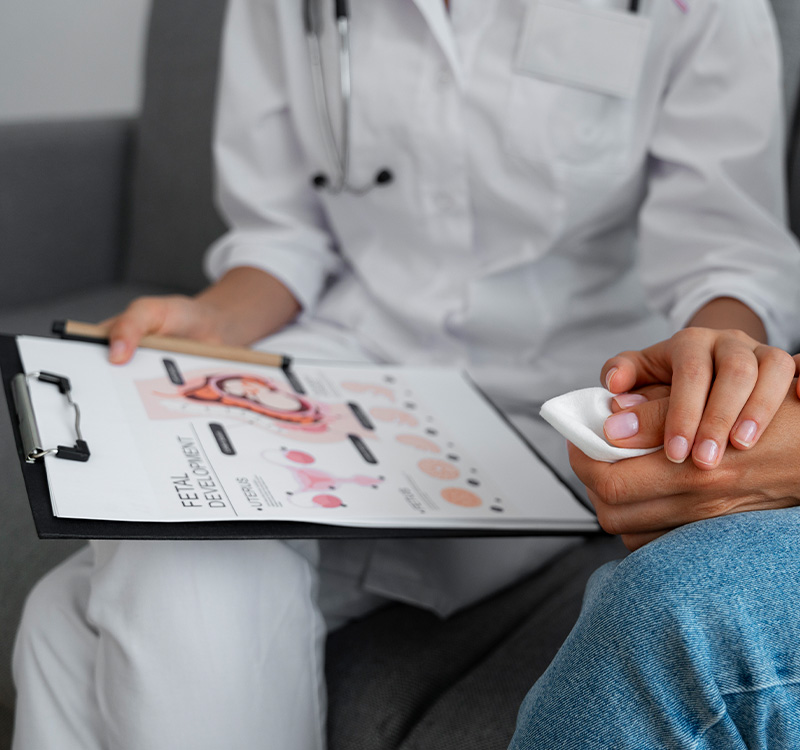
Birth Control Counselling

02

Menstrual & Hormonal Disorders

Changes in your menstrual cycle can be linked to several different causes, from PCOS and thyroid changes to perimenopause and other hormonal shifts. Dr. Deepali Kashyap evaluates your symptoms, cycle pattern, age, medical history and any related concerns before deciding what testing or treatment may be appropriate.

Irregular Periods, Spotting Between Cycles, or Bleeding After Sex

Irregular periods, spotting between cycles or bleeding after sex can have several possible causes, and the pattern of bleeding often provides important clues. At Galleria Women’s Health in Henderson, Dr. Deepali Kashyap provides care for women from Henderson and Las Vegas seeking an experienced top-rated gynecologist for menstrual and hormonal concerns. She reviews your cycle history, age, medications, contraception, associated symptoms and previous health concerns before deciding what testing or treatment may be appropriate.

  • PCOS: Irregular or infrequent ovulation may cause skipped periods, unpredictable cycles or long gaps between periods.
  • Thyroid disorders: Changes in thyroid function can interfere with ovulation and contribute to abnormal menstrual bleeding.
  • Uterine fibroids or cervical polyps: These growths may cause heavier periods, spotting between cycles or bleeding after sex.
  • Infections or cervical inflammation: Vaginal or cervical infections may lead to spotting, unusual discharge, discomfort or bleeding after intimacy.
  • Hormonal changes: Perimenopause, changes in contraception and other hormonal shifts can affect the timing, frequency and flow of your periods.

Depending on your symptoms, we may recommend pregnancy testing, blood work, infection testing, a pelvic examination or pelvic ultrasound to help identify the cause. For women experiencing irregular cycles along with acne, excess hair growth, weight changes or ovulation concerns, Dr. Deepali provides PCOS evaluation and management for patients from Henderson and Las Vegas, making Galleria a convenient option for women looking for a PCOS specialist in Henderson or Las Vegas.

Heavy Periods (Menorrhagia)

Heavy menstrual bleeding may involve periods that last longer than usual, frequent pad or tampon changes, large clots, or symptoms such as fatigue and weakness. At Galleria Women’s Health, Dr. Deepali Kashyap evaluates heavy periods by looking at your bleeding pattern, age, medications, contraception, medical history and other symptoms that may point to the cause. As an experienced OBGYN serving women in Henderson and Las Vegas, she focuses on identifying why the bleeding is happening before discussing treatment.

  • Uterine fibroids: Noncancerous growths that may contribute to heavy or prolonged bleeding, pelvic pressure or discomfort.
  • Adenomyosis: A condition in which tissue similar to the uterine lining grows into the muscular wall of the uterus and can cause heavy, painful periods.
  • Hormonal changes: Changes in ovulation, perimenopause or other hormonal shifts may affect the amount and timing of menstrual bleeding.
  • Thyroid dysfunction: Changes in thyroid function may contribute to heavier, lighter or irregular periods.
  • Bleeding or clotting disorders: Less common conditions that can cause excessive menstrual bleeding and may require additional testing.
  • Other uterine or cervical conditions: Polyps, endometrial changes or other gynecologic conditions may also need to be ruled out.

Depending on your symptoms, we may recommend blood work, a pelvic exam, pelvic ultrasound or other testing to identify the cause. Treatment is then tailored to the underlying condition, the severity of bleeding and your reproductive goals, with ongoing follow-up available through our gynecology services in Henderson and Las Vegas.

Polycystic Ovary Syndrome (PCOS)

PCOS can affect your menstrual cycle, metabolism, skin, hair, fertility and long-term health. At Galleria Women’s Health in Henderson, Dr. Deepali Kashyap provides specialized PCOS evaluation and treatment for women from Henderson and Las Vegas. As a board-certified OB/GYN and women’s health specialist, she looks at menstrual patterns, androgen-related symptoms, metabolic health and reproductive goals together to understand how PCOS is affecting you.
  • Irregular or absent periods: Infrequent or disrupted ovulation can lead to unpredictable cycles, skipped periods or long gaps between periods.
  • Acne or excess facial and body hair: Higher androgen activity may contribute to persistent acne, unwanted hair growth or other skin changes.
  • Weight and metabolic changes: Insulin resistance can affect weight management and may increase long-term metabolic risks.
  • Difficulty with ovulation or fertility: Irregular ovulation can make fertile windows less predictable and may affect conception.
  • Mood, sleep and energy changes: Some women experience emotional or physical changes alongside menstrual and metabolic symptoms.
Your PCOS evaluation and treatment plan may include:
  • Cycle and symptom review: We look at menstrual patterns, acne, hair changes, weight history and other symptoms that may support a PCOS diagnosis.
  • Hormonal and metabolic testing: Blood work may be recommended to assess androgen levels, thyroid function, glucose regulation and other possible causes of your symptoms.
  • Menstrual regulation: Treatment may help improve cycle regularity and protect the uterine lining when periods are infrequent.
  • Metabolic support: Nutrition, physical activity and appropriate medical treatment may be used to address insulin resistance, weight changes and cardiometabolic risk.
  • Ovulation and fertility planning: If pregnancy is a goal, we can discuss cycle tracking, ovulation and appropriate next steps based on your reproductive plans.
  • Long-term monitoring: PCOS can change through different stages of life, so your treatment may be adjusted as your symptoms, metabolic health or fertility goals change.

At our Henderson clinic, PCOS care combines menstrual, hormonal, metabolic and reproductive health management in one plan. Dr. Deepali provides ongoing care for women across Henderson and Las Vegas who need experienced OBGYN specialist support for PCOS and related hormonal concerns.

PMS & PMDD (Premenstrual Mood Disorders)

PMS and PMDD can cause significant mood and physical changes in the days before your period, including irritability, anxiety, low mood, fatigue, sleep changes, food cravings and difficulty concentrating. At Galleria Women’s Health in Henderson, Dr. Deepali Kashyap evaluates the timing and severity of your symptoms, menstrual pattern, medications and overall health to determine whether they are consistent with PMS, PMDD or another condition. Her background as a holistic gynecologist allows her to consider hormonal, lifestyle and metabolic factors alongside standard medical treatment for women from Henderson and Las Vegas. Pasted text

Your evaluation and treatment may include:
  • Cycle-based symptom tracking: Recording mood and physical symptoms across several cycles can help identify whether they consistently occur during the premenstrual phase.
  • Lifestyle and nutrition support: Sleep, regular physical activity, stress management and consistent nutrition may be discussed as part of symptom management.
  • Nutrient review: We may discuss whether nutrients such as calcium, magnesium or other supplements are appropriate based on your diet, symptoms and medical history.
  • Medication options: SSRIs may be considered for moderate to severe PMDD and can be used continuously or during part of the menstrual cycle depending on your symptoms.
  • Hormonal options: Certain hormonal contraceptives may be discussed when appropriate to reduce cyclical symptoms and suppress ovulation.
  • Further evaluation: Thyroid disorders, depression, anxiety and other conditions may need to be considered when symptoms do not follow a clear menstrual pattern.

Our goal is to understand how your symptoms change across the month and how much they are affecting your daily life. At our Henderson clinic, PMS and PMDD treatment is individualized for women from Henderson and Las Vegas, with the plan adjusted according to symptom patterns, treatment response and your personal health needs.

Perimenopause and Cycle Transitions

Perimenopause often begins in the 40s, although some women notice changes earlier. Cycles may become shorter, longer, heavier or less predictable as estrogen and progesterone fluctuate. At Galleria Women’s Health in Henderson, Dr. Deepali Kashyap, a Menopause Society Certified Practitioner, provides specialized perimenopause and menopause care for women from Henderson and Las Vegas. Her experience as a menopause specialist helps distinguish expected cycle changes from symptoms that may need further evaluation.

  • Irregular or changing periods: Cycles may become shorter, longer, heavier, lighter or occasionally skipped.
  • Hot flashes and night sweats: Changes in temperature regulation may begin before periods stop completely.
  • Sleep and mood changes: Insomnia, anxiety, irritability or changes in mood can occur as hormone levels fluctuate.
  • Brain fog and fatigue: Some women notice changes in concentration, memory, energy or mental clarity.
  • Vaginal and sexual health changes: Dryness, discomfort with sex or changes in sexual desire may develop.
  • Other contributing factors: Thyroid disorders, stress, medications and other health conditions can sometimes cause symptoms that overlap with perimenopause.
Your evaluation and treatment may include:
  • Symptom and cycle review: We look at changes in your periods, hot flashes, sleep, mood, sexual health and other symptoms together.
  • Testing when appropriate: Perimenopause is often identified from age, menstrual changes and symptoms. Blood tests such as FSH, estradiol or thyroid testing may be used when the diagnosis is unclear or another condition needs to be ruled out.
  • Lifestyle support: Sleep, nutrition, physical activity, stress management and metabolic health may all be addressed as part of your plan.
  • Hormonal treatment options: Menopausal hormone therapy may be discussed when appropriate based on your symptoms, medical history and individual risks.
  • Non-hormonal options: Medications and other evidence-based strategies may be considered when hormone therapy is not preferred or appropriate.
  • Ongoing follow-up: Treatment can be adjusted as your cycle pattern, symptoms and health needs change throughout the transition.

For women seeking a menopause specialist in Henderson while living in Henderson or the Las Vegas area, Dr. Deepali provides individualized care from early perimenopause through menopause and beyond, with treatment based on your symptoms, medical history and long-term health priorities.
03

Infections: Timely Diagnosis, Targeted Relief

Vaginal, reproductive and urinary infections can cause discharge, odor, itching, burning, pelvic discomfort or painful urination, and similar symptoms may have different underlying causes. At Galleria Women’s Health in Henderson, Dr. Deepali Kashyap reviews your symptoms, medical and sexual history, previous infections and recurring patterns before recommending testing or treatment. Our care for women from Henderson and Las Vegas includes evaluation of vaginal infections, urinary concerns and other gynecological symptoms, with treatment based on the specific cause identified.

Vaginal Infections

Vaginal infections can cause itching, burning, unusual discharge, odor or discomfort, but these symptoms do not always point to the same condition. At Galleria Women’s Health in Henderson, Dr. Deepali Kashyap evaluates the pattern of symptoms, previous infections, sexual history and any recurring concerns before deciding which tests may be needed. This helps distinguish common infections from other vaginal or gynecological conditions that can cause similar symptoms.

We evaluate for:
  • Yeast infections (Candida): May cause intense itching, irritation and thick white discharge.
  • Bacterial vaginosis (BV): Often causes thin gray or white discharge with a noticeable fishy odor, particularly after intercourse.
  • Trichomoniasis: May cause yellow-green or frothy discharge, itching, irritation and discomfort with urination or sex.
  • Ureaplasma and Mycoplasma: Testing may be considered when symptoms are persistent or recurrent and other common causes have not explained them.

Diagnosis may include a pelvic examination and vaginal swab testing based on your symptoms. Women from Henderson and Las Vegas can also discuss recurrent vaginal symptoms with our gyn doctor to determine whether repeat testing, treatment changes or further evaluation are needed.

Urinary Tract Infections (UTIs)

UTIs can cause burning with urination, urgency, frequent urination, pelvic pressure or blood in the urine. At Galleria Women’s Health in Henderson, Dr. Deepali Kashyap evaluates urinary symptoms alongside vaginal health, menopause status, previous infections and urine test results, since bladder symptoms can sometimes overlap with other gynecological conditions.

We evaluate for:
  • Acute UTIs: Sudden burning with urination, urinary frequency, urgency, pelvic pressure or blood in the urine.
  • Recurrent UTIs: Repeated infections may require review of previous urine cultures, treatment response and factors that may be contributing to recurrence.
  • Bladder sensitivity: Urgency, frequency or discomfort may occur even when urine testing does not show a bacterial infection.
  • Menopause-related urinary changes: Lower estrogen levels can affect vaginal and urinary tissues and may contribute to recurrent urinary symptoms.
  • Pelvic floor or bladder concerns: When symptoms suggest a more complex bladder or pelvic floor condition, further evaluation or referral to a uro gynecologist may be appropriate.

Evaluation usually includes urinalysis and urine culture. If symptoms persist, repeatedly return or do not match the urine test findings, we may recommend additional testing based on the pattern of your symptoms.

Prevention strategies may include:
  • Vaginal estrogen after menopause: May be considered when appropriate to support vaginal and urinary tissue health.
  • UTI prevention options: Preventive strategies may be discussed based on your health history and recurrence pattern.
  • Hydration and bladder habits: Practical changes may help reduce urinary irritation and recurrent symptoms.
  • Pelvic floor support: Pelvic floor therapy or additional evaluation may be considered when muscle tension or incomplete bladder emptying contributes to symptoms.

At our Henderson clinic, recurrent urinary symptoms are evaluated in the context of vaginal health, menopause and other gynecological concerns, helping women from Henderson and Las Vegas understand whether the problem is a recurrent infection or another condition causing similar symptoms.

Pelvic Inflammatory Disease (PID)

Pelvic inflammatory disease is an infection of the upper reproductive organs that can develop when bacteria from the vagina or cervix spread upward. At Galleria Women’s Health in Henderson, Dr. Deepali Kashyap provides evaluation for women with pelvic pain, abnormal discharge, pain during sex or other gynecological symptoms that may suggest PID. As a board-certified gynecologist, Dr. Deepali also looks for other possible causes of pelvic pain before confirming the diagnosis.

Symptoms may include:
  • Lower abdominal or pelvic pain: Persistent or intermittent pain that may become more noticeable over time.
  • Pain during intercourse: Discomfort or deeper pelvic pain with sexual activity.
  • Abnormal vaginal discharge: New, unusual or foul-smelling discharge may occur with infection.
  • Fever or fatigue: Systemic symptoms may appear when infection or inflammation becomes more significant.
  • Bleeding between periods: Some women may notice spotting or bleeding outside their usual cycle.

Evaluation may include a pelvic examination, STI testing, vaginal or cervical swabs, pregnancy testing and additional testing or imaging when needed to distinguish PID from other gynecological conditions.

Management may involve:
  • Antibiotics: Treatment usually involves antibiotics chosen to cover the bacteria commonly associated with PID.
  • Pelvic rest: Avoiding sexual activity until treatment is completed and symptoms have resolved may be recommended.
  • Partner evaluation: Testing or treatment of sexual partners may be advised when an STI is involved.
  • Follow-up care: We monitor symptoms and may recommend repeat testing or imaging if pain persists or complications are suspected.

Prompt treatment is important because untreated PID can increase the risk of chronic pelvic pain, fertility problems and other reproductive complications. Our Henderson clinic provides ongoing gynecology care for women from Henderson and Las Vegas, with follow-up based on the severity of infection, treatment response and reproductive health needs.

Breast Infections (Mastitis and Abscesses)

Breast pain, redness, swelling or a new tender lump can be worrying, especially when symptoms develop quickly. At Galleria Women’s Health in Henderson, our female gynecologist, Dr. Deepali Kashyap, evaluates these changes personally to determine whether they are related to mastitis, a blocked milk duct, a breast abscess or another breast condition. We also consider breastfeeding, postpartum changes, previous breast problems and any associated fever or nipple changes before deciding what treatment or testing is needed.

Signs that may need evaluation include:
  • Breast redness, warmth or swelling: Inflammation may affect one area of the breast and become increasingly painful or tender.
  • Fever, chills or body aches: These can accompany mastitis or another breast infection and may require prompt treatment.
  • A painful lump or firm area: A blocked duct, localized inflammation or developing abscess may cause a persistent tender area.
  • Nipple or skin changes: Cracking, drainage, increasing redness or other visible changes may help identify the source of the problem.
  • Symptoms that are not improving: Persistent pain, swelling, fever or a breast lump should be evaluated rather than assumed to be routine mastitis.
Depending on your evaluation, we may recommend:
  • Antibiotics: When a bacterial breast infection is suspected or confirmed.
  • Breastfeeding and milk-drainage guidance: We review feeding or pumping patterns when poor milk drainage may be contributing to symptoms.
  • Pain and comfort measures: Appropriate pain relief and warm or cool compresses may help manage tenderness and inflammation.
  • Breast ultrasound: Imaging may be recommended when an abscess, persistent lump or another breast condition needs to be ruled out.
  • Abscess drainage: A confirmed abscess may require drainage and additional follow-up.
  • Lactation or breast specialist support: We coordinate additional care when breastfeeding difficulties or persistent breast findings require specialist input.

At our Henderson clinic, women from Henderson and Las Vegas receive the kind of attentive, coordinated care often expected from the city's top-rated gynecologist, clear explanations, appropriate testing and follow-up based on how symptoms respond to treatment. For women who prefer a female gynecologist for breast and reproductive health concerns, Dr. Deepali provides continuity of care within the same women’s health practice.

Vaginal Infections

04

Pelvic Pain

Pelvic pain may be linked to ovarian cysts, endometriosis, fibroids, infections or other pelvic conditions. At Galleria Women’s Health in Henderson, Dr. Deepali Kashyap reviews the location, timing and pattern of your pain along with menstrual, urinary, digestive or sexual symptoms to guide the right gynecology evaluation for women from Henderson and Las Vegas.

Ovarian Cysts

Ovarian cysts are common fluid-filled sacs that develop on or within the ovaries. Some cause no symptoms, while others may lead to one-sided pelvic pain, pressure, bloating or discomfort. At Galleria Women’s Health in Henderson, Dr. Deepali Kashyap, a board-certified obstetrician-gynecologist, evaluates ovarian cyst symptoms and uses pelvic ultrasound when needed to determine whether a cyst can be monitored or requires treatment.

  • Symptoms: Sudden or sharp pain on one side, pelvic pressure, fullness, bloating or discomfort during certain activities.
  • Evaluation: Pelvic ultrasound and symptom review help assess the cyst’s size, appearance and whether additional testing is needed.
  • Treatment: Small or uncomplicated cysts may be monitored, while persistent, large or symptomatic cysts may require medication, repeat imaging or surgical management.
  • Follow-up: Repeat ultrasound or review may be recommended to track changes in the cyst and make sure symptoms are improving.

With board-certified care, personalized evaluation and appropriate imaging when needed, Galleria Women’s Health is a trusted option for women from Henderson and Las Vegas looking for a top-rated OBGYN clinic for ovarian cysts and other pelvic health concerns.

Endometriosis

Endometriosis occurs when tissue similar to the lining of the uterus grows outside the uterus and can lead to persistent pelvic pain, painful periods and fertility concerns. At Galleria Women’s Health in Henderson, Dr. Deepali Kashyap evaluates and treats endometriosis based on your symptoms, menstrual history, pain pattern and reproductive goals. Dr. Deepali Kashyap’s expertise also includes assessing how the condition may be affecting fertility, sexual health and day-to-day quality of life, making her one of the best OBGYNs in Las Vegas and Henderson for personalized endometriosis care.

  • Symptoms: Severe period pain, deep pelvic pain, pain during intercourse, discomfort with bowel movements, heavy bleeding or difficulty becoming pregnant.
  • Evaluation: Your assessment may include a detailed review of symptoms and cycle patterns, a pelvic examination and imaging. Laparoscopy may be considered when confirmation of the diagnosis is necessary.
  • Treatment: Options may include hormonal treatment, menstrual suppression, pain management or surgical treatment depending on the severity of symptoms and response to previous care.
  • Fertility planning: When pregnancy is a goal, treatment decisions also take fertility and future reproductive plans into account.

Dr. Deepali Kashyap’s personalized approach to endometriosis care, with attention to pain, fertility and long-term reproductive health, makes Galleria Women’s Health a trusted women’s health clinic in Nevada for patients from Henderson and the greater Las Vegas area.

Uterine Fibroids

Uterine fibroids are noncancerous growths that develop within or around the uterus and can affect periods, pelvic comfort and fertility. At Galleria Women’s Health in Henderson, Dr. Deepali Kashyap evaluates fibroid symptoms based on your bleeding pattern, pelvic pressure, age, reproductive plans and how much the symptoms are affecting daily life. Dr. Deepali Kashyap’s background as an obstetrician-gynecologist is especially relevant when fibroids affect both symptom control and future fertility.

  • Symptoms: Heavy or prolonged periods, pelvic pressure or fullness, painful periods, discomfort during sex, urinary or bowel pressure, and fertility concerns.
  • Evaluation: Pelvic examination and ultrasound may be used to determine the number, size and location of fibroids and whether they are likely to be causing your symptoms.
  • Treatment: Depending on your symptoms and goals, options may include medications to control bleeding, hormonal treatment or procedures such as myomectomy or uterine artery embolization when appropriate.
  • Fertility planning: If pregnancy is a current or future goal, the size and location of fibroids are considered when discussing treatment options.

Not every fibroid needs treatment. The decision depends on whether it is causing heavy bleeding, pressure, pain, anemia or fertility problems, and whether preserving the uterus or future pregnancy is important to you.

When Pain Isn’t Gynaecologic

Not all pelvic pain comes from the reproductive organs. At Galleria Women’s Health in Henderson, Dr. Deepali Kashyap also considers urinary, gastrointestinal and pelvic floor causes when symptoms do not clearly fit a gynecologic pattern. This broader evaluation helps avoid overlooking another condition that may be contributing to persistent pelvic discomfort.

  • Gastrointestinal issues: IBS, constipation, bowel inflammation or other digestive conditions can sometimes cause pain that feels pelvic in origin.
  • Urinary problems: Recurrent UTIs, bladder irritation or interstitial cystitis may cause pressure, urgency or pain that overlaps with gynecologic symptoms.
  • Pelvic floor tension: Tight or overactive pelvic floor muscles can contribute to chronic pelvic pain, painful intercourse or difficulty with bladder and bowel function.

When the symptoms point outside routine gynecology, we explain what may be contributing to the pain and whether additional testing, pelvic floor therapy or referral to another specialist is appropriate.
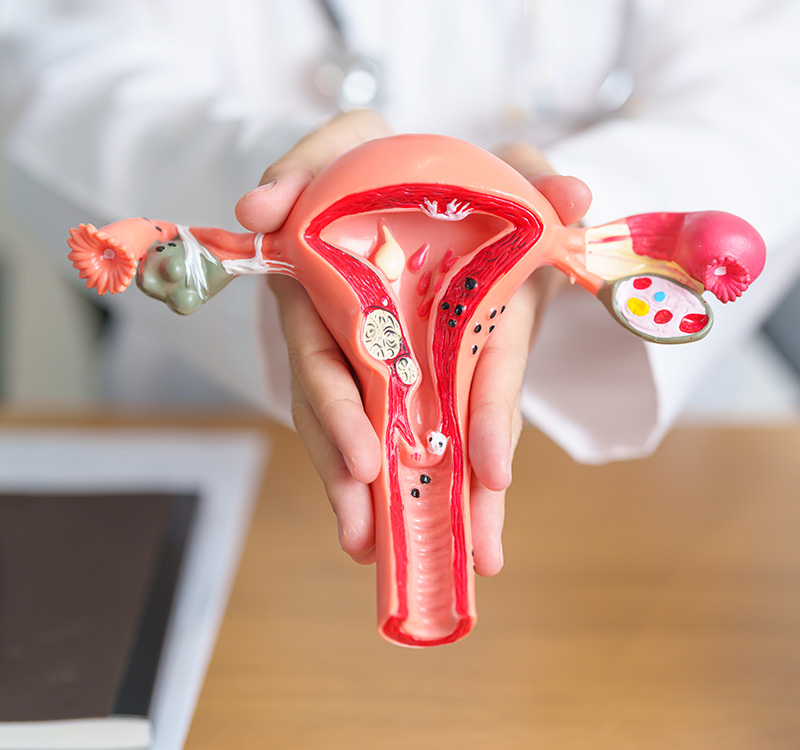
Ovarian Cysts

05

Infertility Evaluation & Referrals

Trying to conceive without success can raise questions about ovulation, menstrual cycles, hormonal health and other possible factors. At Galleria Women’s Health in Henderson, Dr. Deepali Kashyap provides an initial fertility evaluation to understand what may be affecting conception and what the next step should be. During your OBGYN visit, we review your cycle history, ovulation patterns, previous pregnancies, medical history and reproductive goals before recommending testing or a fertility specialist referral when needed.

What We Assess

Fertility concerns rarely come down to a single factor. At Galleria Women’s Health in Henderson, Dr. Deepali Kashyap provides an initial fertility assessment as part of comprehensive gynecology care, reviewing menstrual, hormonal, structural and partner-related factors that may be affecting conception.

  • Cycle and ovulation history: Menstrual regularity, cycle length and signs of ovulation can help identify whether ovulatory dysfunction may be contributing to difficulty conceiving.
  • Hormonal testing: Tests such as FSH, AMH, thyroid function and prolactin may be considered when clinically appropriate to evaluate ovarian reserve and hormonal factors that can affect fertility.
  • Pelvic ultrasound: Ultrasound can assess the ovaries and uterus and identify concerns such as fibroids, ovarian cysts or other structural changes that may influence fertility.
  • Hysterosalpingogram (HSG): An HSG may be recommended to determine whether the fallopian tubes are open and to assess the shape of the uterine cavity.
  • Partner’s semen analysis: Fertility evaluation should also consider male-factor causes. Semen analysis assesses sperm concentration, movement and morphology.

Dr. Deepali Kashyap’s experience as an obstetrician-gynecologist helps determine whether the next step should involve continued evaluation within our Henderson women’s clinic or referral to a reproductive endocrinology and infertility specialist for more advanced fertility treatment.

What Happens Next

Once the initial evaluation is complete, Dr. Deepali Kashyap discusses the next step based on your test results, ovulation pattern, age and reproductive goals. At Galleria Women’s Health, the aim is to make the transition from gynecology evaluation to fertility treatment or specialist referral clear and coordinated.

  • Timed intercourse or ovulation support: When appropriate, cycle timing or ovulation support may be discussed to improve the chances of conception.
  • Referral to a fertility specialist: If treatments such as intrauterine insemination (IUI), in vitro fertilization (IVF) or more advanced fertility care are needed, we coordinate referral to a reproductive endocrinology and infertility specialist.
  • Further testing: Additional evaluation may be recommended if the initial results do not fully explain the difficulty conceiving.
  • Fertility preservation and planning: Depending on your age, medical history and future goals, we may also discuss egg preservation or other reproductive planning options.
  • Lifestyle and preconception guidance: Nutrition, medications, smoking, alcohol use, weight, supplements and other factors that may affect fertility can also be reviewed.

Dr. Deepali Kashyap is a board-certified OBGYN who evaluates fertility concerns alongside menstrual health, hormonal conditions and other reproductive factors, with referral for advanced fertility treatment when needed.
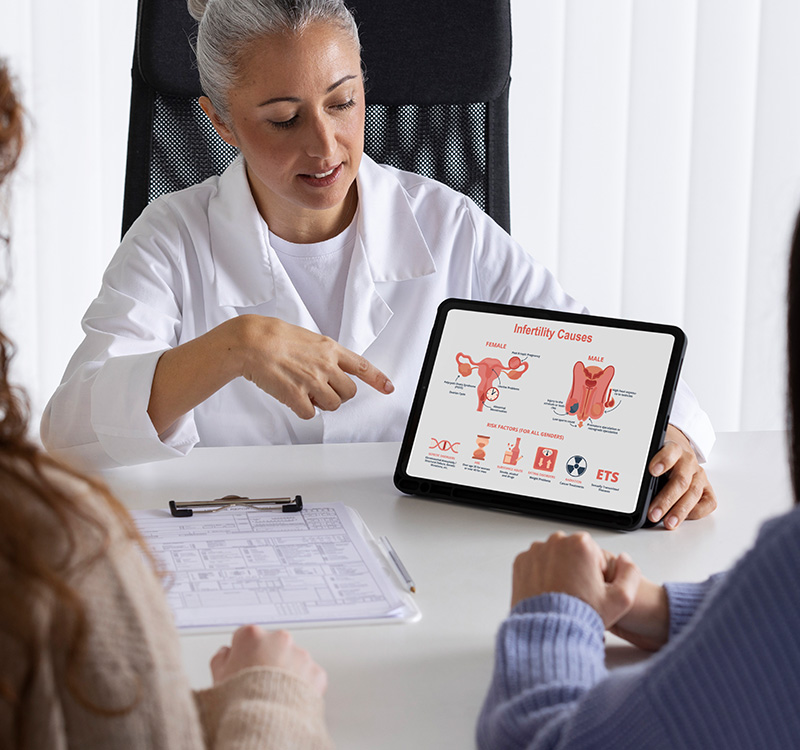
What We Assess

06

Urinary Incontinence

Urinary incontinence is common, but leaking urine with coughing, exercise, urgency or everyday activity should not automatically be accepted as a normal part of aging. At Galleria Women’s Health in Henderson, Dr. Deepali Kashyap evaluates when leakage occurs, what triggers it and whether menopause, pelvic floor changes, previous pregnancies, medications or other gynecological and urinary concerns may be contributing.

The first step is identifying the type of incontinence and what is driving it. From there, we can discuss bladder habits, pelvic floor support, lifestyle changes and appropriate treatment options. When symptoms suggest a more complex bladder or pelvic floor disorder, Dr. Deepali can also coordinate referral to a uro gynecologist when needed.

Our Evaluation Includes

  • Detailed symptom and bladder history: We review when leakage happens, how often it occurs, what tends to trigger it and how much it affects exercise, sleep, work or everyday activities.
  • Physical examination and pelvic floor assessment: When appropriate, Dr. Deepali Kashyap evaluates pelvic floor strength, vaginal tissue changes and pelvic support that may be contributing to urinary leakage.
  • Review of contributing factors: Menopause, childbirth history, previous pelvic surgery, medications and hormonal changes are considered because each can influence bladder function.
  • Urine testing when needed: Testing may be recommended to rule out infection, blood in the urine or irritation that may be worsening bladder symptoms.

This evaluation helps Dr. Deepali distinguish between stress, urge, mixed and other patterns of urinary incontinence before deciding on treatment. At Galleria Women’s Health, bladder concerns are considered alongside pelvic, hormonal and reproductive health as part of broader women’s care, rather than being treated as an isolated symptom.

Treatment Options

Treatment depends on the type of urinary incontinence, how often symptoms occur and how much they affect daily life. At Galleria Women’s Health, Dr. Deepali Kashyap develops treatment around your symptoms, pelvic floor findings, menopausal status and personal preferences. Dr. Deepali Kashyap’s expertise in women’s health helps bring bladder, pelvic floor and menopausal changes into the same clinical picture when deciding on treatment.

  • Pelvic floor therapy: We may recommend pelvic floor physical therapy to strengthen and retrain the muscles that support the bladder and urethra, which can improve control in some types of incontinence.
  • Pessary fitting: For women with bladder prolapse or stress incontinence, a vaginal pessary may provide physical support without the need for surgery.
  • Pessary fitting: For stress incontinence or pelvic organ prolapse, a vaginal pessary may provide additional support without surgery.
  • Medications: Certain medications may be considered for urgency, overactive bladder or frequent leakage depending on the underlying pattern.
  • Vaginal estrogen: For some postmenopausal women, low-dose vaginal estrogen may help improve vaginal and urinary tissue health when appropriate.
  • Specialist referral: If symptoms require surgical treatment or more advanced bladder evaluation, we can coordinate referral for procedures such as sling surgery or pelvic floor repair.

Dr. Deepali Kashyap provides personalized gynecologic care focused on reducing leakage, improving bladder control and supporting better day-to-day comfort. Urinary symptoms are considered alongside your broader pelvic and reproductive health needs rather than treated as an isolated concern.

Our Evaluation Includes

Diagnostic & Minor Surgical Procedures

Some gynecological concerns need more than a routine exam to identify the cause. At Galleria Women’s Health in Henderson, Dr. Deepali Kashyap performs selected diagnostic and minor procedures as part of comprehensive gynecology care, allowing evaluation, treatment and follow-up to remain coordinated within the same clinic whenever appropriate.

  • Colposcopy: If a Pap or HPV test shows abnormal findings, Dr. Deepali examines the cervix more closely using magnification. A biopsy may be taken if an area requires further evaluation.
  • Endometrial biopsy: For heavy, irregular or postmenopausal bleeding, a small sample of the uterine lining may be collected and sent for laboratory analysis to investigate abnormal endometrial changes.
  • Incision and drainage of cysts: Painful vulvar or vaginal cysts, including certain Bartholin cysts, may be drained in the clinic under local anesthesia when clinically appropriate.
  • Pelvic ultrasound: Ultrasound may be used to investigate pelvic pain, abnormal bleeding, ovarian cysts, fibroids or selected fertility concerns and help determine the next step in care.

Dr. Deepali Kashyap’s experience in obstetrics and gynecology allows these findings to be reviewed alongside your symptoms, menstrual history and reproductive health. When further treatment is needed, our OBGYN care continues with clear follow-up, monitoring or referral based on the diagnosis.

Therapies & Supportive Procedures

Not every gynecologic concern requires medication or surgery. At Galleria Women’s Health, some concerns can be managed with an in-clinic procedure, contraceptive device or targeted supportive treatment. Dr. Deepali Kashyap discusses each option according to your symptoms, stage of life and treatment goals so you understand what the procedure involves and why it may be appropriate.

  • IUD Insertion & Removal: Hormonal and copper IUDs such as Mirena, Liletta, Kyleena and Paragard are available for women considering long-term contraception or changing their current birth-control method. Dr. Deepali explains the differences between options, what insertion involves and what to expect afterward.
  • Nexplanon Implant Insertion & Removal: Nexplanon is a contraceptive implant placed beneath the skin of the upper arm. Placement and removal can be performed in the clinic, with guidance on expected bleeding changes, side effects and when replacement may be needed.
  • Hormone Pellet Therapy: Hormone pellets may be considered for selected women with menopause-related symptoms after reviewing medical history, current symptoms and treatment preferences. Dr. Deepali discusses pellet therapy alongside other hormone therapy options so you can compare the available approaches before making a decision.
  • Vaginal Rejuvenation with ThermiVa: ThermiVa uses radiofrequency energy and may be discussed for concerns involving vaginal dryness, tissue changes, sexual wellness or mild urinary symptoms. Suitability depends on the specific concern being treated and your overall health history.
  • AY – “Awaken Yourself” PRP Therapy: This treatment uses platelet-rich plasma and is offered for selected vaginal and sexual health concerns. Dr. Deepali discusses the available evidence, expected outcomes and alternative options before treatment is considered.
  • Pessary Insertion & Removal: A pessary can provide mechanical support for pelvic organ prolapse and may also help certain women with stress urinary incontinence. Proper sizing, placement, removal and follow-up are handled at the clinic.

Dr. Deepali Kashyap’s OBGYN expertise brings contraception, menopause, pelvic support and sexual health treatments together within one practice, with each procedure selected according to the specific concern, symptoms and treatment goals. This allows our gynecology care to stay coordinated without treating each issue as a separate problem.
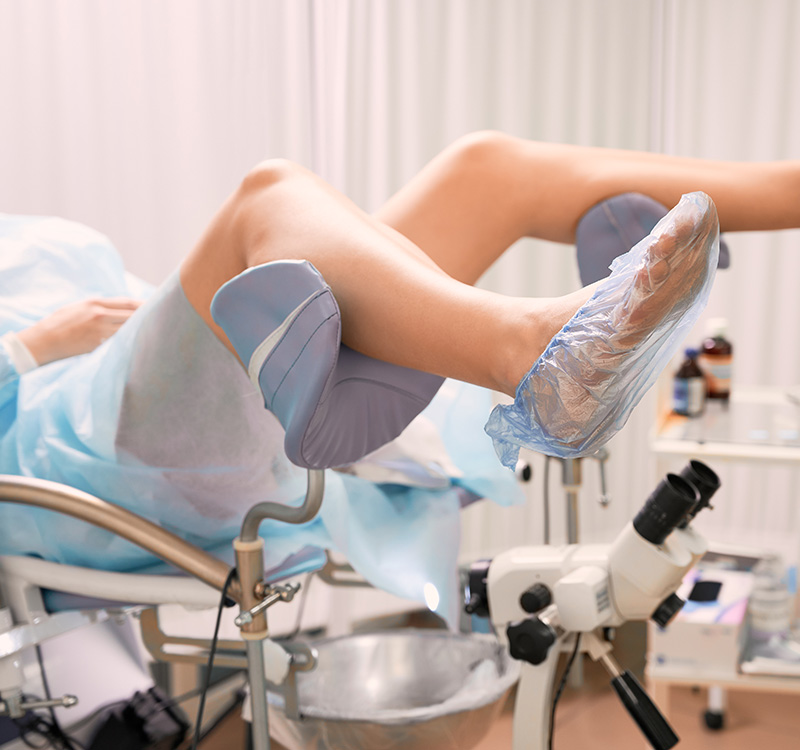
Diagnostic & Minor Surgical Procedures

07

In-Clinic Procedures at Galleria Women’s Health

At Galleria Women’s Health in Henderson, many common gynecological procedures can be completed in the clinic, allowing evaluation, treatment and follow-up to stay within the same setting whenever appropriate. Dr. Deepali Kashyap performs selected procedures directly at the clinic, which can make care more convenient and reduce the need for separate appointments elsewhere.

Before any procedure, we explain why it is being recommended, what to expect, possible discomfort or risks, and what follow-up may be needed afterward. This keeps your gynecology care clear, coordinated and focused on the specific concern being treated.

08

Menopause & Midlife Care

Menopause can affect far more than periods. Hot flashes, sleep changes, mood changes, vaginal dryness, sexual health, bone health and metabolic changes may all become part of the picture during perimenopause and menopause. At Galleria Women’s Health in Henderson, our approach to midlife care considers your symptoms, medical history, risk factors and personal priorities together rather than treating each concern separately.

Dr. Deepali Kashyap is a menopause specialist and Menopause Society Certified Practitioner (MSCP), with additional expertise as a board-certified OB/GYN. At our Henderson clinic, Dr. Deepali provides menopause care for women from Henderson and the Las Vegas area, including evaluation of bothersome symptoms, discussion of hormonal and non-hormonal treatment options, preventive screening and planning for long-term bone, sexual and metabolic health.

Lifestyle & Foundational Care

Lifestyle changes can play an important role in how you feel during perimenopause and menopause, especially when they are matched to your symptoms, health history and long-term goals. At Galleria Women’s Health, Dr. Deepali Kashyap incorporates nutrition, movement, sleep and stress management into menopause care when these measures are appropriate alongside medical treatment.

  • Nutrition: We focus on balanced eating patterns built around vegetables, fruits, whole grains, adequate protein, healthy fats and other nutrient-dense foods that support cardiovascular, metabolic and bone health during midlife.
  • Movement and strength training: Weight-bearing exercise, resistance training and aerobic activity can help maintain muscle, support bone density, improve cardiovascular fitness and assist with healthy weight management.
  • Stress management: Breathing exercises, mindfulness, relaxation practices and other stress-reduction strategies may help improve coping, mood and overall well-being when menopause symptoms feel disruptive.
  • Sleep support: Sleep habits are reviewed alongside night sweats, hot flashes, stress, medications and other factors that may be interfering with restorative sleep.

Dr. Deepali Kashyap’s approach to women’s health looks beyond symptom control alone. These foundational measures are used to support bone, metabolic, cardiovascular and emotional health through midlife while additional menopause treatments are considered according to each woman’s needs.

Targeted Natural & Nutraceutical Support

Some women prefer to explore non-hormonal options alongside lifestyle changes or medical treatment during menopause. At Galleria Women’s Health, supplements are considered according to your symptoms, medications, medical history and treatment goals rather than used as a one-size-fits-all alternative to hormone therapy.

  • Herbal options: Supplements such as black cohosh, red clover or maca may be discussed for symptoms such as hot flashes or mood changes, although the quality of evidence and individual response can vary.
  • Sleep and nervous system support: Magnesium and selected nutrients may be considered when sleep disturbance, stress or mood symptoms are part of the menopause picture.
  • Bone and nutritional support: Vitamin D, calcium and other nutrients may be recommended when dietary intake, bone health or laboratory findings indicate a need.
  • Omega-3 and metabolic support: Omega-3 fatty acids and other targeted nutrients may be considered as part of a broader plan for cardiovascular, metabolic and overall midlife health.

Because supplements can interact with medications and are not appropriate for every woman, Dr. Deepali reviews them in the context of your complete health history. With menopause specialist Dr. Deepali Kashyap, nutraceutical support is used selectively and alongside evidence-based menopause care, not as a replacement for appropriate medical evaluation or treatment.

Non-Hormonal Prescription Therapies

Hormone therapy is not the only way to manage menopause symptoms. At Galleria Women’s Health, Dr. Deepali Kashyap may recommend non-hormonal prescription options when hormones are not suitable, are not preferred, or when a particular symptom may respond better to another treatment. As part of a broader gynecological evaluation, we consider symptom severity, medical history, current medications and individual risk factors before choosing an option.

  • SSRIs and SNRIs: Certain medications in these groups can reduce hot flashes and may also be useful when mood symptoms occur alongside menopause.
  • Gabapentin: This may be considered when hot flashes or night sweats are particularly disruptive, including when sleep is affected.
  • Other non-hormonal prescription options: Depending on your symptoms and health history, additional medications for vasomotor symptoms may be discussed when appropriate.
  • Sleep and mood support: When insomnia, anxiety or mood changes are significant, treatment is selected according to the underlying concern rather than using the same medication strategy for every woman.
  • Vaginal comfort without hormones: Vaginal moisturizers and lubricants can help reduce dryness and discomfort for women who prefer or need a non-hormonal approach.

At Galleria Women’s Health, our board-certified OBGYN doctor, Dr. Deepali Kashyap, considers hot flashes, sleep, mood, vaginal symptoms and other midlife concerns together when discussing treatment. This allows hormonal and non-hormonal options to be compared within the context of your overall gynecologic health and personal treatment preferences.

Hormone Replacement Therapy (HRT)

Hormone therapy can be highly effective for bothersome hot flashes, night sweats and other menopause symptoms, but the right formulation, dose and route depend on your medical history and individual risk factors. At Galleria Women’s Health, Dr. Deepali Kashyap reviews your symptoms, health history, whether you have a uterus, previous treatments and personal preferences before discussing HRT. Our female gynecologist also explains the potential benefits, limitations and risks so treatment decisions are made with a clear understanding of the available options.

  • Transdermal estrogen: Estradiol patches, gels or sprays deliver estrogen through the skin and may be preferred for some women based on their individual health profile.
  • Progesterone: If you have a uterus and use systemic estrogen, progesterone or another progestogen is generally needed to protect the endometrium from excessive stimulation.
  • Local vaginal therapy: Low-dose vaginal estrogen or vaginal DHEA may be considered for vaginal dryness, burning, painful intercourse and other symptoms of genitourinary syndrome of menopause, with relatively low systemic exposure.
  • Testosterone: Testosterone therapy may be considered for carefully selected postmenopausal women with persistent hypoactive sexual desire disorder after other contributing factors have been evaluated. It is not routinely prescribed simply to increase energy.
  • Individualized dosing and follow-up: Treatment is selected according to symptoms, age, time since menopause, medical history and risk factors. Follow-up allows us to review symptom response, side effects and whether the treatment plan still fits your needs.

Dr. Deepali Kashyap combines menopause expertise with her obstetrician gynecologist background, allowing HRT decisions to account for vaginal health, sexual health, bleeding patterns and long-term preventive care. At our Henderson clinic, hormone therapy is individualized rather than based on a single hormone level or a standard regimen for every woman.

Vaginal & Sexual Health Therapies

Menopause can affect vaginal comfort, lubrication, tissue quality and sexual function, but these changes do not need to be dismissed as something you simply have to live with. At Galleria Women’s Health, Dr. Deepali Kashyap evaluates concerns such as dryness, burning, painful intercourse, reduced sensation and pelvic floor changes before discussing treatment.

  • ThermiVa: Radiofrequency therapy may be considered for selected women with vaginal tissue changes, dryness or mild urinary symptoms. Suitability depends on the specific concern and overall health history.
  • PRP therapy: Platelet-rich plasma may be offered for selected sexual wellness and vaginal health concerns after discussing the available evidence, expected outcomes and alternatives.
  • Vaginal estrogen or DHEA: Local hormonal treatment may help improve vaginal dryness, irritation and painful intercourse associated with genitourinary syndrome of menopause.
  • Pelvic floor therapy: Pelvic floor exercises or referral for pelvic floor physical therapy may help when muscle weakness, tension, prolapse symptoms or discomfort during intercourse are contributing to symptoms.

Dr. Deepali Kashyap’s gynecologist expertise allows vaginal and sexual health concerns to be considered alongside menopause symptoms, pelvic floor changes and urinary complaints rather than treated in isolation. At our Henderson clinic, treatment is selected around the specific symptom causing discomfort and the option that best fits your health history and preferences.

Bone Health & Cardiovascular Screening

Menopause can affect both bone density and cardiovascular risk, so midlife care should look beyond symptom control alone. At Galleria Women’s Health, Dr. Deepali Kashyap reviews bone, metabolic and heart-health risk factors alongside your menopause history to identify where screening, prevention or further evaluation may be needed.

  • Bone density screening: A DEXA scan may be recommended based on age, fracture risk, menopause timing, medication history and other osteoporosis risk factors.
  • Cardiometabolic testing: Cholesterol, blood pressure, blood sugar and other relevant markers may be reviewed to assess cardiovascular and metabolic risk during midlife.
  • Nutritional assessment: Calcium, vitamin D, protein intake and other nutritional factors are considered when discussing long-term bone and muscle health.
  • Lifestyle review: Exercise, strength training, sleep, smoking, alcohol use and other habits are reviewed because they can influence both bone and cardiovascular health.

Dr. Deepali Kashyap is a women’s health specialist who incorporates bone health, cardiovascular risk and metabolic changes into menopause and midlife care. This allows preventive screening to address long-term health risks alongside current symptoms, helping women make informed decisions about their health beyond the menopause transition.

Brain, Mood & Emotional Support

Menopause can affect concentration, memory, mood, anxiety levels and emotional well-being, particularly when symptoms such as poor sleep or frequent hot flashes are also present. At Galleria Women’s Health, Dr. Deepali Kashyap evaluates these changes in the context of your overall menopause health rather than treating brain fog or mood symptoms as isolated concerns.

  • Cognitive concerns: Changes such as brain fog, forgetfulness or difficulty concentrating are reviewed alongside sleep quality, stress, medications and other menopause symptoms.
  • Mood evaluation: Irritability, anxiety, low mood and emotional changes are discussed to understand their severity, pattern and effect on daily life.
  • Depression and anxiety screening: Standard screening tools may be used when symptoms suggest depression or anxiety that needs closer evaluation.
  • Counseling and therapy referrals: When additional mental health support would be beneficial, we can coordinate referral for counseling or therapy.
  • Medication and nutritional support: Depending on your symptoms and medical history, treatment may include prescription medication, nutritional support or other appropriate options.

Dr. Deepali Kashyap is an OBGYN specialist who considers mood, cognition, sleep and hormonal changes together during menopause care. This makes it easier to identify which symptoms may be related to the menopause transition and which may need additional evaluation or treatment.

Targeted Natural & Nutraceutical Support

First Period Counseling & Puberty Education

A first period can bring a lot of questions, especially when cycles are new and still changing. At Galleria Women’s Health, Dr. Deepali Kashyap provides age-appropriate education that helps teens understand what is normal during puberty, what changes to expect and when a symptom deserves medical attention.

  • What a normal period may look like: We explain typical cycle length, bleeding patterns, cramping and the irregularity that can occur during the first years after menstruation begins.
  • Managing cramps, bleeding and mood changes: Teens receive practical guidance for period discomfort, heavier days and emotional changes, along with advice on when symptoms may need further evaluation.
  • When cycles may become more regular: We discuss how menstrual cycles can take time to settle after the first period and which patterns should not simply be ignored.
  • Pads, tampons and menstrual cups: We explain how different menstrual products are used, including comfort, hygiene and safety considerations.
  • Puberty and hormonal changes: Physical changes, acne, breast development, body hair, vaginal discharge and mood shifts are discussed in clear, age-appropriate language.

As part of our adolescent gynecology services, these visits are designed to give teens accurate information early so they can understand their bodies, ask questions comfortably and recognize when they may need additional gynecology care.

Early Menstrual Irregularities

Irregular cycles are common during the first few years after periods begin, but very heavy bleeding, severe cramps, long gaps between periods or symptoms that interfere with school and daily life deserve a closer look. At Galleria Women’s Health, Dr. Deepali Kashyap evaluates these changes through adolescent gynecology, considering the teen’s age, cycle pattern, symptoms, medical history and stage of development before deciding whether testing is needed.

  • Hormonal and thyroid testing: Blood tests may be recommended when the menstrual pattern or other symptoms suggest thyroid dysfunction, anemia or a hormonal condition.
  • Pelvic ultrasound: Imaging may be used when ovarian cysts, uterine abnormalities or another structural cause is suspected. It is not automatically required for every irregular cycle.
  • Evaluation for PCOS or endometriosis: Persistent irregular periods, excess hair growth, acne, severe menstrual pain or other concerning symptoms may lead to further evaluation for conditions such as PCOS or endometriosis.
  • Cycle and symptom management: Treatment may include pain relief, management of heavy bleeding, lifestyle changes or hormonal medication when clinically appropriate.

Dr. Deepali Kashyap provides teen gynecology care that distinguishes expected menstrual changes during adolescence from patterns that may signal an underlying condition. Early evaluation can reduce unnecessary worry while making sure symptoms that need treatment are not overlooked.

HPV Vaccination Counseling

HPV vaccination is an important part of preventive care during adolescence because it can protect against the types of human papillomavirus most commonly linked to cervical cancer, genital warts and several other HPV-related cancers. At Galleria Women’s Health, Dr. Deepali Kashyap discusses vaccination as part of routine adolescent gynecology and preventive care, helping teens and parents understand when it is recommended and why timing matters.

  • Prescription and access support: Although the vaccine is not administered in our clinic, we can help guide you on where to receive it and provide any supporting documentation or prescription if needed.
  • Age-appropriate education: We explain what HPV is, how the vaccine works and why it is most effective when given before exposure to the virus.
  • Timing and dosing: Dr. Deepali reviews the recommended vaccination schedule based on age and previous doses so families know what is still needed.
  • Protection against HPV-related disease: Counseling covers the vaccine’s role in lowering the risk of cervical cancer, genital warts and other cancers associated with HPV.

In our teen gynecology services, HPV counseling is focused on clear information and early prevention so families can make informed decisions without confusion or pressure.

Mental Health Screening

Adolescence can bring changes in mood, confidence, body image and stress levels, and these concerns may sometimes surface during a routine gynecology visit. At Galleria Women’s Health, Dr. Deepali Kashyap creates space for teens to talk openly about emotional changes while also reviewing the physical and hormonal factors that may be affecting overall well-being.

  • PHQ-9 screening: A brief questionnaire may be used when there are signs of persistent low mood or depression that warrant closer evaluation.
  • Stress and anxiety: School pressure, relationships, sleep problems and other sources of stress can be discussed openly during the visit.
  • Body-image concerns: Puberty, weight changes, acne and physical development may affect self-esteem, making supportive and age-appropriate conversation important.
  • Mental health referrals: When symptoms require more specialized support, we can connect families with an appropriate therapist, counselor or mental health professional.

Dr. Deepali Kashyap is a women’s health specialist who considers emotional well-being alongside menstrual, hormonal and physical development during adolescent visits. When additional support is needed, Dr. Deepali can guide families toward the appropriate mental health professional while continuing to address the gynecologic concerns being managed at Galleria Women’s Health.

Education on Body Changes

Puberty can bring changes that feel unfamiliar or sometimes worrying, especially when teens are unsure what is considered normal. During visits at Galleria Women’s Health, Dr. Deepali Kashyap explains these changes in clear, age-appropriate language and gives teens an opportunity to ask questions privately and without embarrassment.

  • Breast development: Teens can ask about breast growth, asymmetry, tenderness and other changes that commonly occur during puberty, as well as symptoms that should be checked by our female gynecologist.
  • Vaginal discharge: We explain how normal discharge can change throughout the menstrual cycle and when odor, itching, pain or an unusual color may indicate an infection or another concern.
  • Body hair, odor, acne and skin changes: Hormonal changes can affect hair growth, sweating and skin. Practical guidance can help teens understand what is expected and when further evaluation may be appropriate.
  • Recognizing changes that need attention: Persistent pelvic pain, very heavy bleeding, unusual vaginal symptoms, breast lumps or other concerning changes should be discussed rather than ignored.

The aim is not simply to list what happens during puberty, but to help teens understand their own bodies well enough to recognize normal development and know when something deserves medical attention.

Birth Control Education & Safe-Sex Counseling

Questions about contraception, relationships and sexual health can be difficult for teens to raise. At Galleria Women’s Health, Dr. Deepali Kashyap provides clear, age-appropriate counseling so teens can understand their options, ask questions comfortably and make informed decisions about their reproductive health.

  • Safe-sex practices: We discuss practical ways to reduce the risk of sexually transmitted infections and unintended pregnancy, including consistent barrier protection and appropriate testing.
  • Condom use and STI prevention: Teens receive guidance on correct condom use, STI prevention and when screening may be appropriate.
  • Contraceptive options: Pills, patches, IUDs, implants and other birth-control methods are explained in terms of how they work, effectiveness, side effects and what may fit an individual teen’s needs.
  • Consent and personal boundaries: Counseling includes respectful relationships, consent, communication and the right to make informed decisions about one’s own body.
  • Hormonal effects: Dr. Deepali explains how some contraceptive methods may affect bleeding patterns, acne, cramps or mood so teens know what changes to expect.
  • Confidentiality and family involvement: Parents can be included in discussions when appropriate, while confidential care is handled within applicable legal and safety guidelines.

Dr. Deepali Kashyap provides this counseling as part of comprehensive gynecology care, helping teens understand contraception, STI prevention and reproductive health without judgment or pressure.

Screening for Infections (When Appropriate)

Infection screening is based on symptoms, sexual history, age and individual risk rather than performed automatically at every visit. At Galleria Women’s Health, Dr. Deepali Kashyap provides discreet evaluation and testing when a teen has symptoms, is sexually active or has another reason that makes screening appropriate.

  • STI screening: Testing may include chlamydia, gonorrhea, trichomoniasis, HIV or syphilis depending on symptoms, history and current screening recommendations.
  • HPV and herpes education: Teens receive clear information about HPV vaccination, STI prevention, transmission and when testing or further evaluation may be needed.
  • Urinary and vaginal infections: Symptoms such as burning, unusual discharge, itching, odor or urinary discomfort can be evaluated for conditions such as urinary tract infections or yeast infections.
  • Confidential testing and counseling: Testing is handled privately and respectfully, with confidentiality maintained within applicable legal and safety requirements.

Dr. Deepali Kashyap provides infection screening as part of broader OBGYN care, so symptoms can be considered alongside menstrual health, contraception and other reproductive concerns rather than treated separately.

First Period Counseling & Puberty Education

09

Adolescent Gynecology

The teenage years can bring new questions about periods, puberty, vaginal health, contraception and changing hormones. At Galleria Women’s Health in Henderson, Dr. Deepali Kashyap provides adolescent gynecology care in a setting where teens and young women can speak openly, understand what is happening in their bodies and receive age-appropriate guidance without feeling rushed or judged.

Visits may address irregular or painful periods, heavy bleeding, delayed or early puberty, vaginal concerns, HPV prevention, contraception, acne and other reproductive health questions. Dr. Deepali explains what parts of the visit are necessary, when an examination or testing may be needed, and what teens can expect before anything is done.

10

Preconception Counseling

Preparing for pregnancy often starts before a positive pregnancy test. At Galleria Women’s Health in Henderson, Dr. Deepali Kashyap provides preconception counseling to review the factors that may influence fertility, pregnancy health and early fetal development before you begin trying to conceive.

Your visit may include a review of menstrual cycles, previous pregnancies, medical conditions, medications and supplements, vaccination history, family history and lifestyle factors. Dr. Deepali may also discuss prenatal vitamins and folic acid, appropriate health screenings, management of existing conditions and whether any additional testing is needed before pregnancy.

As a board-certified obstetrician gynecologist, Dr. Deepali helps women from Henderson and the Las Vegas area enter pregnancy with important health concerns identified and addressed in advance. Our preconception care is designed to give you a clearer plan for what to do before trying to conceive and when additional fertility or specialist evaluation may be appropriate.

During Your Consultation, We’ll Cover

  • Medical and family history: We review menstrual cycles, previous pregnancies, chronic conditions, medications, surgeries and family history that may affect fertility or pregnancy risk.
  • Nutrition and prenatal supplements: Guidance may include folic acid, iron, vitamin D and other nutrients that are important before and during early pregnancy.
  • Lifestyle factors: Sleep, exercise, stress, alcohol use, smoking and other habits are discussed in relation to fertility and pregnancy health.
  • Vaccinations and pre-pregnancy testing: Dr. Deepali may review immunity, recommended vaccines, infection screening, genetic considerations and whether any medications should be adjusted before conception.
  • Fertility awareness and timing: We discuss menstrual cycles, ovulation and timing of intercourse, along with when a fertility evaluation may be appropriate if conception does not occur as expected.

Dr. Deepali Kashyap is an experienced obstetrician-gynecologist who uses preconception visits to identify medical, reproductive and lifestyle factors that may affect pregnancy before conception occurs. Whether you are ready to try now or planning ahead, the consultation gives you a clearer plan for improving pre-pregnancy health and addressing concerns early.
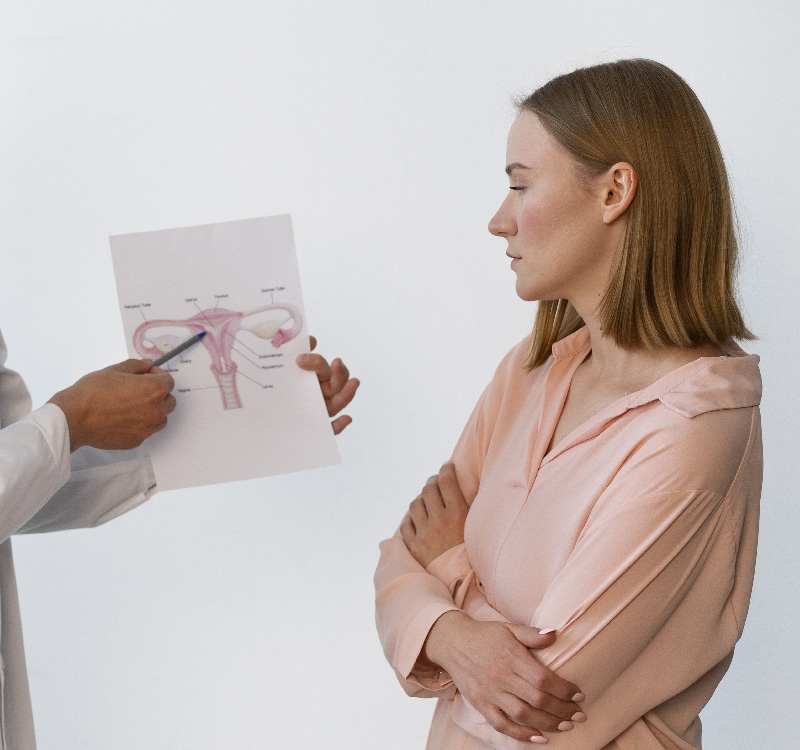
During your consultation, we’ll cover

During Your Consultation, We’ll Cover

Vulvar symptoms can come from infections, blocked glands, inflammatory skin conditions, hormonal changes or other causes, so treatment starts with identifying what is actually happening. Dr. Deepali Kashyap evaluates the appearance, location and pattern of symptoms before deciding whether testing, treatment or biopsy is needed.

  • Bartholin’s cysts: Fluid-filled cysts near the vaginal opening may become painful or infected. Incision and drainage may be recommended when a cyst is symptomatic, recurrent or forms an abscess.
  • Simple cysts and blocked follicles: Ingrown hairs, clogged glands and small superficial cysts can cause localized swelling, tenderness or irritation.
  • Vulvar or vestibular pain: Burning, tenderness or pain with touch or intimacy may be associated with skin conditions, hormonal changes, pelvic floor dysfunction or increased nerve sensitivity.
  • Genital warts: HPV-related lesions can be evaluated and managed with appropriate topical treatment, in-office care or referral when removal is needed.
  • Recurrent infections: Persistent yeast infections, bacterial conditions and other causes of vulvar irritation are investigated rather than repeatedly treated without confirmation.
  • Suspicious skin changes: Discoloration, thickening, persistent sores, texture changes or other abnormal areas may require closer evaluation for conditions such as vulvar dysplasia or vulvar cancer.

Evaluation may include a visual examination, swabs or other testing, and a biopsy when clinically indicated. Dr. Deepali Kashyap is a female gynecologist who provides discreet, nonjudgmental evaluation for vulvar symptoms, making it easier to discuss sensitive concerns while ensuring persistent or unusual changes receive appropriate medical attention.
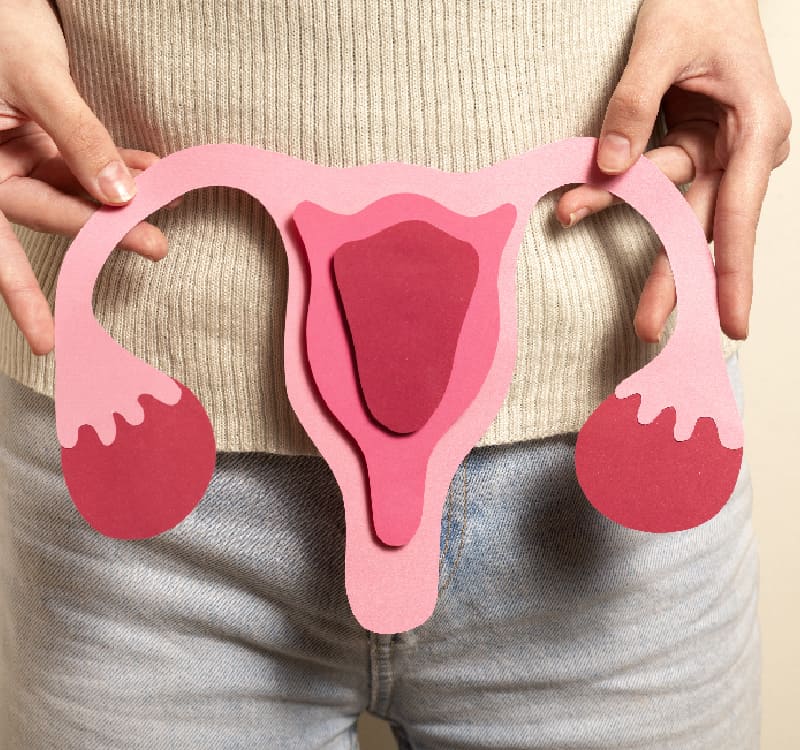
Conditions We Commonly Treat

11

Vulvar Disorders

Vulvar itching, burning, swelling, pain or visible skin changes can have several causes, and symptoms are often mistaken for a simple infection. At Galleria Women’s Health in Henderson, Dr. Deepali Kashyap evaluates vulvar disorders with a careful review of symptoms, skin changes, hygiene products, medications, menopause status and previous treatments before recommending the next step.

Common concerns may include recurrent irritation, vulvar dermatitis, cysts, infections, painful lesions, lichen sclerosus or changes related to menopause. Dr. Deepali’s gynecology evaluation focuses on identifying the underlying cause rather than repeatedly treating symptoms without a clear diagnosis.

Our goal is to make these concerns easier to discuss and easier to investigate, with examination, testing, treatment or specialist referral based on what is actually causing the symptoms.

12

Pelvic Organ Prolapse

Pelvic organ prolapse develops when the muscles and connective tissues supporting the bladder, uterus, rectum or vaginal walls weaken, allowing one or more pelvic organs to drop lower than usual. Symptoms can range from mild pressure to a noticeable vaginal bulge, urinary leakage, bowel changes or discomfort with activity.

At Galleria Women’s Health in Henderson, Dr. Deepali Kashyap evaluates the type and severity of prolapse along with childbirth history, menopause status, pelvic floor strength and how much the symptoms are affecting daily life. Treatment may include pelvic floor therapy, pessary support, vaginal estrogen when appropriate, lifestyle changes or referral for surgical management if symptoms are more advanced.

Dr. Deepali Kashyap is an OBGYN specialist who manages prolapse alongside urinary, vaginal and pelvic floor concerns rather than treating each symptom separately.

Treatment Options

Treatment for pelvic organ prolapse depends on which organs are affected, how far the prolapse has progressed and how much it interferes with bladder function, bowel movements, exercise, intimacy or everyday comfort. Dr. Deepali Kashyap begins with a pelvic examination and a detailed discussion of your symptoms before recommending treatment.

  • Pelvic floor physical therapy: Strengthening and retraining the pelvic floor muscles may improve support, pressure and bladder symptoms, particularly in mild to moderate prolapse.
  • Pessary fitting and management: A removable silicone pessary can support the pelvic organs without surgery. Dr. Deepali can assist with fitting, placement, removal and follow-up to make sure the device remains comfortable and effective.
  • Vaginal estrogen: For appropriate postmenopausal women, low-dose vaginal estrogen may improve vaginal tissue health and comfort, particularly when dryness or irritation is also present.
  • Referral to urogynecology: Specialist referral: More advanced prolapse or symptoms that do not improve with conservative treatment may require evaluation by a urogynecology specialist for procedures such as hysteropexy, colporrhaphy or other reconstructive options.

As your gynecologist, Dr. Deepali can manage many prolapse concerns conservatively within Galleria Women’s Health and coordinate specialist care when surgery becomes the more appropriate option. The focus is on restoring comfort and function while choosing the least invasive treatment that adequately addresses your symptoms.


Treatment Options
Testimonials

Patient Experiences and Success Stories

Faq

Frequently Asked Questions

  • What does a gynecologist do?

    A gynecologist evaluates and treats conditions involving menstrual health, the uterus, ovaries, cervix, vagina, vulva, pelvic floor and other aspects of reproductive and sexual health. Gynecology care may include annual women’s health visits, Pap and HPV screening, birth control, period concerns, pelvic pain, infections, infertility evaluation and menopause care.

  • What is the difference between a gynecologist and an OB-GYN?

    A gynecologist focuses on reproductive and gynecologic health, while an OB-GYN is trained in both obstetrics and gynecology. At Galleria Women’s Health, Dr. Deepali Kashyap is a board-certified OB/GYN providing gynecology care in Henderson for women from Henderson and the Las Vegas area.

  • When should I go to a gynecologist?

    You do not need to wait until something feels seriously wrong. A gynecologist can help with preventive care as well as irregular or painful periods, pelvic pain, vaginal symptoms, birth control, sexual health, fertility concerns, urinary symptoms and menopause.

  • Do I need a pelvic exam at every gynecology visit?

    No. Whether you need a pelvic exam depends on your symptoms, medical history, age and reason for the visit. Dr. Deepali discusses what examination is appropriate before proceeding.

  • Is a Pap smear the same as a pelvic exam?

    No. A pelvic exam evaluates the pelvic organs, while a Pap test collects cells from the cervix for cervical cancer screening. A Pap test may be performed during a pelvic exam when screening is due, but they are not the same procedure.

  • Can I go to the gynecologist while I’m on my period?

    Yes, in many cases you can still attend your appointment while you are menstruating. Whether bleeding affects a particular test or procedure depends on the reason for your visit. If you have very heavy bleeding or are scheduled for cervical testing or an in-office procedure, contact our clinic before your appointment.

  • When should a teenager first see a gynecologist?

    A first gynecology visit during adolescence can focus on periods, puberty, HPV prevention, menstrual concerns and reproductive health education. An internal pelvic exam is not automatically required and is generally considered only when symptoms or another medical reason make it necessary.

  • When are irregular periods a reason to see an OBGYN doctor?

    Irregular periods should be evaluated when they become unusually heavy, occur very frequently, stop for several cycles, cause significant pain or suddenly change from your normal pattern. Conditions such as PCOS, thyroid disorders, fibroids, pregnancy-related changes and perimenopause may affect menstrual cycles.