Menopause Treatment: A Complete, Personalized Guide from a Menopause Specialist
A patient asked me last month, sitting across from me with a list of questions on her phone: "Dr. Kashyap, just tell me , what's the best treatment for menopause?" I get this question almost every single day, and my answer is always the same: there is no single best treatment, because there is no single woman sitting in that chair. There's a teacher who can't get through a staff meeting without a hot flash. There's a mother of three who hasn't slept through the night in two years. There's a woman who buried her own mother last spring and hasn't felt like herself since. Each of them needs something different from me.
There are many effective options , hormonal, non-hormonal, lifestyle-based, natural, and procedural, but the right plan depends on your symptoms, your age, your medical history, your risk factors, and your goals. Menopause care is not about handing every woman the same prescription. It is about matching the right treatment to the right woman at the right time.
That is the philosophy behind how I practice menopause medicine. Menopausal hormone therapy is not just a pill or a patch — it is a process. Your symptoms change. Your risks change. Your body composition, sleep, stress, sexual health, and long-term health priorities change. A plan that works at 48 may need to be adjusted at 52, 58, or 65.
In this guide, I'll walk you through the major menopause treatment options I discuss with patients every day , the same way I discuss them in the room, including the real conversations and the real patients (details changed to protect privacy) who taught me how to practice this kind of medicine.
Menopause Treatment at a Glance
|
Concern
|
Treatment Options to Discuss
|
|
Hot flashes and night sweats
|
Menopausal hormone therapy is the most effective option for many eligible women. Non-hormonal options such as fezolinetant, elinzanetant, and low-dose paroxetine may be considered when hormones are not appropriate or preferred.
|
|
Vaginal dryness, painful sex, or recurrent UTIs
|
Local vaginal estrogen is often first-line for genitourinary syndrome of menopause. Other options include vaginal DHEA, ospemifene, moisturizers, lubricants, and pelvic floor therapy.
|
|
Sleep disruption
|
Treat night sweats if they are the trigger. Lifestyle changes, stress regulation, CBT-I, micronized progesterone in selected women, and non-hormonal sleep treatments may be considered.
|
|
Bone protection
|
Weight-bearing exercise, resistance training, calcium, vitamin D, DEXA-guided screening, hormone therapy in appropriate candidates, and osteoporosis medications when indicated.
|
|
Weight gain and belly fat
|
Strength training, adequate protein, sleep repair, stress reduction, alcohol/sugar reduction, metabolic evaluation, and selected medical therapies when appropriate.
|
|
Low libido or sexual discomfort
|
Treat vaginal pain/dryness first. Testosterone may be considered for carefully diagnosed hypoactive sexual desire disorder in postmenopausal women.
|
|
Foundation of every plan
|
The six pillars of health: nutrition, movement, sleep, stress regulation, relationships, and environmental/lifestyle risk reduction.
|
|
Dr. Kashyap's approach
|
A personalized framework: lifestyle as the foundation, then treatment options in order — evidence-informed supplements → non-hormonal options → hormone therapy when appropriate.
|
How I Actually Build a Menopause Treatment Plan: Lifestyle Foundation + Treatment Options
Most menopause visits go like this: you describe your symptoms, you leave with a prescription. I've built my practice around a different model , one that treats menopause as a dynamic state of neuroendocrine recalibration, not just an estrogen deficiency. That means the treatment plan starts before we open the prescription pad.
Lifestyle as the foundation, then treatment options in order:
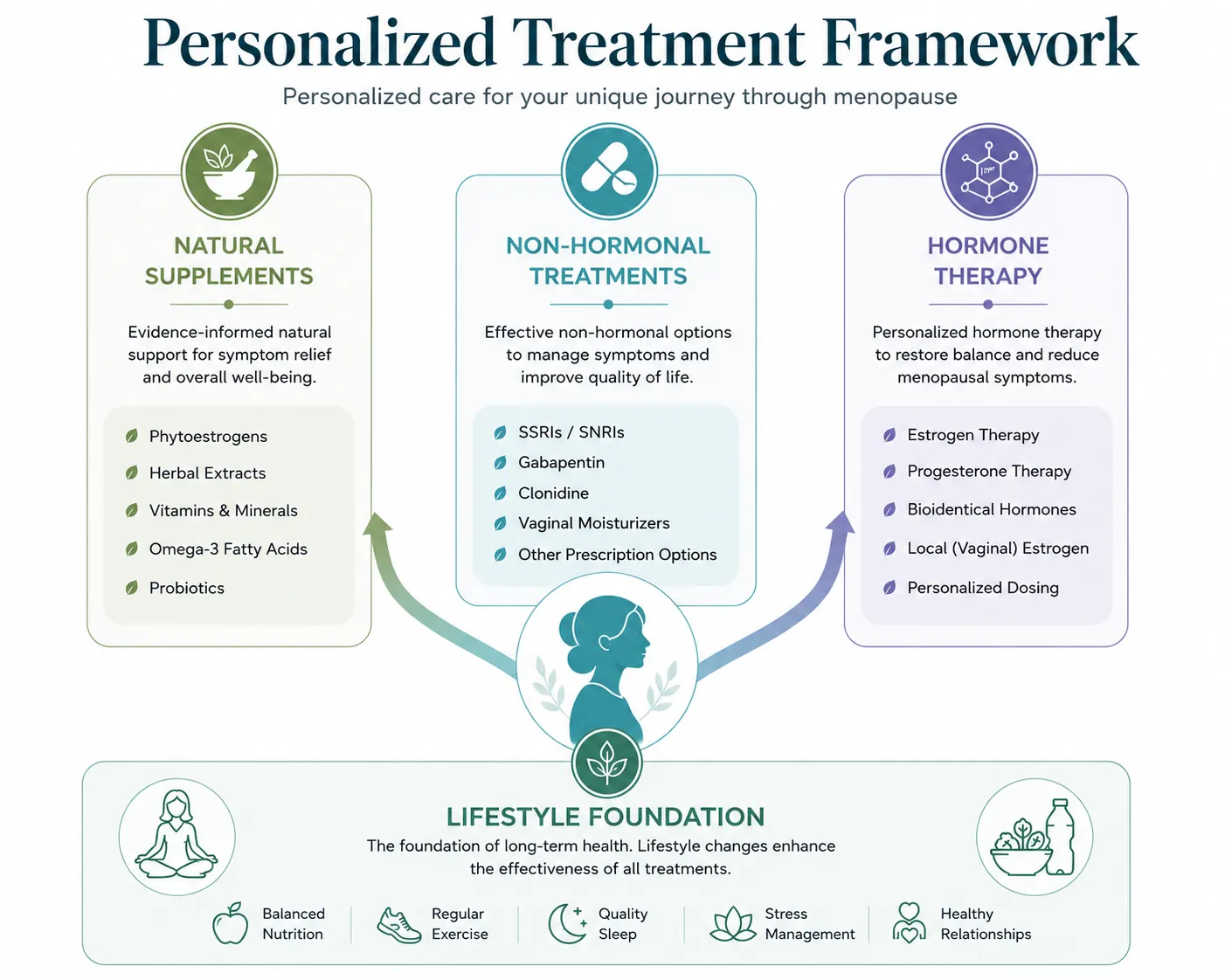
Figure 1. Personalized Menopause Treatment Framework
- Foundation — The Six Pillars of Health (stress, nutrition, sleep, movement, relationships, environment) . always first, always foundational
- Option 1 — Natural supplements and herbal support — when clinically appropriate and evidence-informed
- Option 2 — Non-hormonal prescription treatment — FDA-approved options for women who can't or won't use hormones
- Option 3 — Hormone therapy — the most effective tool we have, used when indicated, delivered correctly
|
DR. KASHYAP'S TIP
Before your first menopause appointment, write down your three most disruptive symptoms and rate them 1–10. Then note your sleep, stress level, exercise habits, and what you're eating. This context turns a 15-minute visit into a real treatment conversation.
|
Foundation: Lifestyle — The Base That Makes Everything Else Work
I'm a hormone specialist, and I still spend more time on lifestyle than on prescriptions. Lifestyle is not a side note in menopause care. It shapes sleep, insulin resistance, inflammation, muscle, bone, mood, weight, and how intensely symptoms show up. Here's how each part of the lifestyle foundation connects to your treatment.
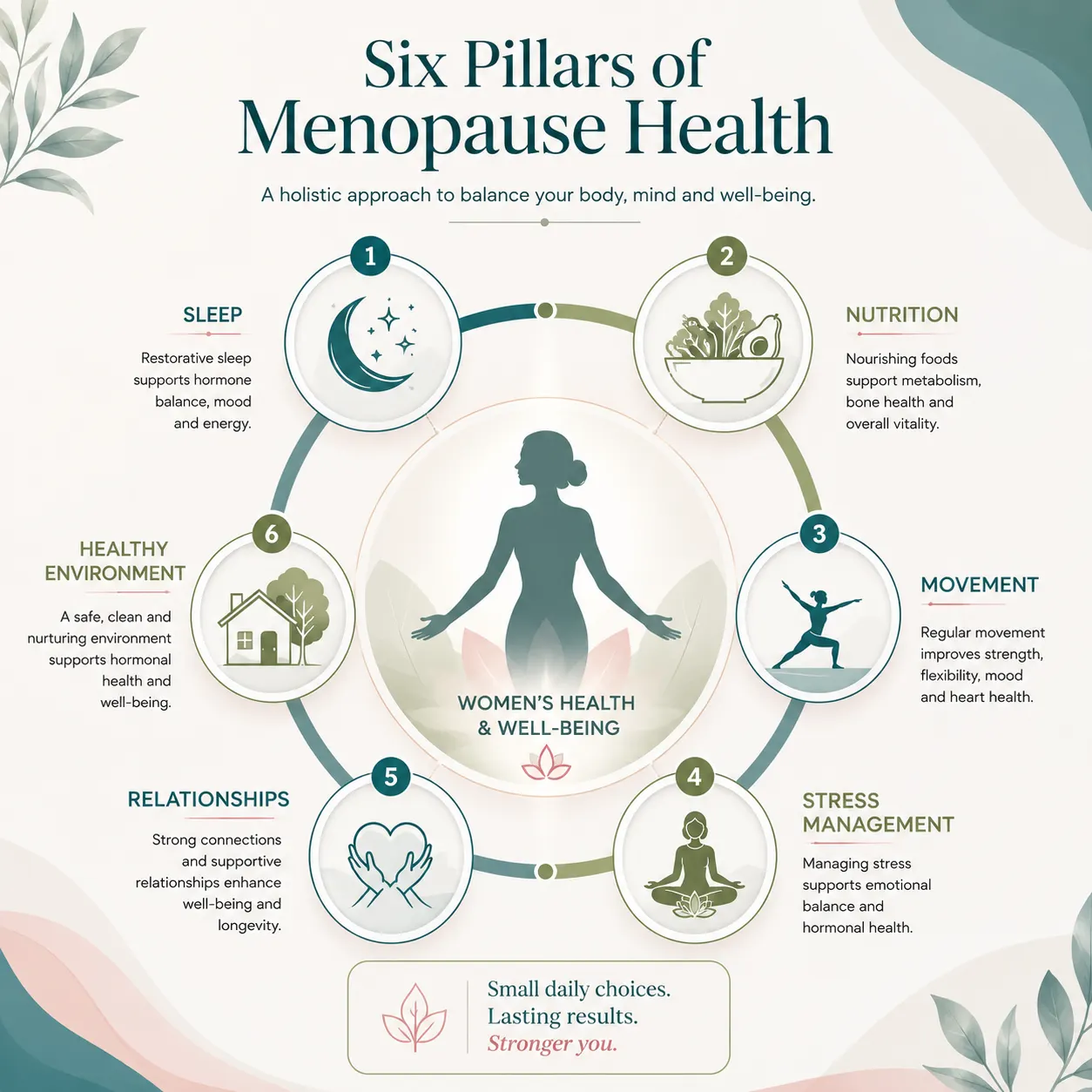
Figure 2. The Six Pillars of Menopause Health
Sleep: Non-Negotiable
Broken sleep doesn't just leave you tired. It can worsen brain fog, amplify mood changes, increase cravings, and make hot flashes and night sweats feel harder to tolerate. Protecting sleep is a treatment. What I tell my patients:
- Keep the bedroom cool — often around 65–68°F, or whatever temperature helps you sleep comfortably
- Avoid phone or screen use for at least 30 minutes before bed whenever possible
- Create a consistent wind-down routine: same bedtime, low lighting, breathwork if needed
- If night sweats are waking you up, treat them as a medical symptom — not just something to manage with a fan
Movement: Strength First, Then Everything Else
Exercise is one of the most powerful tools in a menopause treatment plan , not primarily for weight loss, although it can help, but for what it protects: muscle, bone, mood, heart, brain, and metabolism.

Figure 3. Strength Training as a Foundation of Menopause Health
Strength training is especially important for menopausal women because muscle and bone loss accelerate around this stage of life. Cardio still matters for heart, brain, and metabolic health, but strength should be the anchor. Here's why it matters:
- Muscle mass declines from the menopause transition onward , resistance training helps preserve and rebuild it
- Bone loss accelerates around the final menstrual period; weight-bearing and resistance exercise help slow that loss
- Mood and brain fog often improve when movement becomes consistent
- Body composition and visceral fat often respond better to strength training, protein, daily movement, sleep repair, and metabolic support than to steady-state cardio alone
My recommendation: 2–3 strength sessions per week as the anchor, plus daily movement you actually enjoy. Fun is the most sustainable protocol.
Nutrition: What I Tell My Patients

Figure 4. Mediterranean Nutrition for Menopause Health
Food is not a direct treatment for hot flashes or vaginal dryness , I want to be clear about that. But the right nutritional approach supports muscle, bone, weight management, gut health, inflammation, and energy, which makes the rest of your plan work better. My priorities:
- Protein at every meal — often 25–30g per meal, depending on your body size, goals, and kidney health
- Good fats — olive oil, avocado, nuts, seeds, and fatty fish
- Leafy greens and colorful vegetables — for fiber, micronutrients, gut health, and metabolic support
- Probiotic-rich or fermented foods — It is a myth that pickles should be avoided. I recommend yogurt, kefir, sauerkraut, and naturally fermented pickles to support gut health. Choose brine-fermented varieties and eat them in moderation because of their sodium content.
- Limit Use Of : added sugars, refined carbs, alcohol, and ultra-processed foods, especially if they worsen sleep, cravings, hot flashes, or weight gain
- Calcium and vitamin D — foundational for bone health; test vitamin D when appropriate and dose accordingly
Stress Management: The Cortisol Problem
This is the part of menopause treatment that often gets skipped , and I talk about at almost every appointment.
Menopause often arrives at the exact stage of life when a woman's stress load is highest: children, aging parents, career demands, relationships, finances, caregiving, and decades of accumulated pressure. At the same time, estrogen, progesterone, and testosterone are shifting. That combination can make the nervous system more reactive.
Chronic stress and cortisol dysregulation can worsen many menopause symptoms, including poor sleep, anxiety, cravings, belly fat, and perceived hot flash intensity. Lowering stress is not a soft suggestion. It can be part of the treatment plan. Practical tools I recommend:
● Breathwork — a 4-count inhale and 6-count exhale for two minutes before bed can help activate the parasympathetic nervous system. Breathing exercises do not treat hot flashes directly, but they can calm the stress response and help many women settle at night
● Mindfulness or meditation — even 10 minutes daily can support stress regulation over time
● Sauna and cold exposure — part of my own personal routine; evidence is still emerging, so I frame this as supportive, not a menopause cure
|
FROM MY PRACTICE — The Patient Who Didn't Need a Prescription Yet
A 49-year-old patient came to me convinced she needed hormone therapy immediately , she was exhausted, anxious, and gaining weight despite running four times a week. When we mapped out her actual life, she was sleeping five broken hours, skipping meals until 2pm, and hadn't done a single strength session in years. We started there: protein at breakfast, two strength sessions a week, a real bedtime. Eight weeks later, her energy and mood had measurably improved, and her hot flashes, which she hadn't even mentioned as a top complaint , had quieted too. We did eventually add a low-dose patch when perimenopause caught up with her, but lifestyle wasn't a delay tactic. It was the foundation the hormones needed to actually work.
|
Option 1: Supplements and Herbal Support — My Honest Assessment
I advise to use supplements thoughtfully, based [1] on your symptoms, medical history, medications, diet, and lab findings when testing is appropriate. I do not choose supplements based on trends, marketing, or one-size-fits-all menopause lists.
"Natural" does not automatically mean safe. It also does not automatically mean effective. Some supplements can support bone health, sleep, inflammation, stress regulation, gut health, or mild symptoms. But they should be used as part of a complete treatment plan, not as a substitute for proper medical evaluation, lifestyle work, or evidence-based treatment when symptoms are significantly affecting your life.
|
Supplement
|
What the Evidence Shows
|
My Honest Take
|
|
Vitamin D
|
Important for bone and muscle health. Deficiency is common and should be corrected when present.
|
Test when appropriate, don't guess with high doses. Foundational for bone health, especially when paired with adequate calcium and resistance training.
|
|
Magnesium
|
May support sleep quality, muscle relaxation, bowel regularity, and bone health, especially when intake is low.
|
Often useful, especially magnesium glycinate at bedtime. Use caution with kidney disease or if you take medications that interact with magnesium.
|
|
Omega-3 / Fish Oil
|
Supports cardiovascular health and has anti-inflammatory effects. Evidence for direct menopause symptom relief is mixed.
|
It's worth considering if your diet is low in fatty fish. I frame it as heart, brain, inflammation, and joint support , not as a hot flash treatment.
|
|
Probiotics
|
Gut health may influence inflammation, metabolism, and estrogen processing, but direct menopause RCT evidence is still limited.
|
Useful for selected gut symptoms like bloating or bowel irregularity. I do not present probiotics as a proven way to "balance hormones."
|
|
Black Cohosh
|
Some studies suggest modest symptom relief, but results are inconsistent and product quality varies. Rare liver injury has been reported.
|
May help some women with mild hot flashes, but it is not reliable. Women with liver disease should avoid and consult clinician, especially if you take other medications.
|
|
Red Clover / Isoflavones
|
Contains phytoestrogens. Evidence for hot flashes is modest and inconsistent. Whole soy foods are generally preferred over concentrated supplements.
|
Not a dependable menopause treatment. Avoid concentrated isoflavone supplements if you have a history of hormone-sensitive cancer unless cleared by your clinician.
|
|
Ashwagandha / Rhodiola
|
May support stress resilience and sleep in some patients, but menopause-specific evidence is limited.
|
Supportive, not curative. Use carefully if you have thyroid disease, autoimmune disease, liver concerns, take sedatives, or are on multiple medications.
|

Figure 5. Nutritional Supplements in Personalized Menopause Care
Option 2: Non-Hormonal Prescription Treatments — Including the Newest Options
If hormone therapy is not right for you , because of your medical history, personal preference, hormone-sensitive cancer history, clot risk, cardiovascular risk, or other contraindications , you are not out of options.
This field has advanced significantly in the last few years. We now have non-hormonal treatments that target hot flashes more directly than older medications did, along with established options for mood, sleep, vaginal symptoms, bladder symptoms, and bone protection. Let me walk through the main categories.
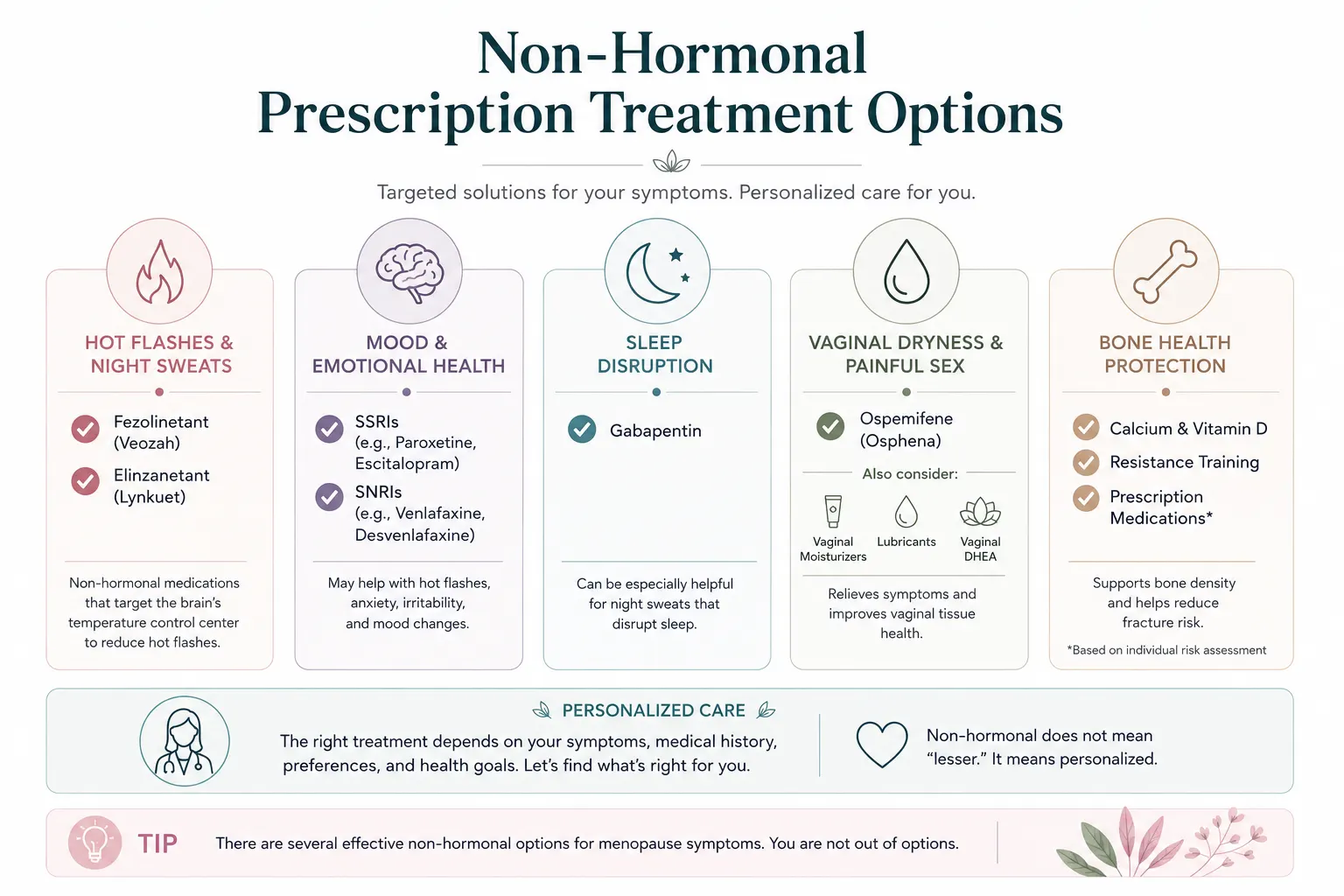
Figure 6. Evidence-Based Non-Hormonal Menopause Treatments
Fezolinetant (Veozah) — A Newer Non-Hormonal Hot Flash Treatment
Fezolinetant, sold as Veozah, was FDA-approved in May 20231 for moderate-to-severe vasomotor symptoms, meaning hot flashes and night sweats due to menopause. It works by blocking neurokinin-3 receptors in the brain's temperature-control center. In simple terms, it targets the disrupted thermostat signaling that contributes to hot flashes, without using estrogen. What to know:
- FDA-approved for moderate-to-severe vasomotor symptoms due to menopause
- Can reduce hot flash frequency and severity in appropriate patients
- Not a hormone and does not treat vaginal dryness, bone loss, or every menopause symptom
- Important: the FDA added a boxed warning1 in December 2024 for rare but serious liver injury
- Liver function testing is required before starting and during treatment
- Not appropriate for women with liver disease or certain medication interactions
Elinzanetant (Lynkuet) — The Newer Dual-Action Non-Hormonal Option
Elinzanetant, sold as Lynkuet, was FDA-approved in October 2025 for moderate-to-severe hot flashes due to menopause. It blocks both NK1 and NK3 receptors, making it a dual-action neurokinin receptor antagonist. This is why it is especially interesting for women whose hot flashes and sleep disruption occur together. What to know:
- FDA-approved for moderate-to-severe vasomotor symptoms due to menopause
- Non-hormonal option for women who cannot or prefer not to use estrogen
- May help reduce hot flash frequency and severity
- May also improve sleep disturbance related to vasomotor symptoms in some women
- Does not replace local treatment for vaginal dryness or painful sex
- Liver function and medication interactions still need to be reviewed before use
|
FROM MY PRACTICE — When a Patient Couldn't Take Hormones
I had a patient last year — a breast cancer survivor, five years out, hormone-receptor-positive — who came to me drenched in sweat every single night, terrified to even ask about hormone therapy. We didn't need to. Between fezolinetant, a strict sleep protocol, and addressing her anxiety directly, her night sweats dropped from nightly to maybe twice a week within six weeks. She cried in my office, not from the hot flashes this time, but from relief. Non-hormonal does not mean 'lesser.' For her, it was exactly the right medicine.
|
SSRIs and SNRIs — Helpful for Hot Flashes, Mood, or Both
Some antidepressant medications can reduce hot flashes, even when a woman is not depressed. These can be especially useful when hot flashes, anxiety, irritability, or mood symptoms overlap.
Low-dose paroxetine, sold as Brisdelle, is FDA-approved specifically for moderate-to-severe hot flashes due to menopause. Other SSRIs and SNRIs, such as venlafaxine, desvenlafaxine, and escitalopram, are often used off-label. What to know:
- Benefits are usually modest but meaningful for the right patient
- Useful when mood symptoms and hot flashes occur together
- Paroxetine should not be used with tamoxifen because it can reduce tamoxifen's effectiveness
- Side effects, sexual side effects, sleep changes, and medication interactions should be reviewed
Gabapentin — Especially When Night Sweats Disrupt Sleep
Gabapentin is another non-hormonal option that may help some women with hot flashes and night sweats, especially when symptoms are worse at night. It is not a menopause-specific drug, but it is commonly used off-label for vasomotor symptoms. What to know:
- Can be useful when night sweats are disrupting sleep
- May cause drowsiness, dizziness, or grogginess
- Dose and timing matter
- It may be a better fit for nighttime symptoms than daytime-only hot flashes
Ospemifene (Osphena) — For Painful Sex and Vaginal Dryness Without Local Estrogen
Ospemifene, sold as Osphena, is an oral selective estrogen receptor modulator, or SERM. It acts on vaginal tissue in an estrogen-like way and is FDA-approved for moderate-to-severe painful sex and vaginal dryness due to menopause. It can be an option for women who cannot use, or prefer not to use, local vaginal estrogen — although low-dose vaginal estrogen remains my first-line option for many women with significant genitourinary syndrome of menopause. What to know:
- Oral, non-estrogen medication for vaginal dryness and painful sex
- Not used for hot flashes
- May not be appropriate for every woman, especially depending on clot risk, cancer history, or uterine bleeding history
- Local vaginal estrogen, vaginal DHEA, moisturizers, lubricants, and pelvic floor therapy should also be discussed

Figure 8. Vaginal Health and Genitourinary Syndrome of Menopause (GSM)
For Sleep, Bladder, and Bone — Targeted Options
Not every menopause symptom is treated with a hot flash medication. Sometimes the best plan is symptom-specific.
- Sleep: First evaluate night sweats, anxiety, alcohol, medications, sleep apnea, bladder symptoms, and sleep habits. CBT-I, selected sleep medications, and treatment of vasomotor symptoms may be appropriate depending on the cause.
- Bladder urgency and incontinence: Pelvic floor physical therapy is dramatically underused. Medications such as beta-3 agonists or anticholinergics may be considered, but side effects and age-related risks matter.
- Bone loss: Treatment depends on DEXA results, fracture risk, age, risk factors, and medical history. Options may include hormone therapy in selected women, bisphosphonates, denosumab, romosozumab, calcium, vitamin D, and resistance training.
The key point: non-hormonal does not mean "less serious" or "less medical." These are real treatments. The right choice depends on the symptom, the risk profile, and the woman sitting in front of me.
|
QUICK QUESTION — Are there non-hormonal treatments for vaginal dryness?
Yes — several. Ospemifene (oral pill), vaginal DHEA (prasterone), hyaluronic acid vaginal moisturizers, and OTC lubricants all help with symptoms. Important: moisturizers and lubricants relieve symptoms but don't reverse the underlying tissue changes the way vaginal estrogen does. For women with significant GSM, I almost always recommend local vaginal estrogen first.
|
Here is what the evidence says clearly: for the right candidate, menopausal hormone therapy remains the most effective treatment we have for hot flashes and night sweats2. It can also help with sleep disruption related to vasomotor symptoms, genitourinary symptoms, and bone protection.
The key phrase is: for the right candidate. Hormone therapy is not appropriate for everyone. But for many healthy women who are under 60, or within 10 years of their final menstrual period, and who do not have contraindications, the benefits often outweigh the risks, according to the 2022 Menopause Society position statement2.
The early interpretation of the Women’s Health Initiative created fear that lasted for decades. Many women were told to avoid hormones entirely, even when they were suffering and even when they may have been good candidates. In 2025, the FDA took an important step by removing the long-standing boxed warning from many menopause hormone therapy products.
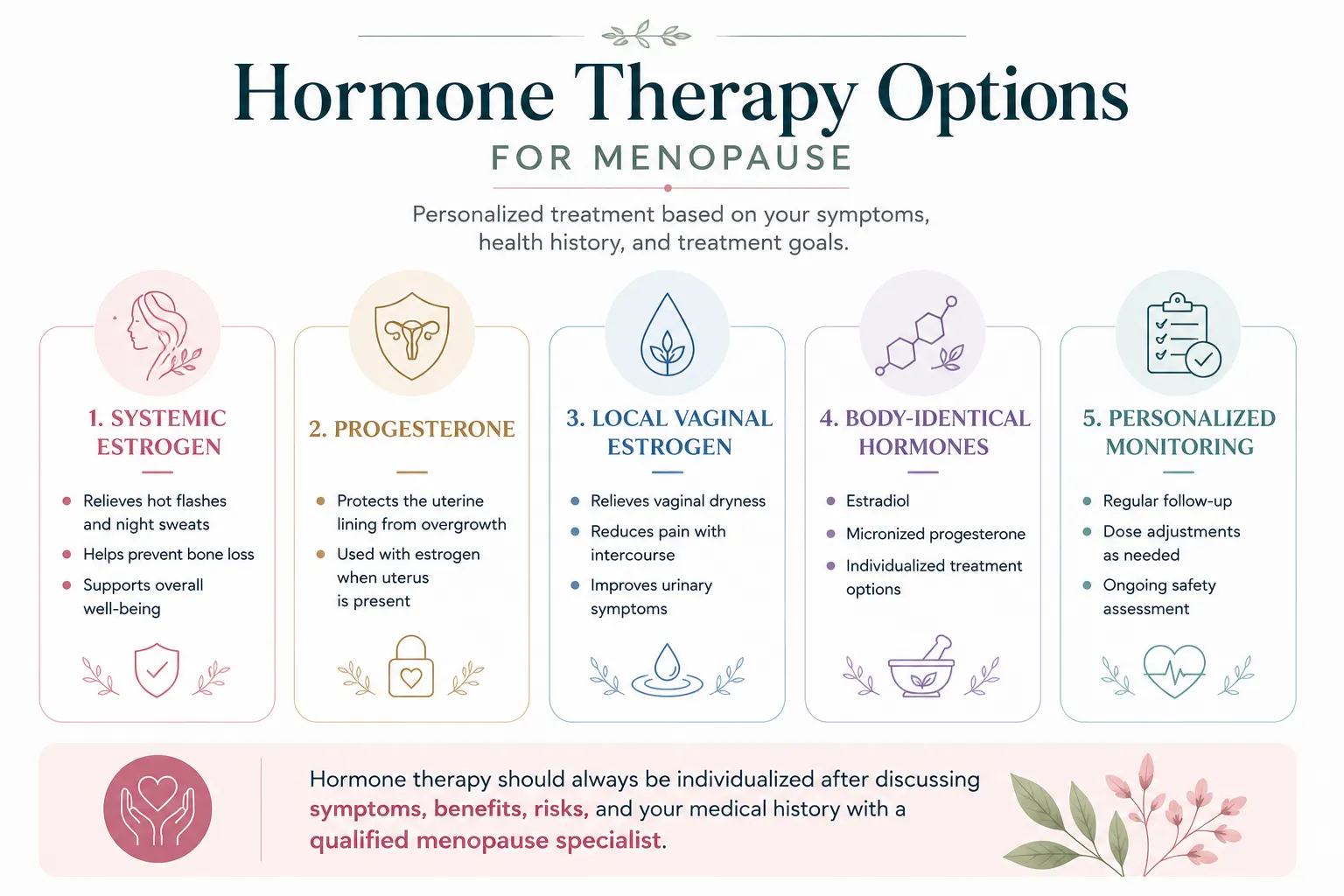
Figure 7. Hormone Therapy Options for Personalized Menopause Care
Let me walk you through how I think about hormone therapy in practice.
Estrogen: Route Matters More Than You Know
One of the most important decisions in hormone therapy is not just whether to use estrogen, but how to deliver it. For many women, I prefer transdermal estrogen — meaning estrogen delivered through the skin as a patch, gel, spray, or cream. Here's why route matters:
- Oral estrogen passes through the liver first, which can increase clotting factors in some women
- Transdermal routes of administration and lower doses of hormone therapy may decrease risk of venous thromboembolism and stroke, per the Menopause Society2
- Patches, gels, sprays, and creams allow more flexible dosing
- I aim for the lowest effective dose that controls symptoms and supports the treatment goal
This does not mean oral estrogen is never used. It means the route should be chosen intentionally, based on your symptoms, risk factors, preferences, and medical history.
Progesterone: Protecting the Uterine Lining — and Sometimes Helping Sleep
For women who have not had a hysterectomy, systemic estrogen therapy usually needs to be paired with progesterone or another form of endometrial protection. This is because estrogen alone can stimulate the uterine lining and increase the risk of endometrial hyperplasia and endometrial cancer.
But progesterone is not only about uterine protection. Micronized progesterone, often taken at bedtime, may also support sleep in selected women. Many patients describe feeling calmer or sleeping more deeply when it is the right fit. This may be partly because progesterone metabolites interact with GABA pathways in the brain, which are involved in calming and sleep regulation.
A 2023 randomized, placebo-controlled trial found 300 mg of bedtime progesterone improved both sleep quality and night sweats3 in perimenopausal women. What to know:
● For women who have not had a hysterectomy, endometrial protection matters when systemic estrogen is used
● Micronized progesterone is different from many synthetic progestins
● It is often taken at night because it can cause drowsiness
● After a hysterectomy, progesterone may not be needed, but this should be discussed with your clinician
● Dose, timing, and schedule should be individualized
|
FROM MY PRACTICE — "I Finally Sleep Like a Baby"
A patient in her early 50s came to me having tried three different sleep medications, none of which touched her 3 a.m. wake-ups. Her estrogen was already well-managed on a patch, but she'd been skipping her progesterone pill some nights because she 'didn't think it was doing anything.' I asked her to take it every night, at bedtime, for two weeks straight. At her follow-up, her first words were, 'I finally sleep like a baby.' Her chart now just says: compliant with nightly progesterone, sleep dramatically improved. It's one of my favorite notes to write.
|
Testosterone: Not Just a "Male Hormone," But Not for Everyone
Testosterone is not only a male hormone. Women make testosterone too, and levels decline with age and reproductive transition. But I want to be very clear: the strongest evidence-based indication for testosterone therapy in women is hypoactive sexual desire disorder, or HSDD, in postmenopausal women, per the 2019 Global Consensus Position Statement4, after a proper biopsychosocial assessment.
That means testosterone should not be casually prescribed for every woman who feels tired, wants more energy, or wants better metabolism. What I want women to know:
- Testosterone may be considered for postmenopausal women with distressing low sexual desire after proper evaluation
- There is no female-specific FDA-approved testosterone product in the United States
- When used, male formulations may be prescribed off-label at much lower doses under careful monitoring
- Oral testosterone is generally avoided
- The goal is to keep levels in a physiologic female range, not to push levels too high
- Response is individual, and side effects must be monitored
Testosterone can be very helpful for the right patient, but it should be treated as a medical therapy — not a wellness trend.
Bioidentical Hormone Pellets: My Honest Position
Patients ask me about pellets regularly, and I believe this conversation deserves honesty. Hormone pellets are small implants placed under the skin that slowly release hormones, commonly estradiol or testosterone, over several months. Some women like convenience and steady delivery. But pellets are different from FDA-approved hormone therapy. Many pellet preparations are compounded and not FDA-approved — that means dose consistency, purity, safety monitoring, and reversibility are different from standard FDA-approved patches, gels, sprays, pills, rings, or creams. What I tell patients:
- Pellets may offer convenience and steady hormone delivery
- They are not my default starting point for every woman
- They are not FDA-approved in the same way standard hormone therapy products are
- Dose adjustment is harder because the pellet cannot simply be removed or changed like a patch or pill
- There is concern about supraphysiologic hormone levels, especially when dosing is too aggressive
- They require an experienced clinician, careful selection, and ongoing monitoring
I do offer this option for selected patients, but only after a clear discussion of benefits, limits, alternatives, and safety considerations. FDA-approved hormone therapy options should usually be discussed first.
Local Vaginal Estrogen — The Most Underused Treatment in Menopause
Vaginal dryness, painful sex, urinary urgency, and recurrent UTIs are often part of genitourinary syndrome of menopause, or GSM. This happens because estrogen decline affects the vaginal and urinary tissues. Low-dose vaginal estrogen is one of the most effective and underused treatments we have for GSM. It is different from systemic hormone therapy. What to know:
- It is applied directly to vaginal tissue as a cream, tablet, insert, or ring
- Systemic absorption is usually minimal with low-dose products
- It usually does not require progesterone for uterine protection
- It can improve vaginal dryness, painful sex, irritation, and urinary symptoms
- It is recommended in many women with recurrent UTIs related to GSM
- It may be appropriate for many women who cannot use systemic hormone therapy, depending on their history and clinician guidance
This is the treatment many women decline out of fear, and the treatment many later wish they had known about sooner.
|
FROM MY PRACTICE — The Treatment She Wished She'd Tried Years Earlier
A patient in her late 60s told me she'd stopped being intimate with her husband nearly a decade ago , she assumed it was just 'over' for her. She'd never been offered vaginal estrogen; her previous doctor had only mentioned lubricant. Three months after starting a low-dose vaginal cream, she came back almost apologetic, like she didn't want to make a big deal of it. She didn't have to. I could see it on her face. This is the visit that reminds me why I keep bringing this treatment up, even when patients are too embarrassed to ask first.
|
Who Should Not Use Systemic Hormone Therapy?
I screen every patient carefully before prescribing systemic hormone therapy. It is not appropriate for everyone. Systemic hormone therapy may not be appropriate for women with:
- A personal history of breast cancer, especially hormone-sensitive breast cancer
- Known or suspected estrogen-dependent cancer
- Unexplained vaginal bleeding
- History of blood clots, pulmonary embolism, stroke, or certain clotting disorders
- Active or recent cardiovascular disease, depending on the case
- Active liver disease
- High-risk uterine conditions that have not been evaluated
- Pregnancy, which is rare at this stage but still possible in perimenopause
- Smoking also matters, especially when considering oral estrogen, because it can increase vascular risk.
If any of these apply to you, it does not mean there is no treatment. It means we need a safer strategy. That may include lifestyle medicine, non-hormonal prescriptions, vaginal therapies, pelvic floor therapy, bone-specific treatment, sleep support, or other targeted options.
|
DR. KASHYAP'S TIP
Already on HRT but still not feeling well? Don't give up , ask about route, dose, and type before stopping. Many 'HRT failures' I see are estrogen that was too low, delivered by mouth when the skin was safer, or progesterone given as a synthetic instead of micronized. The prescription isn't wrong; the formulation often is.
|
When to Seek Medical Treatment and Red Flags That Go Beyond Menopause
Menopause treatment is appropriate when symptoms are affecting your sleep, your work, your relationships, or your quality of life , which means the threshold for getting help should be low. You don't need to be falling apart. You just need to be suffering quietly, and suffering quietly is optional.
- Seek prompt evaluation , not "watchful waiting" , for:
- Any vaginal bleeding after menopause — always evaluated, without exception
- Recurrent urinary infections — treatable with medical evaluation, not home management alone
- Persistent bloating or pelvic pressure lasting more than a few weeks
- Unexplained weight loss or severe, worsening fatigue
- Significant mood changes, persistent low mood, or any thoughts of self-harm
These may or may not be menopause , but they need to be checked. Getting them evaluated is not an overreaction. It's what good healthcare looks like.
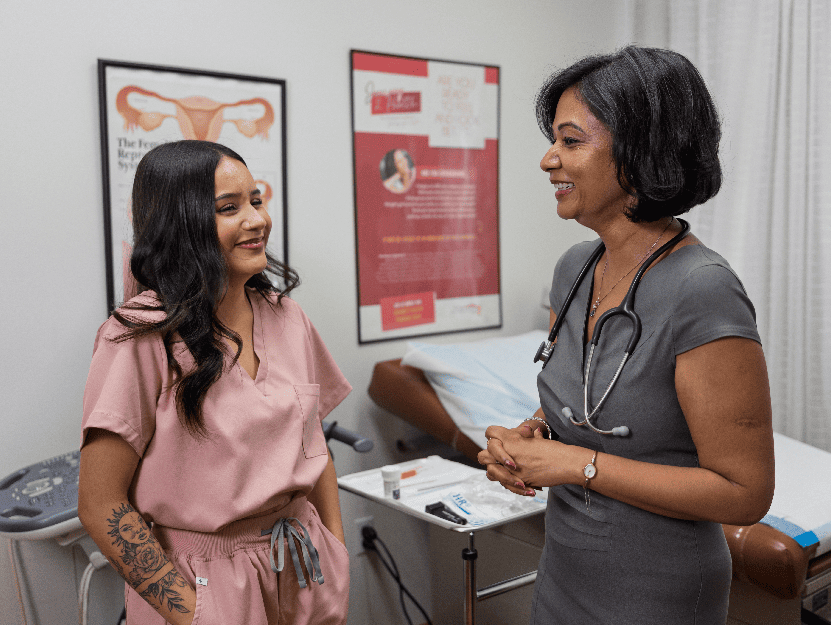
At Galleria Women's Health in Henderson, Nevada, I see patients in person and via telehealth. If you've been dismissed, undertreated, or handed a prescription without a real conversation , come and have the conversation. Nobody should be living with this. Don't lose hope.
Menopause Treatment Terms Explained: A Simple Glossary
Plain English for terms you'll encounter in this guide and in your doctor's office:
- HRT / MHT (hormone replacement therapy / menopausal hormone therapy) — Prescription estrogen — with progesterone if you have a uterus — the most effective treatment for vasomotor symptoms and bone protection.
- Transdermal estrogen — Estrogen delivered through the skin via patch, gel, spray, or cream — bypasses the liver, significantly lower clot risk than oral estrogen.
- Micronized progesterone — A body-identical progesterone capsule (Prometrium) taken by mouth — protects the uterus and is associated with improved sleep for many women when taken at night.
- Bioidentical hormones — Hormones chemically identical to those the body makes. Some FDA-approved HRT is bioidentical (like estradiol and micronized progesterone); compounded bioidentical preparations (like pellets) are not FDA-approved and carry variable quality risks.
- Vasomotor symptoms (VMS) — The medical term for hot flashes and night sweats — the most common symptoms treated with hormone therapy or fezolinetant/elinzanetant.
- GSM (genitourinary syndrome of menopause) — Vaginal dryness, painful sex, and urinary symptoms caused by estrogen loss. Treated with local vaginal estrogen as first-line.
- Fezolinetant (Veozah) — FDA-approved (2023) non-hormonal pill for moderate-to-severe hot flashes. Blocks NK3 receptors in the brain's temperature center. Carries an FDA boxed warning for rare liver injury; liver monitoring required.
- Elinzanetant (Lynkuet) — FDA-approved (2025) non-hormonal pill blocking both NK1 and NK3 receptors — reduces hot flashes and may improve sleep.
- Ospemifene (Osphena) — Oral SERM (selective estrogen receptor modulator) FDA-approved for vaginal dryness and painful sex — acts on vaginal tissue without being a hormone.
- HSDD (hypoactive sexual desire disorder) — Persistently low sexual desire that causes distress. The strongest evidence-based indication for testosterone therapy in postmenopausal women.
- DEXA scan — Bone density scan — the standard test to detect osteopenia and osteoporosis. Recommended for women 65+, earlier if risk factors are present.
- DUTCH test — A specialized urine test measuring hormone metabolites and cortisol patterns. A functional medicine tool — useful in selected clinical situations, not routine for all women.
- NK3 receptor — The neurokinin-3 receptor in the hypothalamus that regulates body temperature. Targeted by fezolinetant and elinzanetant to reduce hot flashes.
- Estrobolome — The community of gut bacteria that influence estrogen metabolism and recycling. An emerging area of research — not yet clinically actionable but biologically important.
- MSCP (Menopause Society Certified Practitioner) — A credential from The Menopause Society indicating specific training and expertise in menopause management. A useful marker when choosing a provider.
This article is for educational purposes and is not a substitute for personalized medical advice. Always consult your physician about your individual situation. Patient stories in this article are composites with identifying details changed to protect privacy.
References
1. U.S. Food and Drug Administration. "FDA Adds Warning About Rare Occurrence of Serious Liver Injury With Use of Veozah (fezolinetant) for Hot Flashes Due to Menopause." Drug Safety Communication, updated December 16, 2024 — Veozah was originally approved May 12, 2023; a boxed warning for rare but serious liver injury was added in December 2024. https://www.fda.gov/drugs/drug-safety-communications/fda-adds-warning-about-rare-occurrence-serious-liver-injury-use-veozah-fezolinetant-hot-flashes-due
2. "The 2022 Hormone Therapy Position Statement of The North American Menopause Society." Menopause, 2022;29(7):767-794 — confirms hormone therapy as the most effective treatment for vasomotor symptoms and GSM, and that transdermal routes may lower VTE and stroke risk versus oral estrogen. https://pubmed.ncbi.nlm.nih.gov/35797481/
3. Prior JC, Cameron A, Fung M, et al. "Oral Micronized Progesterone for Perimenopausal Night Sweats and Hot Flushes: A Phase III Canada-Wide Randomized Placebo-Controlled 4-Month Trial." Scientific Reports, 2023;13:9082 — 300mg bedtime micronized progesterone significantly improved sleep quality (p=0.005) and night sweats (p=0.023) in perimenopausal women. https://pmc.ncbi.nlm.nih.gov/articles/PMC10241804/
4. Davis SR, Baber R, Panay N, et al. "Global Consensus Position Statement on the Use of Testosterone Therapy for Women." Journal of Clinical Endocrinology & Metabolism, 2019;104(10):4660-4666 — endorsed by 11 international societies; concludes the only evidence-based indication for testosterone in women is HSDD. https://pmc.ncbi.nlm.nih.gov/articles/PMC6821450/
Citations are provided for major statistics and FDA actions referenced in this article. As with all medical literature, individual study populations and methods vary; your physician can help interpret how this evidence applies to your specific situation.


 Meet Your Doctor


 03 Jul, 2026
 10:13 AM


Leave a Comment