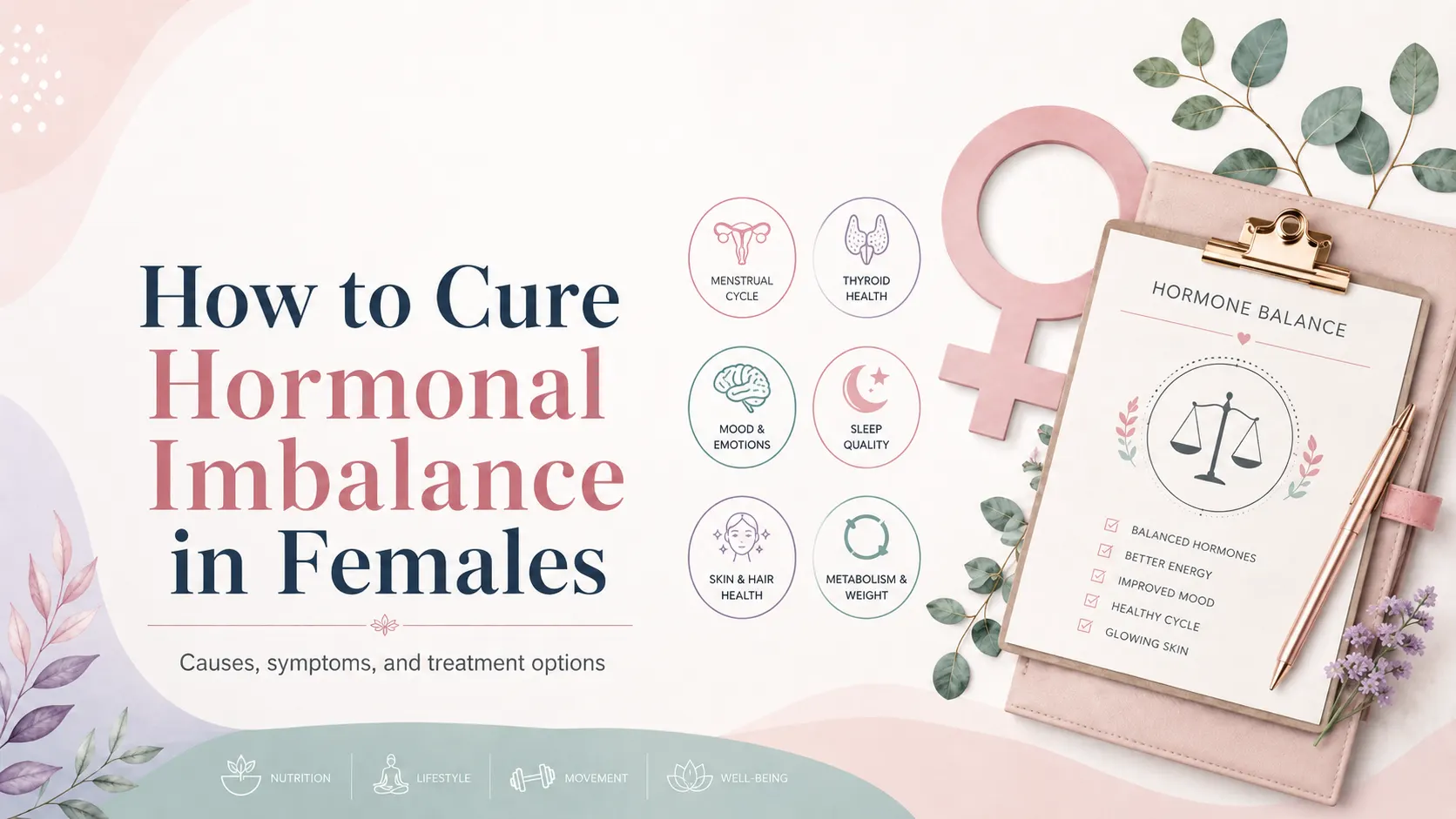
HOW TO CURE HORMONAL IMBALANCE IN FEMALES
Hormonal imbalance can show up in many different ways, rom irregular periods, fatigue, acne, weight changes, and low libido to sleep problems, mood changes, hot flashes, or hair thinning. But there is no single treatment that works for every woman because the underlying cause may be completely different.
In this guide, I’ll explain how hormonal imbalance in females is evaluated and treated, including common causes, symptoms, testing, lifestyle changes, hormone-supportive foods, supplements, and medical treatment options. We’ll also look at when symptoms may be linked to conditions such as PCOS/PMOS, thyroid disorders, insulin resistance, perimenopause, or menopause.
One important point before we begin: “cure” is not always the right word. Some hormonal changes can improve significantly when the underlying trigger is addressed, while others are better managed over time. The goal is to understand what is driving your symptoms and choose treatment that fits your health, life stage, and individual needs.
What Is a Hormonal Imbalance?
Hormones are chemical messengers made by glands in your endocrine system, including the ovaries, thyroid, adrenal glands, and pancreas, that travel through your bloodstream and tell organs and tissues what to do. A hormonal imbalance simply means one or more of these messengers is being produced in too high or too low an amount, or your tissues aren't responding to it normally, relative to what your body needs at that life stage.
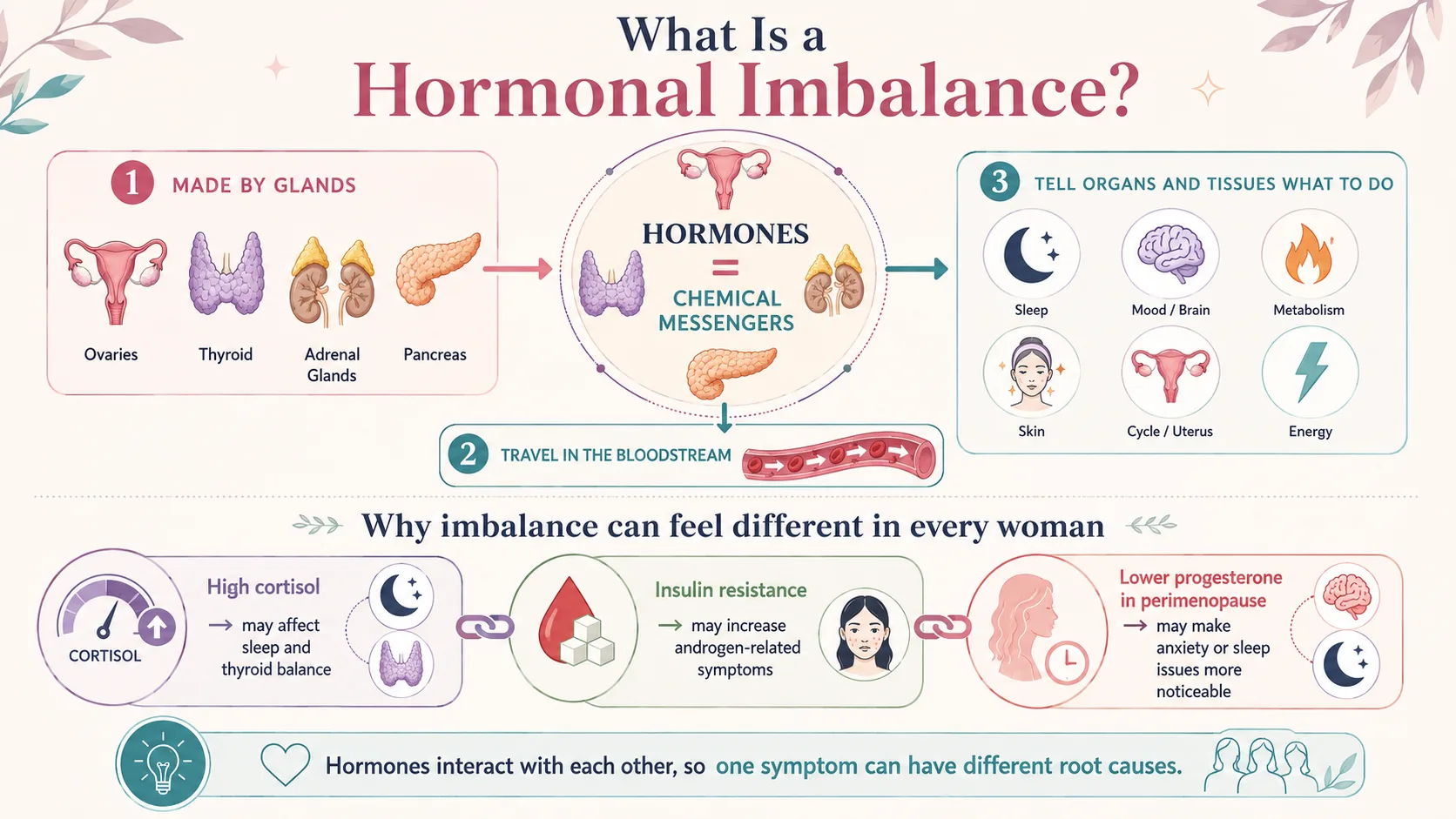
Because hormones interact with each other constantly, an imbalance rarely stays isolated. High cortisol can suppress thyroid function. Insulin resistance can drive up androgen levels. Declining progesterone in perimenopause can make underlying anxiety or sleep problems more noticeable. This is why two women with the same complaint, like fatigue or weight gain, can have completely different hormonal pictures underneath it.
How Hormones Change Across a Woman’s Life
Hormone levels are not meant to stay exactly the same throughout life. Estrogen, progesterone, and other hormones naturally rise, fall, and fluctuate depending on age, menstrual cycles, pregnancy, perimenopause, and menopause. This is why a hormone level or symptom that may be expected at one stage of life could need closer evaluation at another.
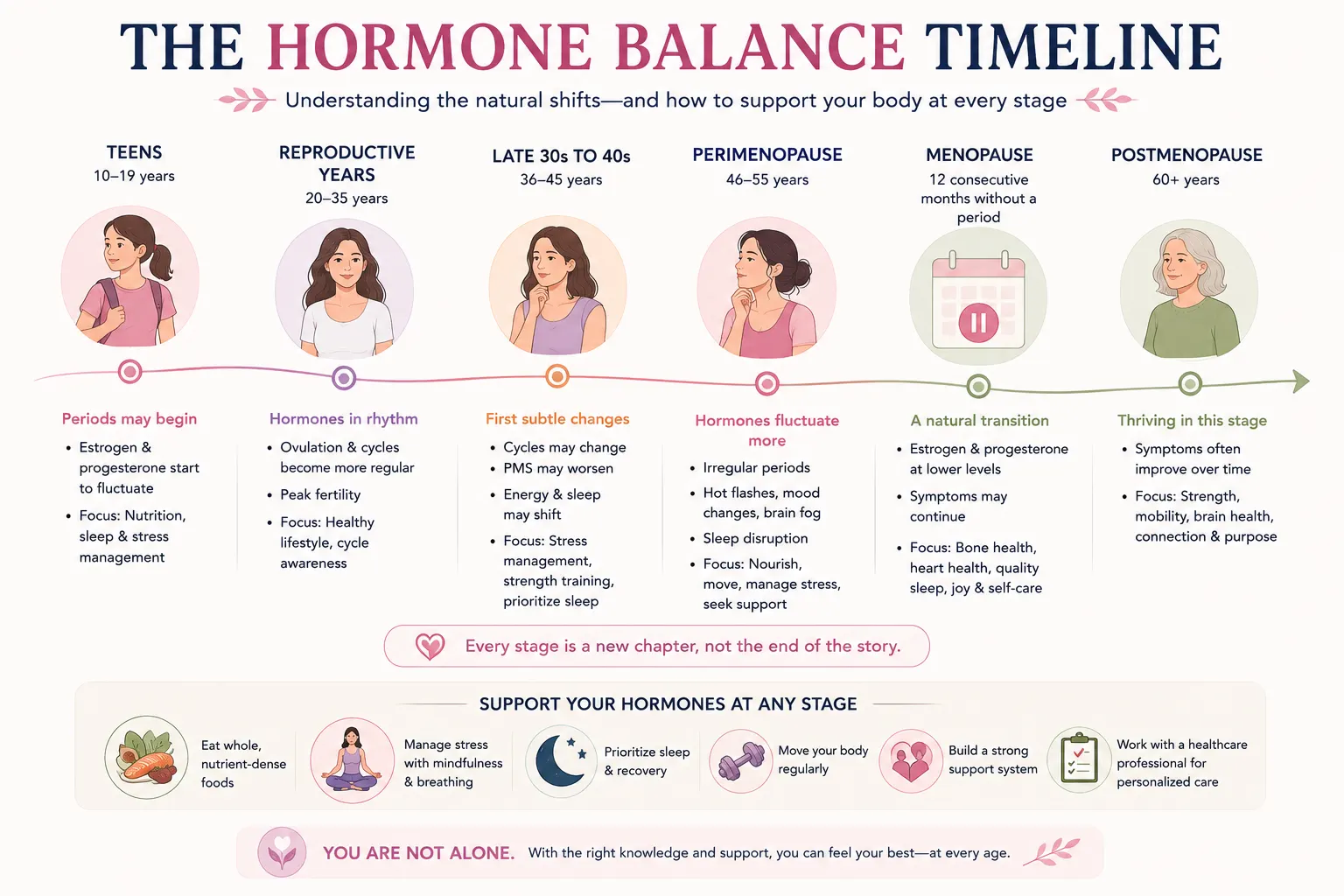
Understanding these normal transitions also helps separate expected hormonal changes from a true underlying disorder.
- Teens: Estrogen and progesterone begin cycling after puberty, and periods may take time to become regular.
- Reproductive years: Hormones usually follow a more predictable monthly rhythm around ovulation and menstruation.
- Late 30s and early 40s: Some women begin noticing subtle changes in cycle length, PMS, sleep, or energy as hormone patterns gradually shift.
- Perimenopause: Estrogen and progesterone can fluctuate considerably, contributing to irregular periods, hot flashes, mood changes, brain fog, and sleep disruption.
- Menopause: Menopause is reached after 12 consecutive months without a menstrual period, and menopause symptoms are prominent as estrogen and progesterone remain at lower levels.
- Postmenopause: Hormone levels become more stable at their new baseline, while long-term priorities increasingly include bone, cardiovascular, metabolic, vaginal, and urinary health.
The key point: hormonal change is not automatically hormonal disease. What matters is whether the changes fit your stage of life, how severe the symptoms are, and whether another condition may be contributing.
Key Hormones at a Glance
|
Hormone
|
Main Role
|
Common Signs When Imbalanced
|
|
Estrogen
|
Menstrual cycle, bone health, mood, skin and vaginal tissue
|
Irregular periods, hot flashes, vaginal dryness, mood changes
|
|
Progesterone
|
Balances estrogen, supports sleep and calm mood, uterine lining
|
PMS, anxiety, sleep disruption, heavy or irregular bleeding
|
|
Testosterone
|
Libido, muscle mass, energy, bone density
|
Low desire, fatigue, reduced muscle tone (also elevated in PCOS)
|
|
Thyroid hormones (TSH, T3, T4)
|
Metabolism, energy, temperature regulation
|
Fatigue, weight change, hair thinning, temperature intolerance
|
|
Cortisol
|
Stress response, blood sugar, inflammation
|
Wired-but-tired feeling, belly fat, poor sleep, sugar cravings
|
|
Insulin
|
Blood sugar regulation
|
Sugar cravings, weight gain, skin tags, irregular cycles (PCOS)
|
Can You Actually "Cure" a Hormonal Imbalance?
It depends entirely on the cause, and this is worth being honest about upfront.
Often reversible:
● Short-term, stress- or diet-driven cortisol and blood sugar disruption often improves substantially once lifestyle factors are addressed
Managed, not cured:
● Hypothyroidism, typically requires ongoing thyroid hormone replacement
● PCOS, a lifelong metabolic and hormonal pattern that can be very well controlled but doesn't disappear
● Perimenopause and menopause, a normal, permanent transition, not a disease to reverse
|
DR. KASHYAP'S INSIGHT
"Patients often come in asking how to ‘fix’ their hormones the way you’d fix a flat tire. I understand the appeal of that framing, but hormones aren’t static; they’re a constantly adjusting system. The realistic goal isn’t a permanent fix; it’s understanding your own pattern well enough to keep it in a healthy range as your body and life stage change."
|
The good news: regardless of which category your symptoms fall into, there is almost always something that meaningfully improves how you feel, whether that's lifestyle change, targeted supplementation, or medical treatment. The rest of this guide covers all three.
Common Causes of Hormonal Imbalance in Women
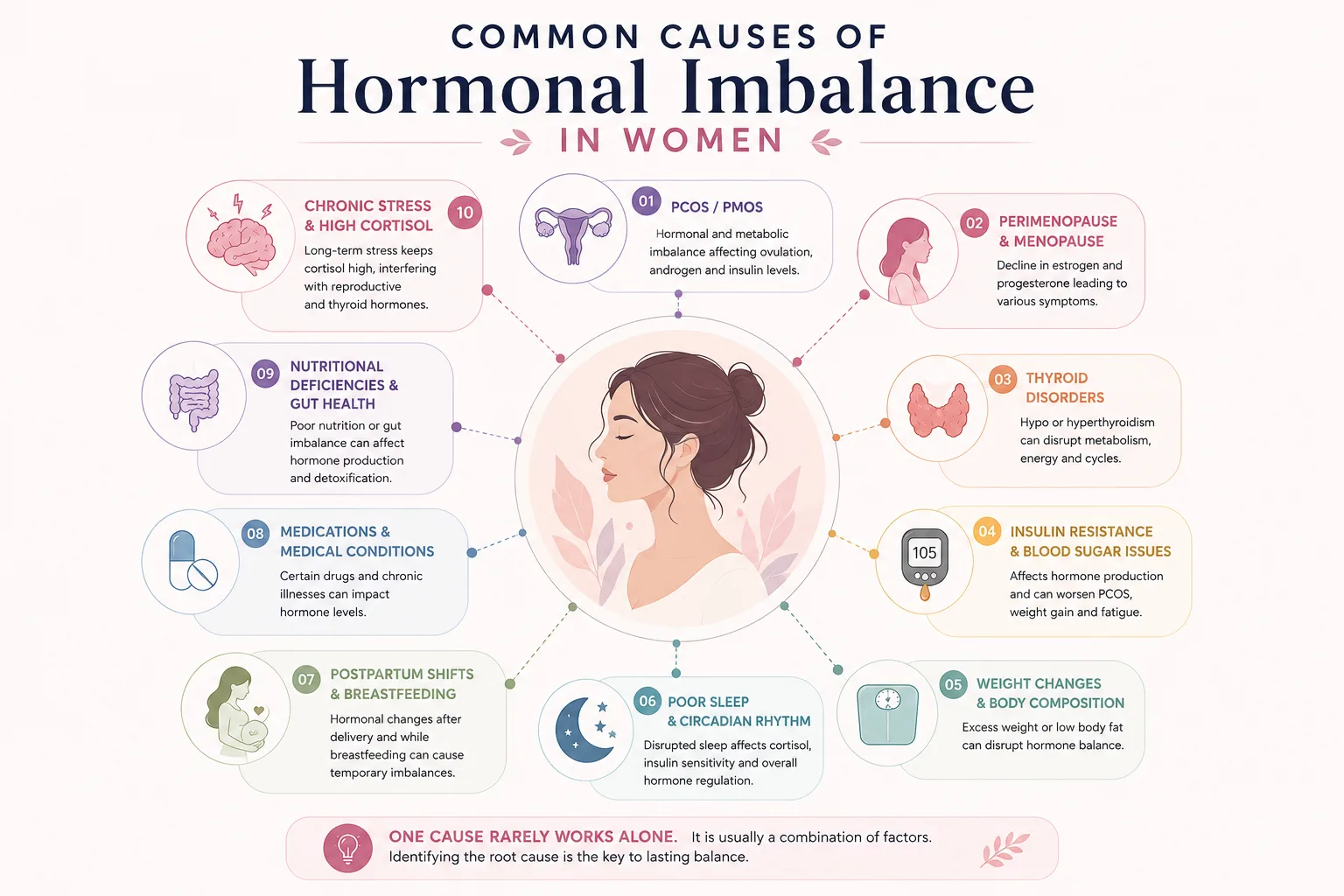
Hormonal imbalance isn't a single diagnosis, it's a symptom pattern that can come from many different root causes, and identifying which one applies to you changes the entire treatment plan. In my clinic, this is usually the first thing I explain to a new patient, because most women arrive expecting one answer, and the honest answer is almost always "it depends which system is driving it." The table below breaks down what's actually happening inside the body for each common cause, and who tends to be most affected, so you can see where your own symptoms might fit before we get into testing and treatment.
|
Cause
|
What's Happening in the Body
|
Who's Most Likely Affected
|
|
Polycystic ovary syndrome (PCOS), now renamed PMOS
|
Insulin resistance pushes the ovaries to produce excess androgens (male hormones), which disrupts ovulation and drives symptoms like acne, irregular periods, and unwanted hair growth.
|
Reproductive-age women; often first noticed in the teens or twenties
|
|
Thyroid disorders
|
An underactive thyroid (hypothyroidism) slows nearly every metabolic process; an overactive one (hyperthyroidism) speeds them up. Both disrupt the feedback loop between the brain and ovaries.
|
Women of any age; risk rises with family history and after pregnancy
|
|
Perimenopause and menopause
|
Estrogen and progesterone stop following a predictable monthly pattern, then decline overall, which affects temperature regulation, sleep, and mood centers in the brain.
|
Women typically in their 40s and 50s, sometimes earlier
|
|
Chronic stress and elevated cortisol
|
Sustained cortisol production can compete with reproductive hormone production for shared building blocks and blunts insulin sensitivity.
|
Women under prolonged work, caregiving, or emotional stress
|
|
Insulin resistance and blood sugar swings
|
Cells stop responding normally to insulin, so the body produces more of it; excess insulin signals the ovaries to make more androgens.
|
Women with PCOS, higher body weight, or a strong family history of type 2 diabetes
|
|
Poor sleep
|
Short or fragmented sleep raises cortisol and ghrelin (hunger hormone) while lowering leptin (fullness hormone) and insulin sensitivity, often within a single night.
|
Shift workers, new parents, and anyone averaging under 6-7 hours
|
|
Being significantly over- or underweight
|
Fat tissue actively produces estrogen, so both very low and very high body fat percentages can push estrogen out of its normal range and disrupt ovulation.
|
Women with eating disorders, very low body fat, or obesity
|
|
Certain medications
|
Hormonal birth control, corticosteroids, and some psychiatric medications directly add, suppress, or interact with the body's own hormone production.
|
Anyone on these medications; effects are usually dose- and duration-dependent
|
|
Postpartum hormonal shifts
|
Estrogen and progesterone fall sharply within days of delivery, and the thyroid can become transiently overactive then underactive (postpartum thyroiditis).
|
Women in the first 6-12 months after childbirth
|
|
Environmental and dietary factors
|
Chronic high sugar intake, alcohol, and some endocrine-disrupting chemicals (found in certain plastics and personal care products) may interfere with normal hormone signaling, though the size of this effect varies by individual and is still being researched.
|
Varies widely; cumulative exposure over years matters more than a single source
|
PCOS is the single most common cause on this list, and it's also the one with the biggest recent update; if you want to go deeper on the traditional diagnosis and criteria, ACOG's patient FAQ on PCOS is a reliable starting point.
PCOS Has a New Name: PMOS
This is worth knowing, because most articles on hormonal imbalance haven't caught up to it yet: as of May 12, 2026, PCOS was formally renamed Polyendocrine Metabolic Ovarian Syndrome, or PMOS. The change was endorsed by the American Society for Reproductive Medicine and the Endocrine Society, following an 11-year global consensus process involving more than 50 patient and professional organizations and over 22,000 patient survey responses.
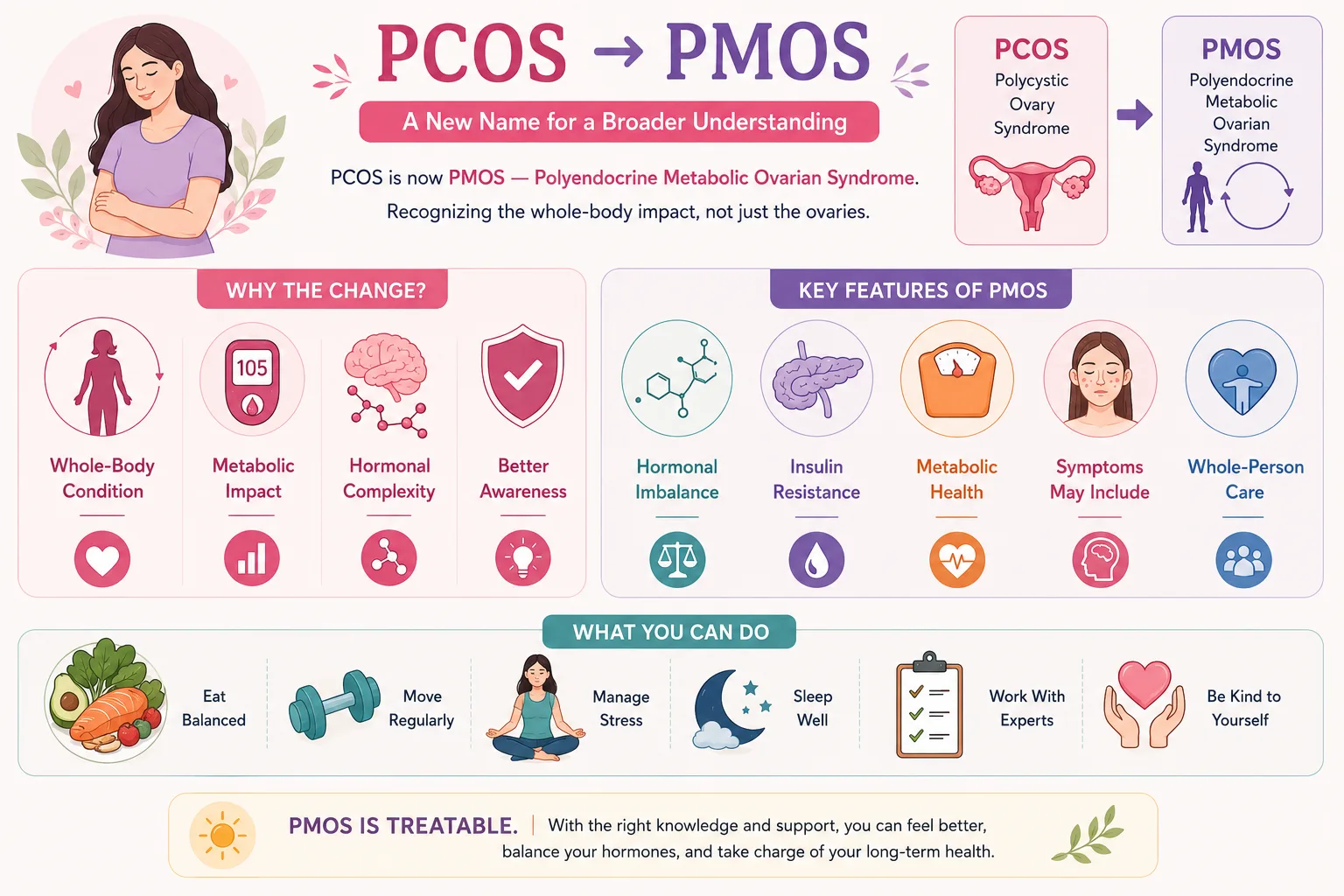
- Why the name changedThe old name implied the condition was defined by ovarian cysts. It isn't.
- What appears on ultrasound are small, arrested follicles, not true pathological cysts
- PCOS/PMOS is a systemic hormonal and metabolic condition, not primarily an ovarian one
- It affects mood, skin, weight, fertility, and long-term cardiometabolic health, not just the ovaries
- The diagnostic criteria themselves haven't changed, only the name and the framing
- A 3-year transition period is underway, so you'll see both PCOS and PMOS in circulation for a while
Practically, this means if you've been told you "don't have PCOS" because an ultrasound didn't show cysts, or your care felt narrowly focused on fertility, that gap is exactly what the renaming is meant to correct. The label matters less than the underlying pattern: irregular ovulation, elevated androgens, and insulin resistance, evaluated and treated together.
|
FROM MY PRACTICE
A patient in her late 20s had been told for years that she “probably didn't have PCOS” because her ultrasounds looked normal. Her actual pattern, irregular cycles, stubborn acne, and insulin resistance on bloodwork, was textbook. Once we treated the pattern instead of waiting for a specific ultrasound finding, her cycles regulated within four months. Identifying details have been changed to protect privacy.
|
Signs and Symptoms of Hormonal Imbalance
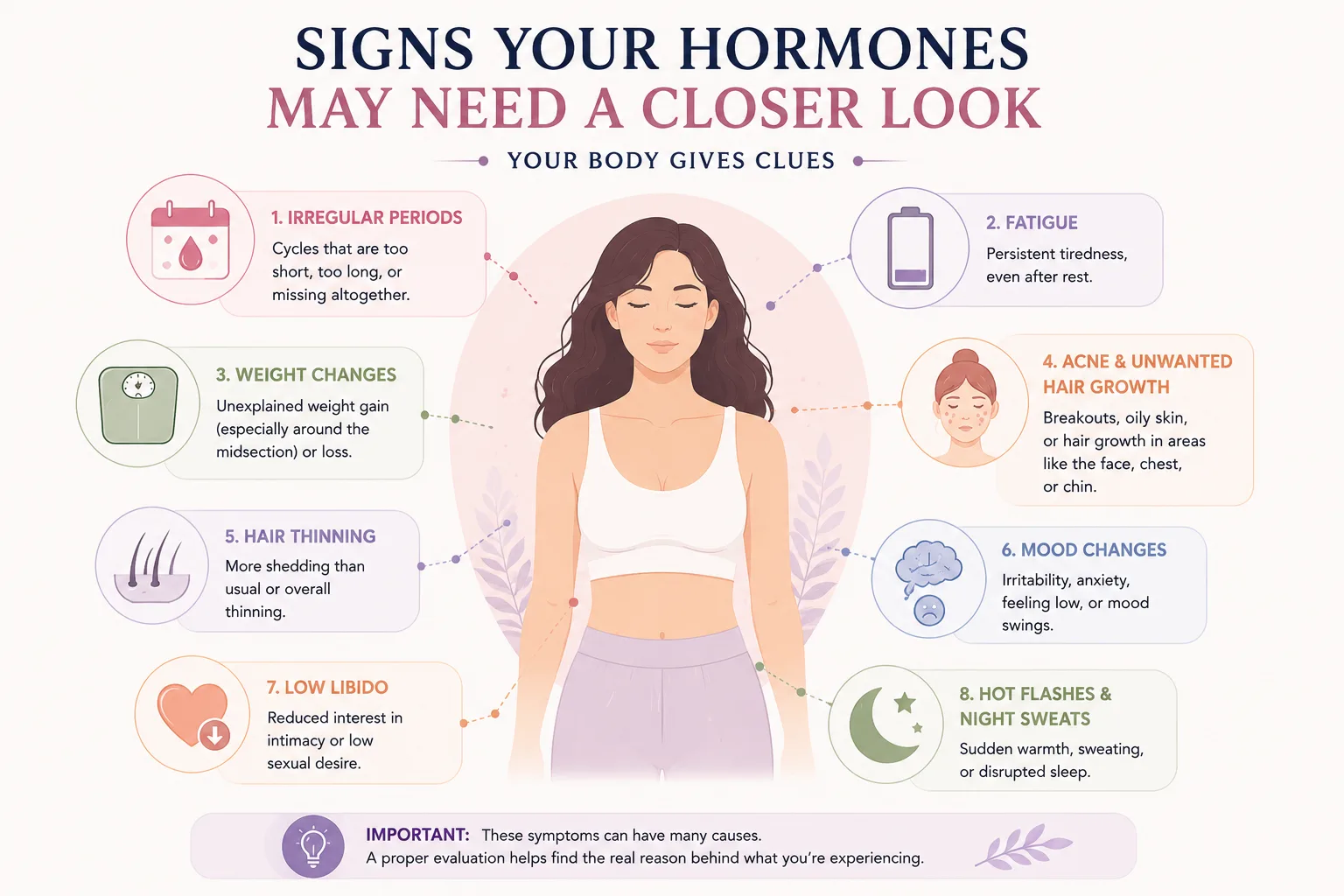
Symptoms are clues, not diagnoses. Many hormone-related symptoms are also caused by things that have nothing to do with your hormones, which is exactly why self-diagnosis from a symptom list alone is unreliable. The table below shows common symptoms alongside hormones that can contribute, and other causes worth ruling out.
|
Symptom
|
Possible Hormonal Link
|
Other Causes to Consider
|
|
Irregular or missed periods
|
PCOS/PMOS, thyroid disease, perimenopause, low body weight
|
Pregnancy, extreme exercise, significant stress
|
|
Persistent fatigue
|
Hypothyroidism, low estrogen, high cortisol
|
Anemia, vitamin B12 or D deficiency, sleep apnea, depression
|
|
Weight gain, especially around the abdomen
|
Insulin resistance, high cortisol, hypothyroidism
|
Diet, activity level, muscle loss, medications
|
|
Acne or unwanted hair growth
|
Elevated androgens (often PCOS/PMOS)
|
Genetics, skincare products, other skin conditions
|
|
Mood swings, anxiety, or irritability
|
Low progesterone, thyroid dysfunction, perimenopause
|
Stress, sleep deprivation, underlying mood disorder
|
|
Hair thinning
|
Thyroid disease, elevated androgens, low estrogen
|
Iron deficiency, genetics, recent illness or stress
|
|
Low libido
|
Low testosterone or estrogen
|
Relationship factors, medications, stress, sleep
|
|
Hot flashes or night sweats
|
Declining estrogen (perimenopause/menopause)
|
Thyroid disorders, certain medications, anxiety
|
Irregular periods in your 40s? Don't assume it rules out pregnancy
- Perimenopause doesn't switch fertility off overnight, and this is one of the most common points of confusion
- Ovulation becomes less predictable in perimenopause, not necessarily absent
- You can still ovulate, and get pregnant, even with irregular cycles
- If pregnancy is not desired, contraception still matters until you've gone a full 12 months without a period
- If pregnancy is desired, irregular cycles don't automatically mean infertility, a fertility-focused evaluation can clarify your actual status
Could it be thyroid instead of menopause?
Thyroid disease and menopause overlap so heavily in symptoms that one is frequently mistaken for the other, and thyroid disease is easily testable.
- Shared symptoms: fatigue, mood changes, weight changes, irregular or heavy periods, temperature sensitivity
- Menopause-specific clues: hot flashes and night sweats tend to track with cycle changes
- Thyroid-specific clues: cold or heat intolerance, changes in heart rate, and hair or skin texture changes
- A simple TSH test can rule thyroid disease in or out before assuming everything is menopause
How Is a Hormonal Imbalance Diagnosed?
A hormonal imbalance is diagnosed through a combination of your symptom history, a physical exam, and targeted lab testing, not from a single "hormone panel" ordered in isolation. I rarely start with a test; I start with a conversation. Depending on your symptoms and age, testing may include:
- Thyroid function: TSH, and sometimes free T3/T4 and thyroid antibodies
- Reproductive hormones: estrogen, progesterone, testosterone, LH, and FSH
- Blood sugar markers: fasting glucose and insulin, or HbA1c, to assess insulin resistance
- Cortisol: when adrenal or chronic stress patterns are suspected
- Pelvic ultrasound: if PCOS or a structural cause is being evaluated
|
DR. KASHYAP'S PRACTICAL TIP
Timing matters more than most women realize. Reproductive hormones like progesterone and estrogen shift dramatically across the menstrual cycle, so a single random draw can look “normal” or “abnormal” depending entirely on the day it was taken. Before testing, track your last few cycle start dates so your provider can time the blood draw to the right window.
|
How to Balance Hormones Naturally
This is the part of the visit where most women lean forward, because it's the part they can actually act on. For many women, especially those without a diagnosed underlying condition, lifestyle changes are genuinely the most effective first step, and they're supported by a substantial body of research.
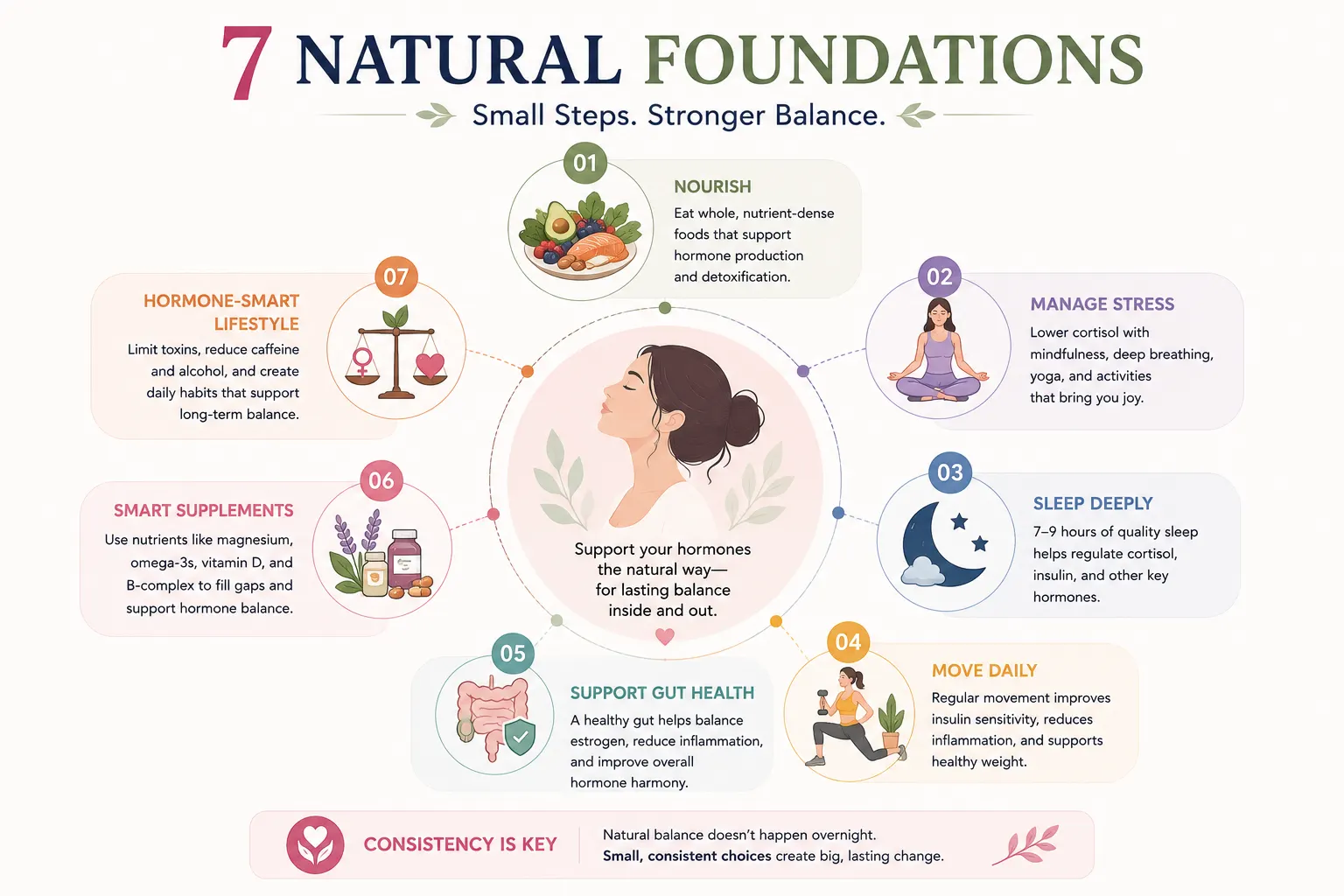
I don't hand patients a generic "eat clean and destress" list. Each of the seven pillars below targets a specific hormone pathway, and I'll walk you through why each one matters and how I actually coach women through it in clinic.
1. Stabilize Blood Sugar at Every Meal
Why it matters
Repeated insulin spikes from carb-only meals are what eventually drive insulin resistance, and in women with a PCOS tendency, excess insulin directly signals the ovaries to produce more androgens.
- Build every meal around 3 things: protein + fiber + healthy fat
- Protein: eggs, chicken, fish, tofu, Greek yogurt (palm-sized portion)
- Fiber: vegetables, legumes, whole grains
- Healthy fat: olive oil, avocado, nuts, seeds
- You don't need to cut carbs, just avoid eating them alone
2. Prioritize Sleep
Why it matters
Cortisol, insulin, leptin, and ghrelin are all disrupted by poor sleep, sometimes within a single night. One study found just a few nights of 4-5 hour sleep measurably lowered insulin sensitivity and increased hunger hormones.
- Aim for 7-8 hours, same bedtime and wake time daily (even weekends)
- Dim lights and screens for the last hour before bed
- Keep the bedroom cool and dark
- Avoid caffeine after early afternoon, effects can linger 6+ hours
3. Actively Manage Stress
Why it matters
Chronic stress keeps cortisol elevated, which can suppress ovulation, worsen insulin resistance, and blunt thyroid hormone conversion. A daily practice beats an occasional one.
- Paced breathing: 6 breaths/minute (4-count inhale, 6-count exhale), 5-10 min/day
- Mindfulness meditation, even a short daily session
- Regular time outdoors
- Consistency matters more than duration, 10 min daily beats 1 hour occasionally
4. Move Regularly, With Some Strength Training
Why it matters
Exercise improves insulin sensitivity, meaning cells need less insulin to manage blood sugar, which directly protects against insulin-driven androgen excess. Muscle tissue itself becomes a glucose storage site.
- Target 2-3 strength sessions per week
- Add regular walking or other aerobic movement
- More isn't always better: excessive high-intensity training without recovery can raise cortisol and disrupt cycles
5. Support Gut and Liver Health
Why it matters
Estrogen is metabolized in the liver and cleared through the gut. A sluggish gut can let estrogen get reabsorbed instead of eliminated, one proposed mechanism behind estrogen-dominance symptoms like breast tenderness and heavy periods.
- Eat a fiber-rich, plant-forward diet daily
- Cruciferous vegetables (broccoli, cauliflower, Brussels sprouts, kale) contain compounds that may support estrogen metabolism
- Note: evidence here is still developing, not settled fact
6. Moderate Alcohol and Reduce Processed Sugar
Why it matters
Alcohol is processed through the same liver pathways that clear excess estrogen, and it fragments sleep even when it feels sedating, both of which feed back into cortisol and insulin disruption.
- No need to eliminate either entirely
- Keep alcohol occasional and moderate
- Be especially mindful of added sugar in the evening
- A late sugar crash can disrupt overnight cortisol and sleep
How it works
A food-based practice that rotates specific seeds with your cycle phase. Evidence is still limited, so treat it as a supportive add-on, not a stand-alone fix.
- Days 1-14 (period through ovulation): 1-2 tbsp ground flaxseed + pumpkin seed daily
- Day 15 onward (ovulation to next period): switch to sunflower + sesame seed
- Flax/pumpkin: lignans and zinc, thought to support the estrogen-dominant phase
- Sunflower/sesame: vitamin E and selenium, thought to support the progesterone phase
|
FROM MY PRACTICE
A patient in her mid-30s came in exhausted, gaining weight despite “eating clean,” and convinced her hormones were permanently broken. Her labs were largely normal; the real driver was five hours of sleep a night and a training schedule that left almost no recovery time. Once we adjusted both, her energy and cycle regularity improved substantially within two cycles, without a single supplement. Identifying details have been changed to protect privacy.
|
Can You Balance Your Hormones in a Week?
Some improvement, yes. A full reset, no.
Fast (days):
- Better sleep improves next-day cortisol and appetite hormones almost immediately
- Cutting added sugar lowers insulin spikes within days
Slow (1-3 months):
- Menstrual cycle, thyroid function, and androgen levels take 1-3 full cycles to show a measurable, lasting shift
- This is because underlying processes like follicle development or thyroid hormone conversion run on a fixed biological timeline
Be skeptical of any plan promising a complete hormonal reset in seven days. That doesn't mean a focused week can't be a helpful starting point, just that it's the beginning of a longer process, not the end of one.
Hormone-Balancing Foods
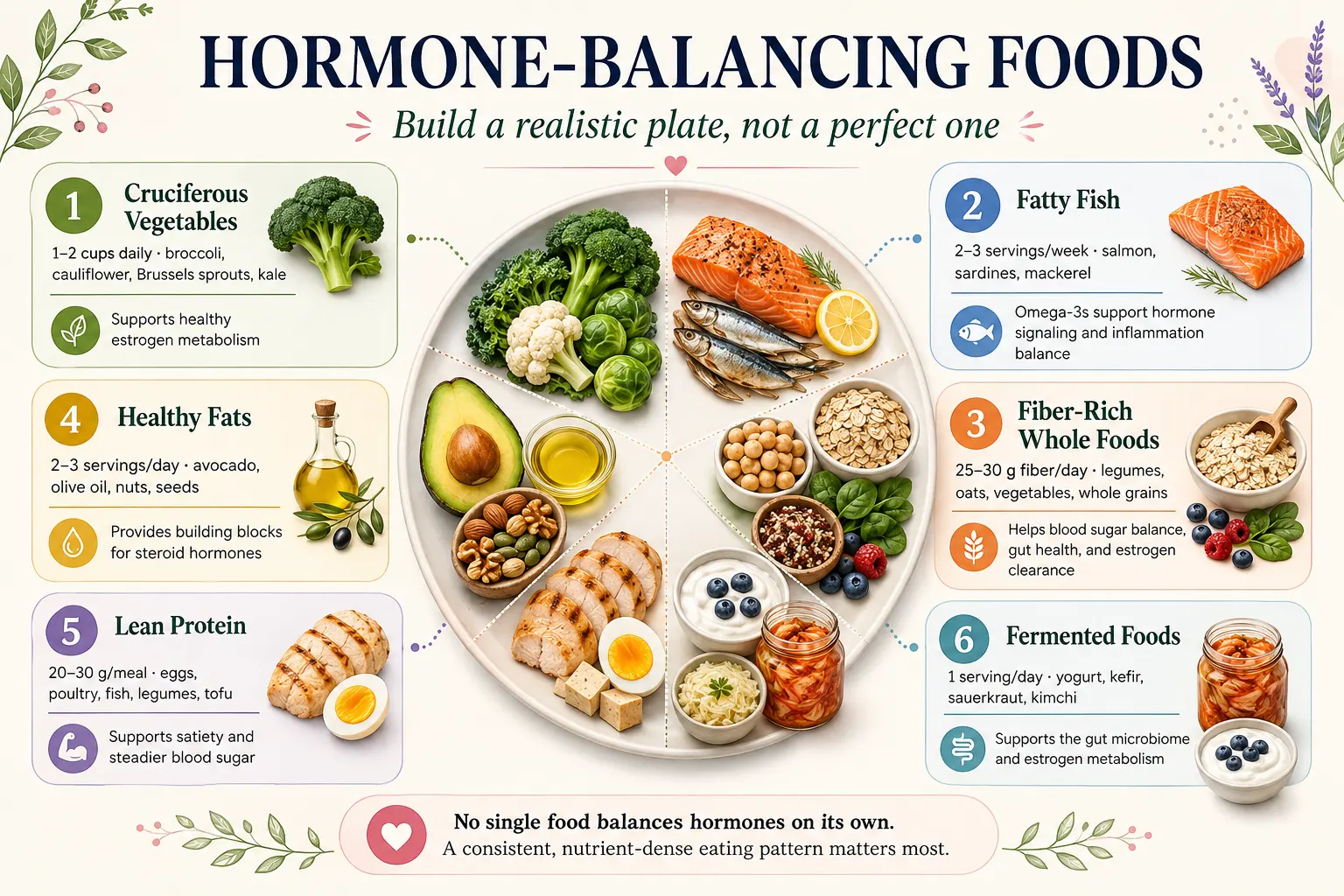
No single food will balance your hormones on its own, but a consistent, nutrient-dense eating pattern genuinely supports hormone production and regulation over time. I tell patients not to chase individual "superfoods." The table below shows not just what to eat, but roughly how much and why each group matters, so you can build a realistic plate instead.
|
Food Group
|
Examples & Daily Amount
|
How It May Help
|
|
Cruciferous vegetables
|
1-2 cups daily: broccoli, cauliflower, Brussels sprouts, kale
|
Contain compounds like indole-3-carbinol that may support healthy estrogen metabolism in the liver
|
|
Fatty fish
|
2-3 servings per week: salmon, sardines, mackerel
|
Omega-3s support cell membrane health, hormone receptor function, and may reduce inflammation
|
|
Fiber-rich whole foods
|
25-30g fiber daily: legumes, oats, vegetables, whole grains
|
Slows glucose absorption, feeds beneficial gut bacteria, and helps carry excess estrogen out of the body
|
|
Healthy fats
|
2-3 servings daily: avocado, olive oil, nuts, seeds
|
Provide the cholesterol-based building blocks your body uses to manufacture steroid hormones like estrogen and progesterone
|
|
Lean protein
|
20-30g per meal: eggs, poultry, fish, legumes, tofu
|
Supports satiety hormones (GLP-1, PYY), stabilizes blood sugar, and slows the insulin spike from any carbohydrates eaten alongside it
|
|
Fermented foods
|
1 serving daily: yogurt, kefir, sauerkraut, kimchi
|
Support gut microbiome diversity, which plays a direct role in how estrogen is metabolized and either cleared or reabsorbed
|
Vitamins and Supplements for Hormonal Imbalance
This is one of the most heavily marketed corners of women's health, and I spend a fair amount of every consultation separating genuine evidence from supplement-aisle promises. Evidence quality varies significantly by ingredient. The table below includes the dose typically studied in research so you have a concrete reference point, but none of these replace a medical work-up if an underlying condition is suspected, and doses should always be confirmed with your own provider.
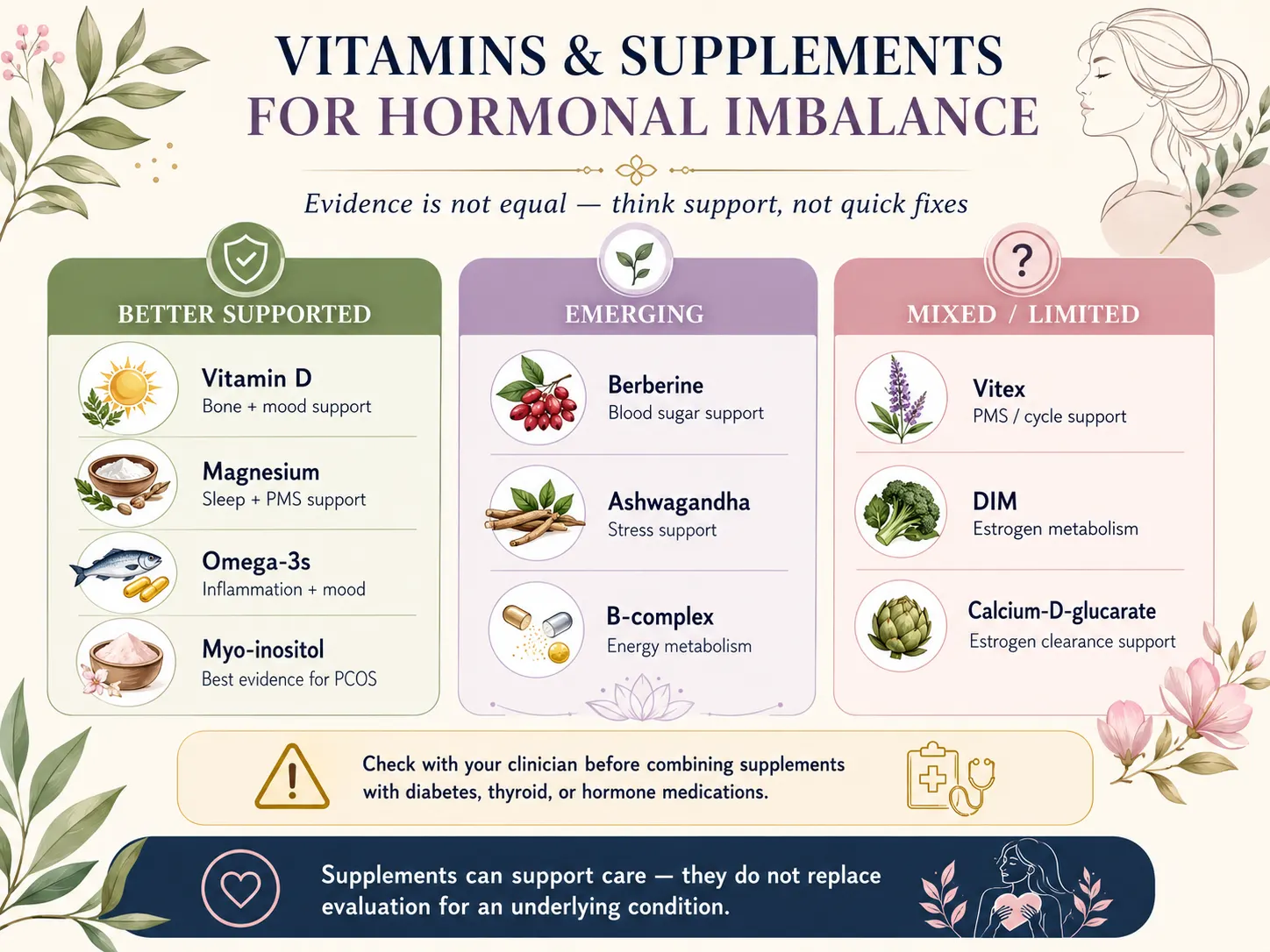
These supplements should not be combined with prescription medications without talking to your doctor first, especially diabetes medications, thyroid medications, or hormonal treatments.
|
Vitamin / Supplement
|
Typical Studied Dose
|
Evidence Level
|
What It May Help With
|
|
Vitamin D
|
1,000-2,000 IU/day (higher if deficient, per lab results)
|
Moderate
|
Deficiency is linked to worse insulin resistance and mood; correcting a true deficiency supports overall hormonal and bone health
|
|
B-complex vitamins
|
Varies by formulation; look for active B12 and folate
|
Moderate
|
Support energy metabolism and may help with mood-related symptoms of hormonal shifts
|
|
Magnesium (glycinate)
|
200-400 mg/day, often at night
|
Moderate
|
May support sleep quality, PMS symptoms, and insulin sensitivity
|
|
Omega-3 fatty acids
|
1-2 g/day combined EPA/DHA
|
Moderate
|
Anti-inflammatory support; some evidence for mood and cycle-related symptoms
|
|
Myo-inositol
|
2-4 g/day, often with D-chiro-inositol in a 40:1 ratio
|
Moderate to good (PCOS)
|
Clinical studies support improved insulin sensitivity and ovulatory function in PCOS
|
|
Berberine
|
500 mg, 2-3 times daily
|
Emerging
|
Some studies show blood-sugar benefits comparable to metformin in PCOS, though evidence as a general hormone supplement is less established
|
| Note: Berberine can lower blood sugar significantly. Do not combine with metformin or other diabetes medications without medical supervision, as this can increase the risk of dangerously low blood sugar. |
|
Ashwagandha
|
300-600 mg/day of standardized root extract
|
Emerging
|
An adaptogen that may help improve perceived stress and support healthier cortisol response in some individuals
|
|
Vitex (chasteberry)
|
20-40 mg/day of standardized extract
|
Mixed
|
Traditionally used for PMS and cycle regularity; results across studies are inconsistent
|
|
DIM (diindolylmethane)
|
100-200 mg/day
|
Limited
|
Marketed for estrogen metabolism support; human evidence is still limited
|
|
Calcium-D-glucarate
|
500-1,000 mg/day
|
Limited
|
Used by some functional medicine practitioners to support estrogen clearance in women with signs of estrogen dominance; human research is still limited
|
|
Note: "Estrogen dominance" is a commonly used functional-medicine concept, not a formal clinical diagnosis with standardized diagnostic criteria.
|
Medical Treatment Options for Hormonal Imbalance
When lifestyle change and supplements aren't enough, or when a specific underlying condition is diagnosed, medical treatment targets the actual cause rather than the symptom alone. I try to explain not just which treatments are used for which condition, but what each one is actually doing, so a prescription feels less like a black box and more like a decision you're part of.
|
Underlying Cause
|
Common Medical Treatment
|
What It Actually Does
|
|
PCOS (PMOS)
|
Combined hormonal birth control, metformin, and anti-androgen medication (such as spironolactone) depending on symptoms and fertility goals
|
Birth control regulates cycles and lowers androgens; metformin and inositol improve insulin sensitivity; spironolactone blocks androgen receptors to reduce acne and hair growth
|
|
Hypothyroidism
|
Levothyroxine (thyroid hormone replacement), typically lifelong with periodic dose adjustment
|
Replaces the thyroid hormone your gland isn't producing enough of, restoring normal metabolic rate
|
|
Hyperthyroidism
|
Antithyroid medication, beta-blockers for symptoms, and in some cases radioactive iodine or surgery
|
Antithyroid drugs reduce hormone production directly; beta-blockers control symptoms like rapid heartbeat while the underlying cause is addressed
|
|
Perimenopause / menopause symptoms
|
Hormone replacement therapy (HRT) or bioidentical hormone therapy (BHRT) when appropriate, alongside non-hormonal options
|
Replaces declining estrogen (and progesterone, if the uterus is present) to relieve hot flashes, sleep disruption, and vaginal/urinary symptoms
|
|
Hot flashes when HRT isn't appropriate
|
Nonhormonal options such as fezolinetant (Veozah), the newer elinzanetant (Lynkuet, FDA-approved October 2025), or low-dose paroxetine (Brisdelle), the only FDA-approved antidepressant specifically for hot flashes
|
Both fezolinetant and elinzanetant block NK3 (and, for elinzanetant, NK1) receptor signaling in the brain's temperature-regulation center, reducing hot flashes without using hormones; paroxetine works differently, by affecting serotonin pathways involved in temperature regulation
|
|
Heavy or irregular bleeding from hormonal cycles
|
Hormonal IUD (the 52 mg levonorgestrel dose, found in Mirena and Liletta specifically, lower-dose IUDs like Kyleena and Skyla are not FDA-approved for heavy bleeding), cyclic progesterone, or combined birth control depending on the cause
|
Thins or stabilizes the uterine lining and regulates the timing of withdrawal bleeding; note that levonorgestrel IUDs are FDA-approved for contraception and heavy bleeding, and used off-label alongside estrogen therapy for uterine protection in some menopause care plans
|
|
Postpartum thyroiditis
|
Monitoring, and thyroid hormone replacement if the underactive phase is significant or prolonged
|
Supports thyroid function through the temporary overactive-then-underactive swing most cases resolve within about 12 months, though some take longer
|
Hormone replacement therapy and its formulations, risks, and candidacy are covered in depth in our companion guide, Menopause Treatment: A Comprehensive Personalized Guide, which walks through the evidence on estrogen, progesterone, routes of delivery, and individualized risk assessment.
|
DR. KASHYAP'S INSIGHT
Hormones matter, but so do inflammation, stress, gut health, sleep, and metabolism. This is the lens I bring to every visit: when a symptom pattern looks “hormonal,” the useful next question isn't just which hormone is off, it's which of these upstream systems is actually driving it.
|
Conventional gynecology is excellent at diagnosing and treating specific hormonal conditions. What it doesn't always have time to do, in a standard visit, is dig into the upstream contributors: gut health, chronic stress load, nutrient status, and metabolic health, that often make one woman's PCOS/PMOS or perimenopause more symptomatic than another's.
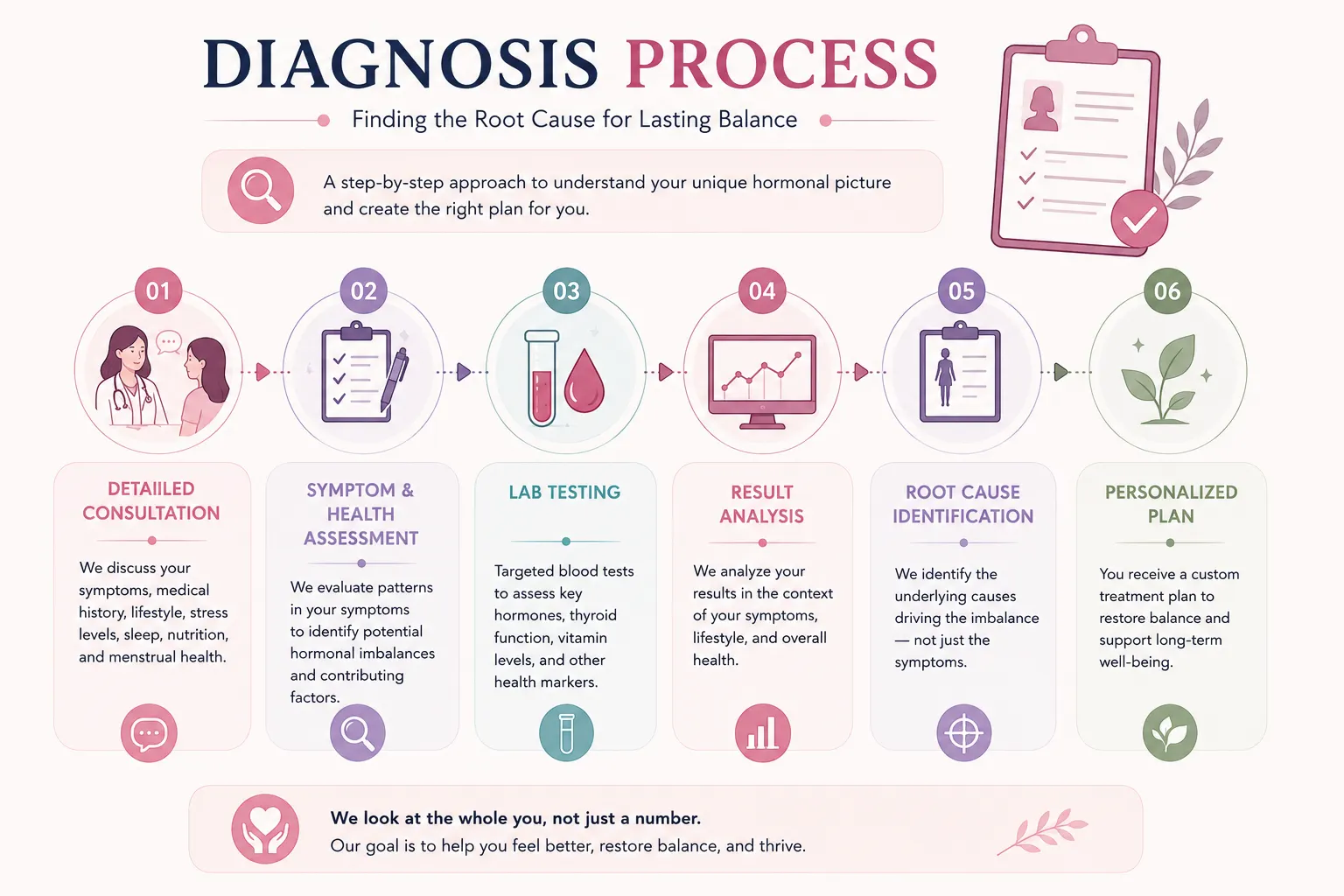
In my own practice, that looks like a defined process rather than a single visit:
Comprehensive initial consultation: A detailed conversation about your symptoms, history, lifestyle, sleep, digestion, hormone patterns, and emotional well-being, before any test gets ordered.
Targeted testing, only if needed: If the basics don't explain your symptoms, we may look closer with detailed hormone panels, including cortisol/adrenal testing, stool testing or microbiome analysis, or a nutritional and metabolic assessment, chosen for your case rather than run as a routine panel.
Personalized care planning: Nutrition and lifestyle changes, supplementation based on actual deficiencies, stress and sleep support, and hormone- or gut-focused strategies, each explained in context so you understand why it's part of your plan.
Ongoing monitoring and adjustment: Hormonal health shifts over time, so the plan gets revisited and adjusted as your body responds, rather than treated as a one-time prescription.
Some women notice changes within a few weeks; others need several months before the improvement feels lasting, depending on how long the underlying imbalance has been building and how many systems are involved.
|
DR. KASHYAP'S INSIGHT
"A lab result that says ‘normal’ doesn’t always mean optimal for you, and a diagnosis doesn’t always explain every symptom you’re having. The most useful question isn’t just ‘which hormone is off,’ it’s ‘what, in this woman’s life and biology, is driving that hormone to be off.’ That’s the question a root-cause approach is built to answer."
|
When to See a Doctor
Lifestyle changes deserve a real trial, but certain symptoms warrant a medical evaluation sooner rather than later:
● Periods that are absent for three or more months (and you're not pregnant), or bleeding that is unusually heavy or frequent
● Symptoms that persist despite several months of consistent diet, sleep, and stress changes
● Signs of thyroid dysfunction: unexplained weight change, rapid or irregular heartbeat, heat or cold intolerance
● Significant hair loss, new or worsening acne, or new excess hair growth on the face or body
● Mood symptoms that are severe, worsening, or affecting your ability to function day to day
● Difficulty conceiving after 12 months of trying (or 6 months if you're over 35)
Conclusion
Hormonal imbalance is not a single diagnosis, and there is no one treatment that works for every woman. Symptoms such as irregular periods, fatigue, weight changes, acne, hair thinning, mood changes, or poor sleep can be linked to very different causes, including PCOS, thyroid disorders, insulin resistance, chronic stress, perimenopause, or menopause.
For some women, improving sleep, nutrition, physical activity, stress management, and metabolic health can make a meaningful difference. Others may need targeted supplements, medication, hormone therapy, or treatment for an underlying condition. The key is to understand what is actually driving your symptoms rather than trying to “balance hormones” with a generic plan.
If your symptoms are persistent, worsening, or affecting your quality of life, a personalized evaluation can help determine whether testing is needed and which treatment options are most appropriate for you.
At Galleria Women’s Health, we take an individualized approach that considers your symptoms, medical history, hormone patterns, metabolic health, lifestyle, and stage of life rather than looking at a lab result in isolation.
Need Help Understanding Your Hormonal Symptoms?
If you are unsure what may be causing your symptoms or what to do next, schedule a consultation with Dr. Deepali Kashyap to discuss your concerns and build a treatment plan tailored to your needs.
|
Key Terms Explained
- Estrogen dominance: Estrogen is high relative to progesterone, even if the estrogen level itself is not unusually high.
- Insulin resistance: Cells respond poorly to insulin, prompting the body to produce more. This may contribute to weight gain and elevated androgen levels.
- Cortisol: The body’s main stress hormone. It also influences blood sugar, inflammation, and the sleep–wake cycle.
- PCOS / PMOS: A hormonal and metabolic condition associated with elevated androgens, irregular ovulation, and often insulin resistance. In May 2026, it was renamed Polyendocrine Metabolic Ovarian Syndrome (PMOS) to better reflect its systemic nature.
- TSH (thyroid-stimulating hormone): A pituitary hormone that signals the thyroid to produce thyroid hormones. It is commonly used as a first-line thyroid test.
- Adaptogen: An herb, such as ashwagandha, studied for its potential to help the body adapt to stress.
- Phytoestrogen: A plant compound found in foods such as soy and flaxseed that can weakly mimic estrogen in the body.
- HRT / BHRT: Hormone replacement therapy and bioidentical hormone replacement therapy, which may be used to manage menopause-related hormonal decline and symptoms.
- Endocrine disruptor: A chemical found in some plastics and personal-care products that may interfere with normal hormone signalling.
References and Further Reading
1. Cleveland Clinic: Hormonal Imbalance — Causes, Symptoms & Treatment: https://my.clevelandclinic.org/health/diseases/22673-hormonal-imbalance
2. Healthline: How to Balance Your Hormones Naturally: https://www.healthline.com/nutrition/balance-hormones
3. ACOG: Polycystic Ovary Syndrome (PCOS) — Frequently Asked Questions: https://www.acog.org/womens-health/faqs/polycystic-ovary-syndrome-pcos
4. Endocrine Society: Polyendocrine Metabolic Ovarian Syndrome — New Name for PCOS (2026): https://www.endocrine.org/news-and-advocacy/news-room/2026/pcos-name-change
5. NICHD / NIH: Polycystic Ovary Syndrome (PCOS): https://www.nichd.nih.gov/health/topics/factsheets/pcos
6. PMC: Study on the Effect of Berberine, Myoinositol, and Metformin in Women with PCOS: https://www.ncbi.nlm.nih.gov/pmc/articles/PMC8890747/
7. Bayer: FDA Approval of Lynkuet (elinzanetant) for Vasomotor Symptoms (October 2025): https://www.bayer.com/en/us/news-stories/lynkuet
8. Dr. Deepali Kashyap: Menopause Treatment — A Comprehensive Personalized Guide: https://galleriawomenshealth.com/blogs/menopause-treatment
9. Dr. Deepali Kashyap: An Expert Guide to 7 Natural Menopause Treatments: https://galleriawomenshealth.com/blogs/7-natural-menopause-treatments
This article is for educational purposes and does not replace individualized medical evaluation, diagnosis, or treatment. Hormonal symptoms should be evaluated by a qualified healthcare professional after reviewing your history, symptoms, and appropriate lab testing. Patient examples are composites, with identifying details changed to protect privacy.

 Meet Your Doctor


 03 Jul, 2026
 10:13 AM
Leave a Comment